



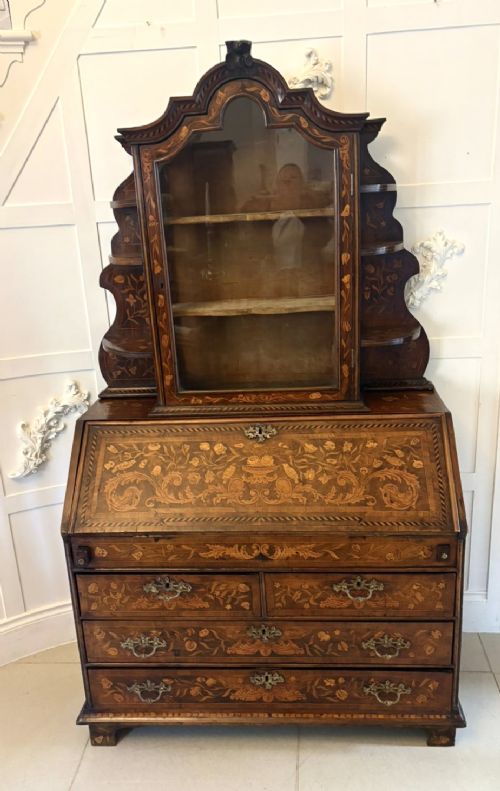
Baroque Walnut Cabinet
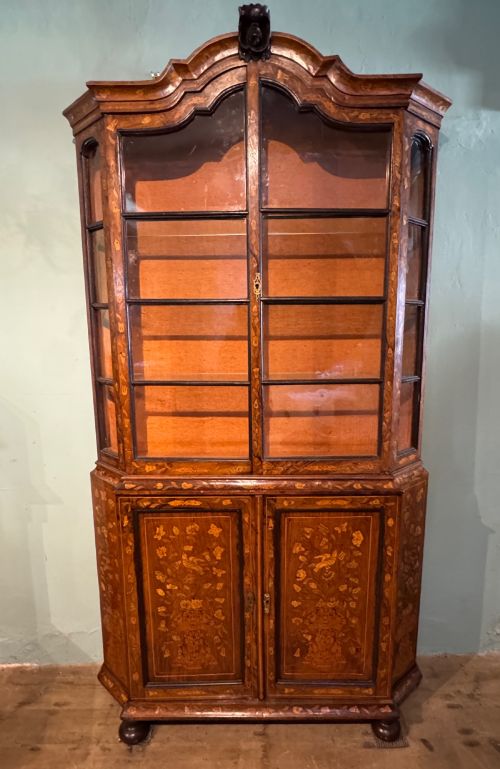
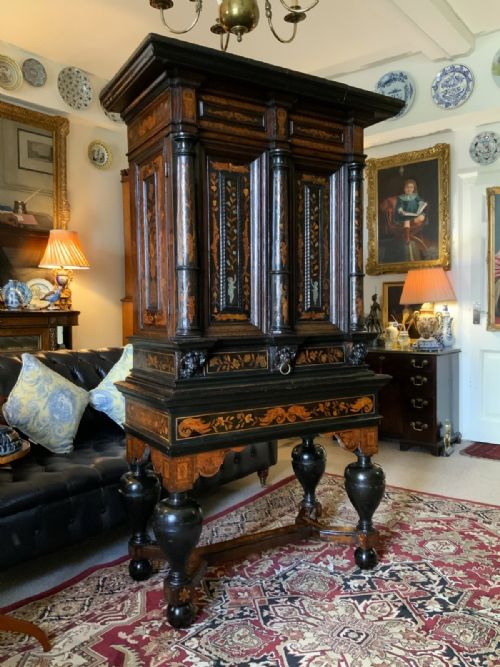
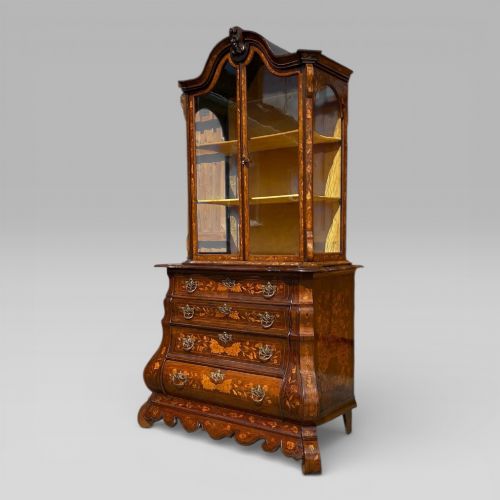
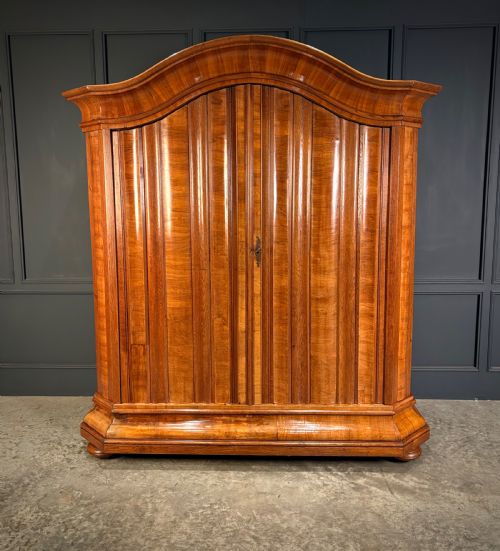
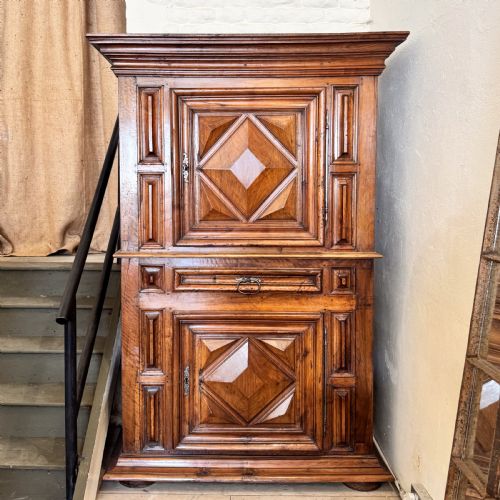
A baroque walnut cabinet brings robust architectural form and intricate floral inlay into a room.
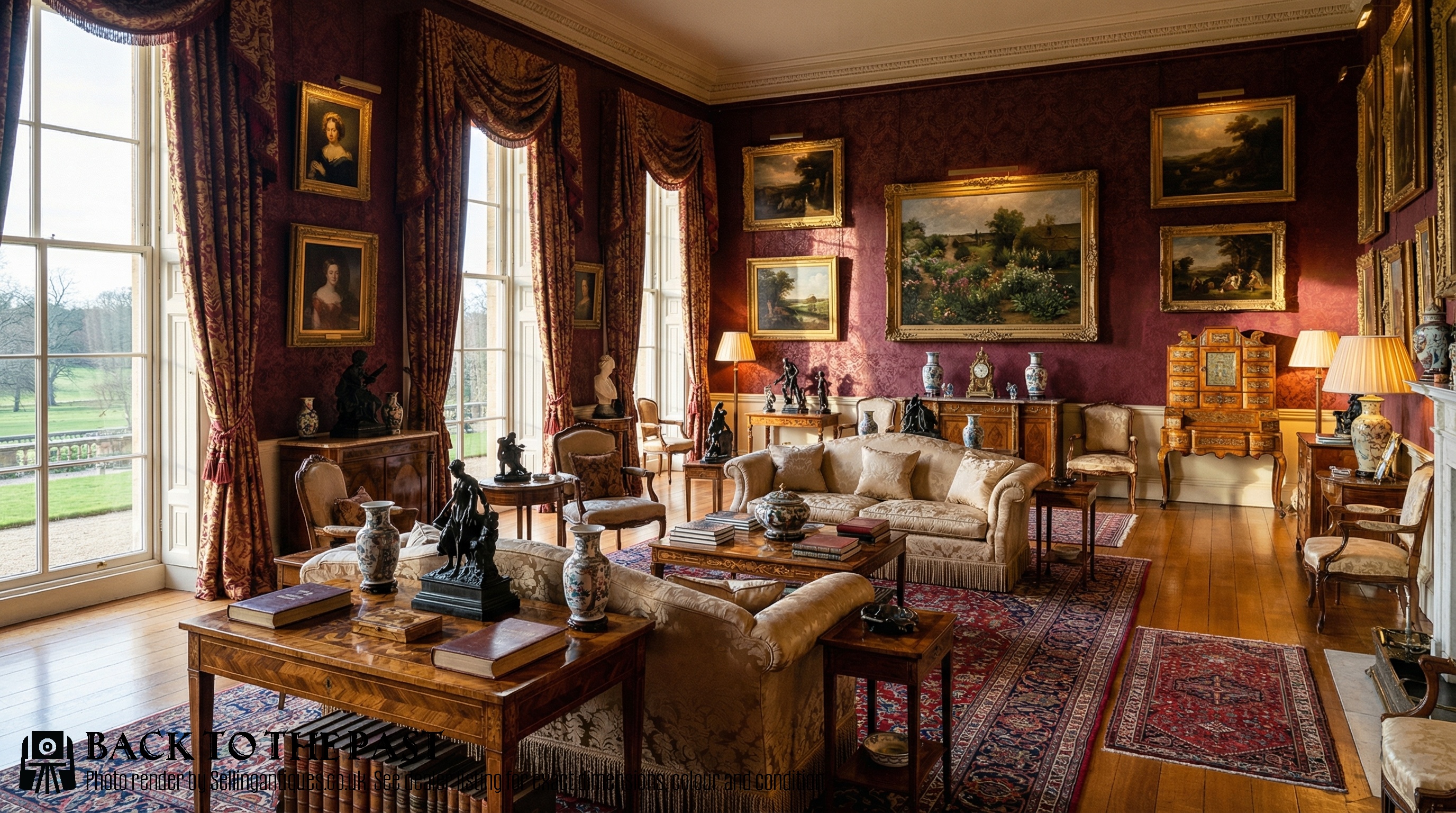
Baroque Walnut Cabinet
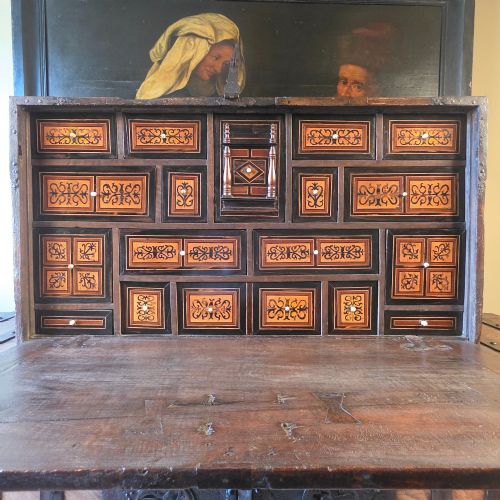
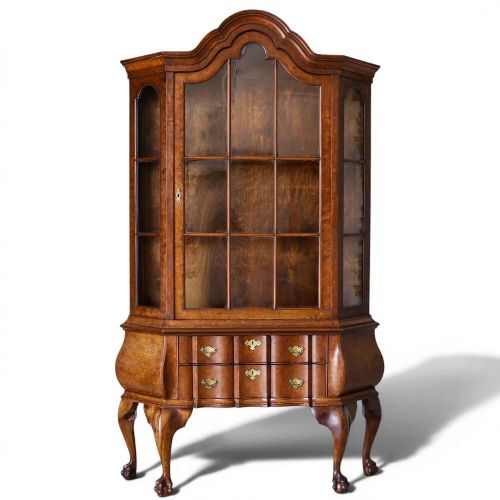
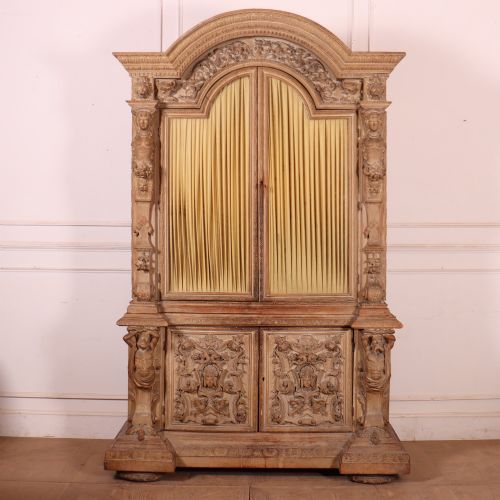
A baroque walnut cabinet represents a substantial storage piece built across continental Europe, with Dutch and Italian origins appearing frequently on this page. These pieces range from towering bureau bookcases and display cabinets to smaller cabinets on stands and tabletop escritoires.
The selection spans centuries of making, including authentic seventeenth and eighteenth-century examples alongside later revival pieces from the early twentieth century. Makers utilised rich timber to construct functional furniture that doubled as a display of wealth through elaborate joinery and decorative surfaces.
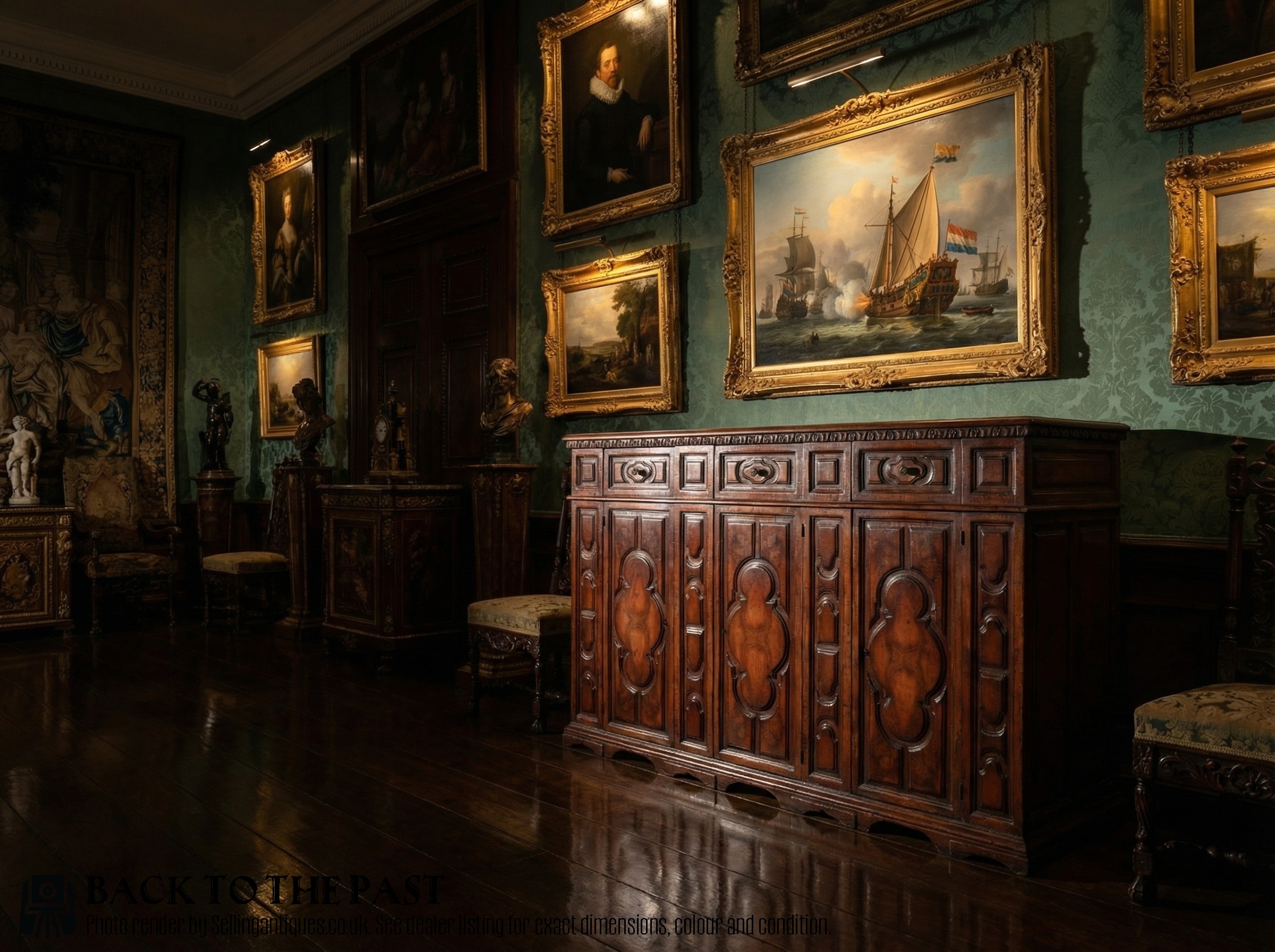
Materials and Construction
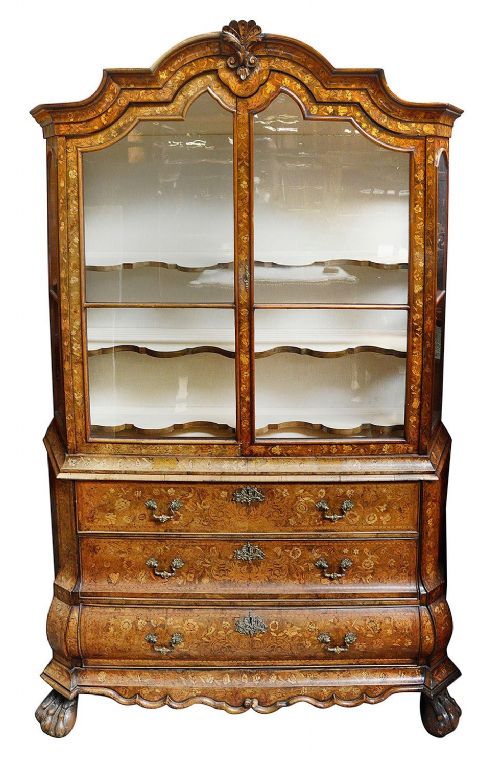
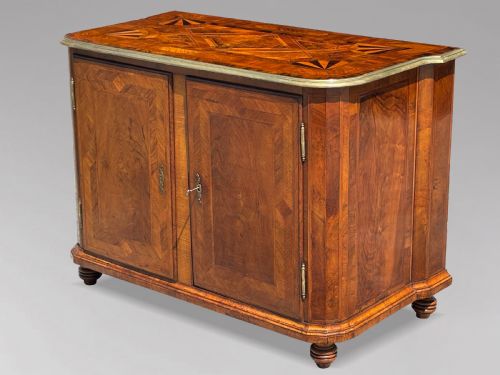
Cabinet makers relied primarily on solid walnut and walnut veneers laid over secondary timbers such as oak, incorporating burr walnut for dramatic grain patterns. Marquetry panels combined fruitwoods with floral inlays, occasionally integrating pewter or brass to enhance the visual depth of the facade.
Structural integrity depended on heavy carcase construction, often elevated on sturdy stands or bun feet to support the dense timber. Glazed upper sections, brass hardware, and intricate iron fittings completed the assembly of these multifaceted storage units.
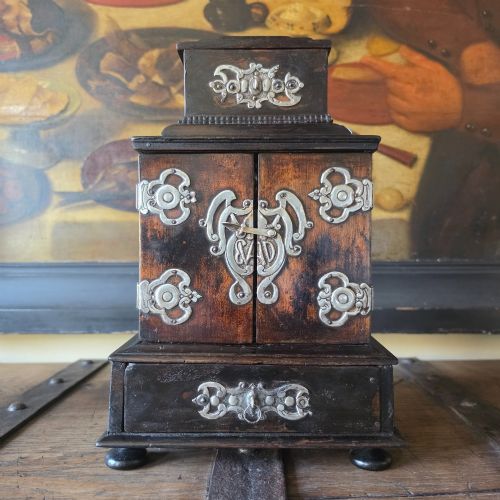
Among the towering armoires and grand secretaries sits a diminutive apprentice miniature cabinet, built to showcase a young woodworker's mastery.
Assessing Quality and Execution
The sophistication of the marquetry and floral inlay largely dictates the merit of a piece, separating simple geometric designs from masterwork compositions involving diverse fruitwoods. Precision in veneer matching, particularly oyster veneer and burr patterns across large surfaces, indicates the skill invested by the original maker.
Proportion and architectural harmony define the finer examples, where cornice mouldings, carved details, and the integration of stands or base chests feel balanced. The crispness of carved elements and the retention of original brass and iron hardware distinguish superior workshop production from standard regional output.
Edwards and Roberts
The Baroque Walnut Cabinet Glossary
- Marquetry
- Decorative veneer work forming pictures or patterns on a wooden surface. Craftsmen cut thin slices of different coloured woods and exotic materials to create floral and geometric designs.
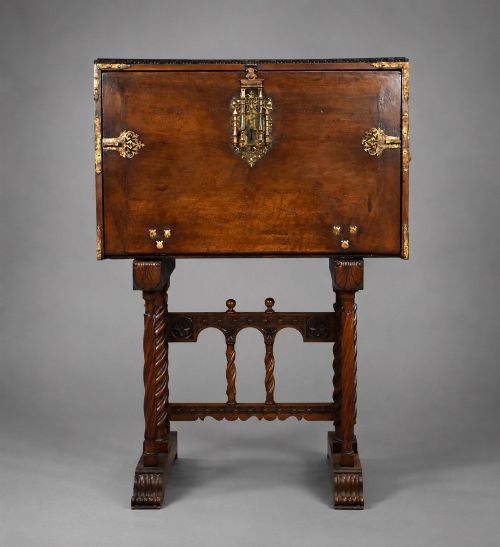
- Bargueño
- A type of Spanish chest or cabinet featuring a drop front that reveals numerous small drawers and compartments. These portable writing and storage desks often rest on decorative wooden stands.
- Bureau Bookcase
- A dual-purpose furniture form comprising a sloping desk compartment below shelving enclosed by doors. The upper glazed cabinet serves to display books or precious objects.
- Oyster Veneer
- Slices cut transversely from small branches or roots to produce circular or oval patterns resembling oyster shells. This technique creates a distinctive repeating texture across drawer fronts and panels.
- Vitrine
- A glass-sided cabinet designed specifically for the display of porcelain, curiosities, and valuable collections. These glazed enclosures protect delicate items from dust while maximising visibility.
Baroque Walnut Cabinet: Frequently Asked Questions
What is a baroque walnut cabinet?
A baroque walnut cabinet is a heavy storage or display piece characterised by dramatic architectural proportions and rich wood grain. These items include bureau bookcases, vitrines, and cabinets on stands originating from seventeenth and eighteenth-century Europe.
Craftsmen utilised walnut and fruitwood veneers to build substantial furniture that served both functional storage needs and decorative display. Their distinctive aesthetic relies on sculptural volume rather than simple flat surfaces.
How do I identify a seventeenth century piece?
Seventeenth-century examples often feature deep mouldings, heavy stands, and early marquetry techniques such as seaweed patterns or pewter inlay. The construction methods reflect hand-cut joinery and dense structural timbers appropriate for the period.
Later revival pieces from the twentieth century frequently imitate these earlier forms but display different timber seasoning and machine-assisted construction details. Examining the interior secondary woods helps confirm the age of the carcase.
Where were these cabinets made?
The evidence on this page shows production centred across various European regions, with Dutch and Italian workshops producing a significant share of the surviving pieces. German, Spanish, and French cabinet makers also contributed distinct regional styles to the tradition.
Dutch pieces frequently showcase intricate floral marquetry and bombé fronts, while Italian examples lean towards carved architectural details and substantial sideboards. Each region adapted the broader baroque vocabulary to local tastes and available materials.
How do I care for antique walnut furniture?
Protect antique walnut from direct sunlight and rapid temperature fluctuations to prevent the delicate veneers from lifting or splitting. Maintaining stable indoor humidity preserves both the timber and the underlying glue joints.
Apply traditional wax sparingly and buff gently with a soft cloth to maintain the natural sheen of the wood. Avoid modern liquid polishes that can penetrate old finishes and attract dust.