


Vintage Italian Cupboard
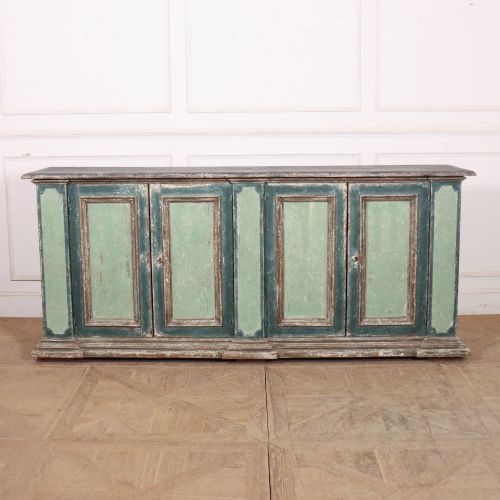
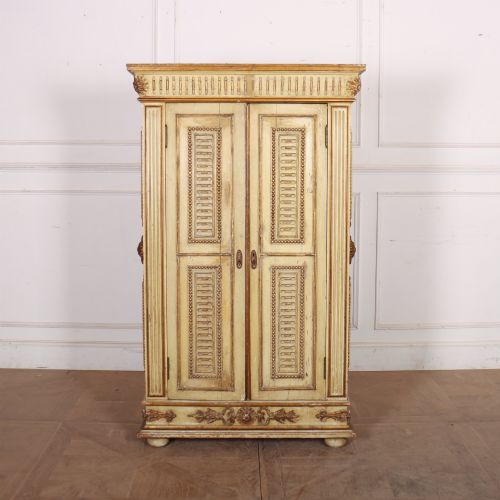
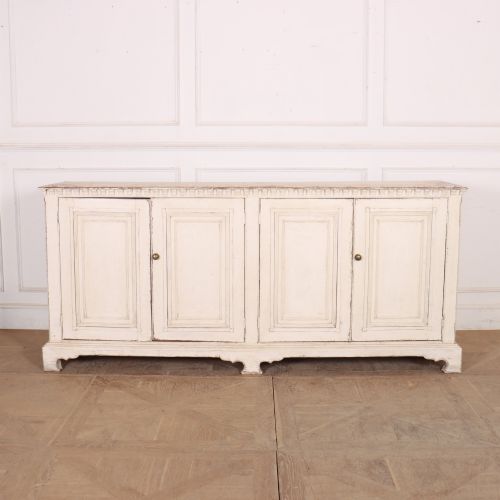
A vintage italian cupboard brings rich regional character and practical storage to a room, ranging from rustic painted finishes to grand walnut forms.
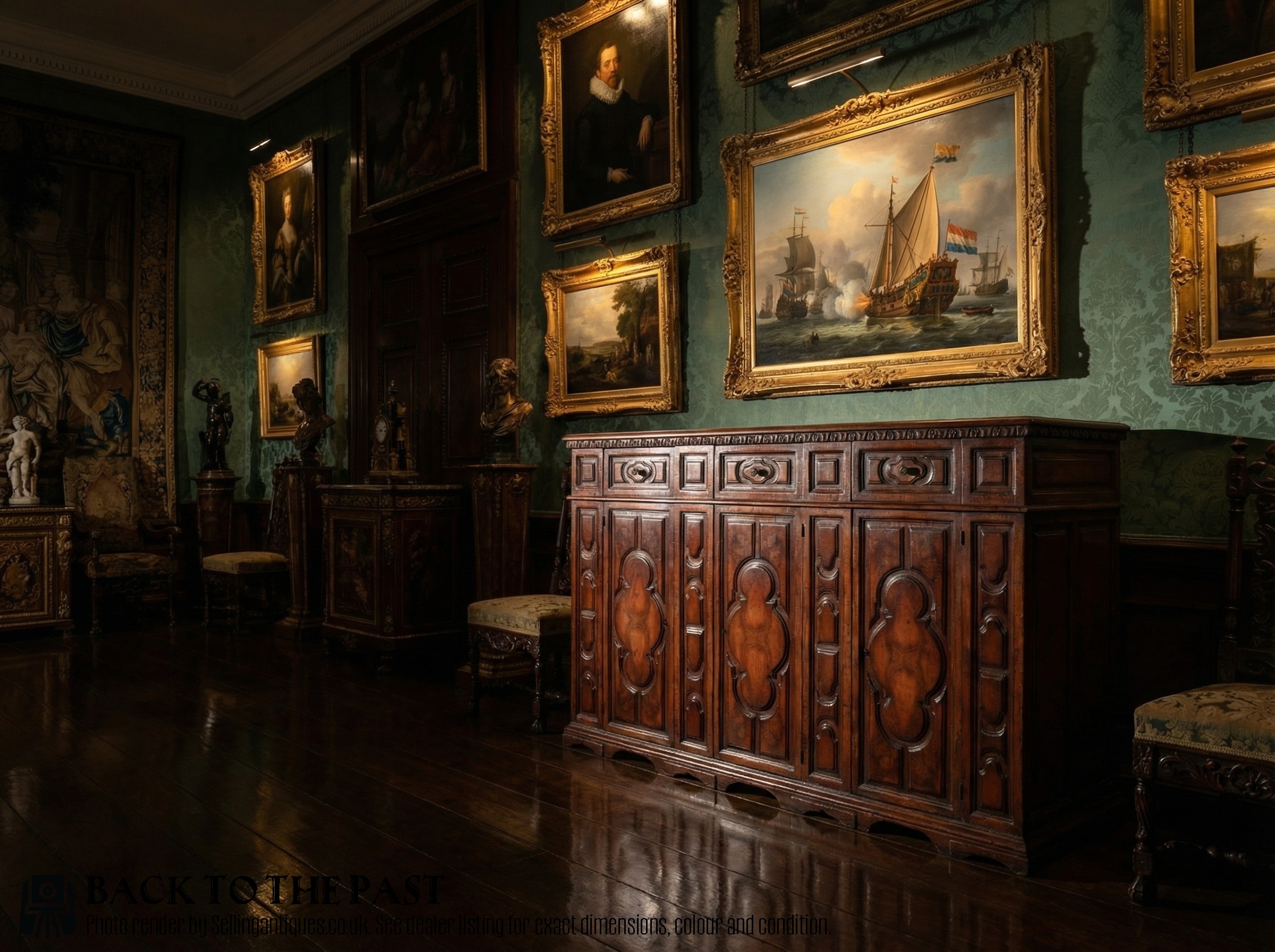
Vintage Italian Cupboard
Regional styles dominate these pieces, reflecting distinct aesthetics such as Italian Rococo, Neoclassical, and provincial country traditions. These diverse forms provide both functional utility and a strong decorative presence suited to contemporary and traditional interiors alike.

Materials and construction
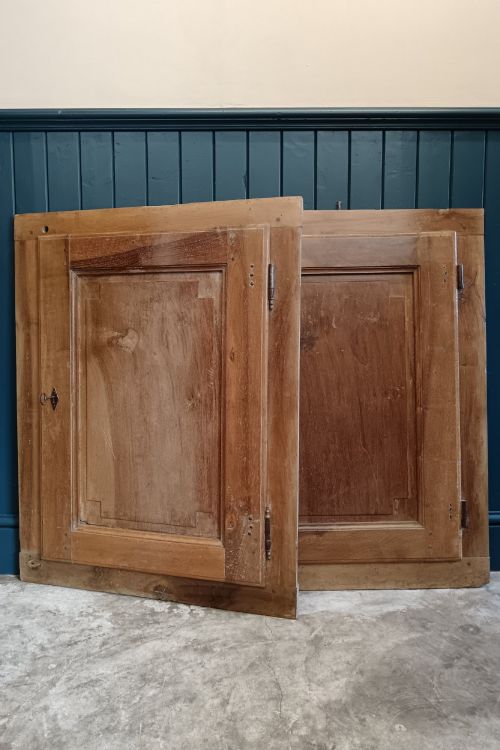
Makers relied heavily on solid walnut and burr walnut, often complemented by secondary woods and marble tops on bedside pieces. Construction methods reflect traditional joinery appropriate to the period, creating robust carcasses designed for daily use.
Surface decoration plays a major role, utilising painted wood, gesso, polychrome pigments, and gold leaf. These decorative layers range from simple regional paint finishes to elaborate giltwood carvings.
Some nineteenth-century Italian cupboards still bear the ghost of ancient wine spills inside their walnut doors.
Assessing quality
Quality rests primarily on the integrity of the timber, the depth of carving, and the preservation of original painted or gilt surfaces. Finer pieces demonstrate superior proportion, balanced hardware in brass or iron, and sophisticated stylistic details.
Regional execution also distinguishes the range, where bespoke provincial interpretations differ significantly from high-style neoclassical or rococo revival workshop output. The harmony between original structure and decorative finish determines the standing of each piece.
The Vintage Italian Cupboard Glossary
- Enfilade
- A long sideboard or cabinet designed for serving food or storing dining items, usually featuring a series of cabinet doors along the front. These large storage pieces often anchor formal dining rooms.
- Gesso
- A plaster-like mixture applied to wood surfaces as a base for painting or gilding. It provides a smooth ground for intricate decorative relief work.
- Polychrome
- Decorated in multiple colours, often found on painted wood furniture of regional Italian origin. This technique brings vibrant life to floral and architectural motifs.
- Commode
- A low chest of drawers or cabinet with doors, originating in France but widely produced across Italy. They often serve as prominent storage units in bedrooms or hallways.
- Credenza
- A sideboard or buffet cabinet historically used for displaying plates and storing food. Italian examples often feature substantial walnut construction and architectural carvings.
Vintage Italian Cupboard: Frequently Asked Questions
Where should I put a vintage Italian cupboard?
These pieces suit living rooms, hallways, and bedrooms depending on their scale. Smaller bedside cabinets fit intimate spaces, while enfilades and credenzas anchor larger walls.
Ensure adequate clearance for doors to open fully, and consider placing them away from direct heat sources to protect the wood and painted finishes.
How do I clean painted and gilt surfaces?
Dust gently with a soft, dry cloth to prevent accumulation of grit. Avoid harsh chemical cleaners, alcohol, or excessive moisture which can strip delicate gesso and gold leaf.
Consult a professional restorer if deeper cleaning or structural stabilization becomes necessary over time.
Are these cupboards suitable for modern daily storage?
Most pieces offer generous internal space suited to modern needs like clothing, tableware, or media equipment. Shelving configurations vary by piece and era.
Check the internal depth and shelf arrangement before purchase to ensure it accommodates your specific storage requirements.
How can I tell the period of a cupboard?
Examine the construction joints, timber choice, and stylistic vocabulary such as Rococo curves or Neoclassical symmetry. Eighteenth-century pieces often show hand-carved details and older joinery techniques.
Compare the hardware, paint ageing, and overall proportions against known regional workshop styles from the listed eras.