

Turned Leg Cabinet
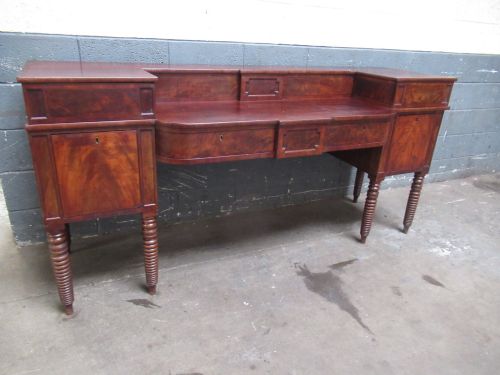
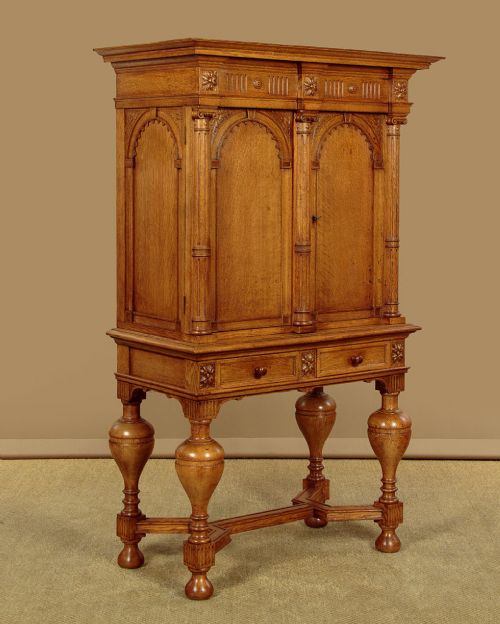
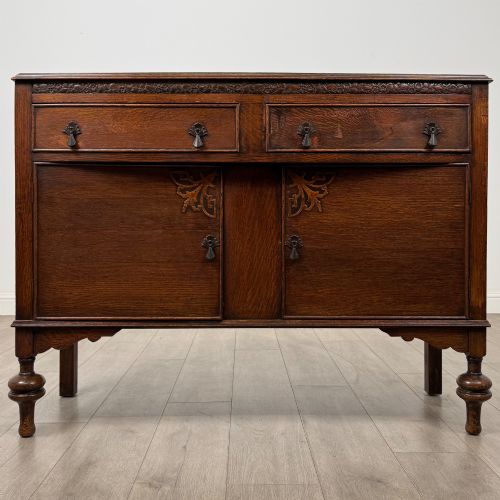
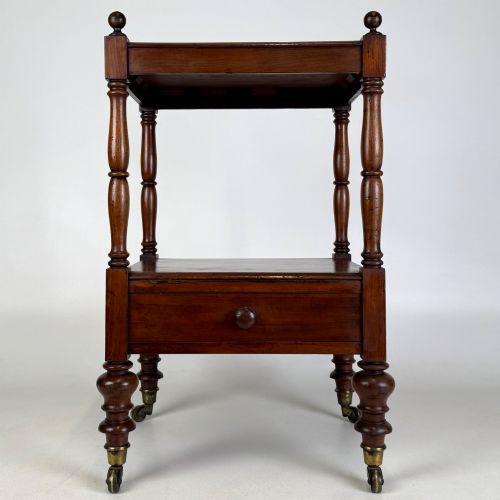
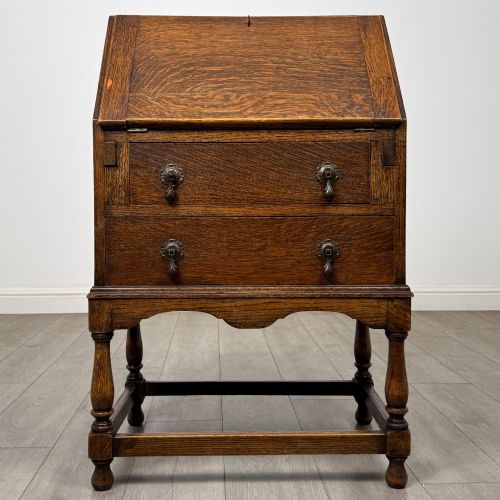
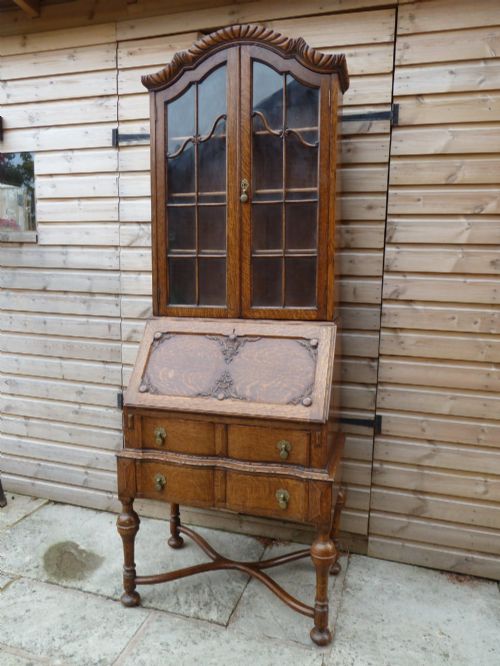
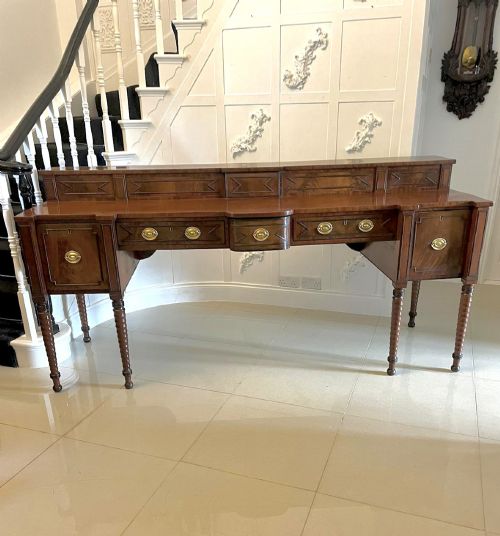
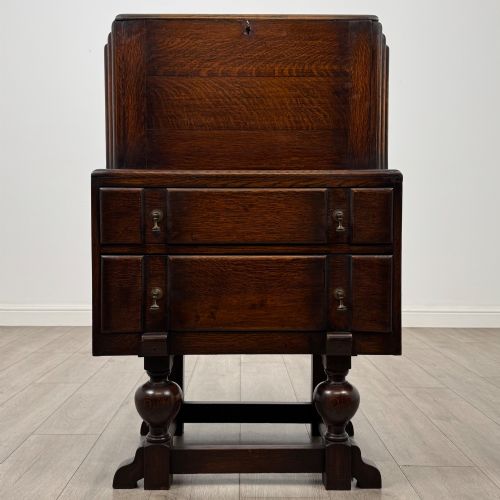
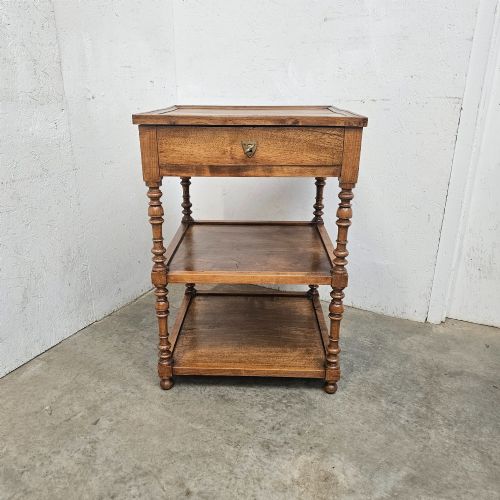
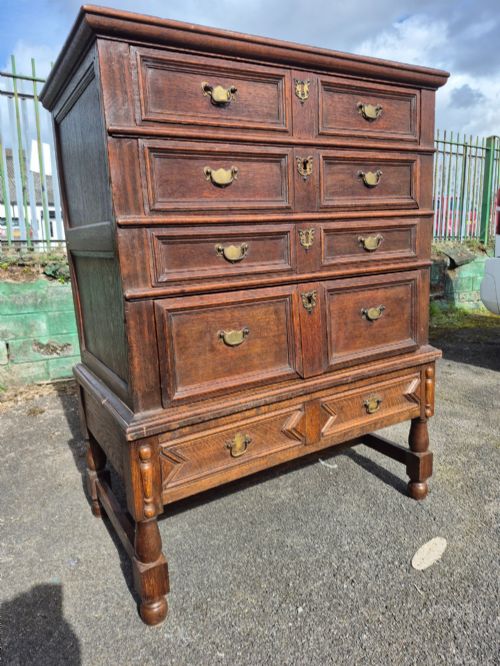
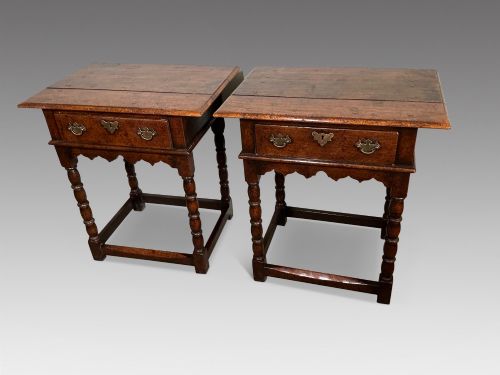
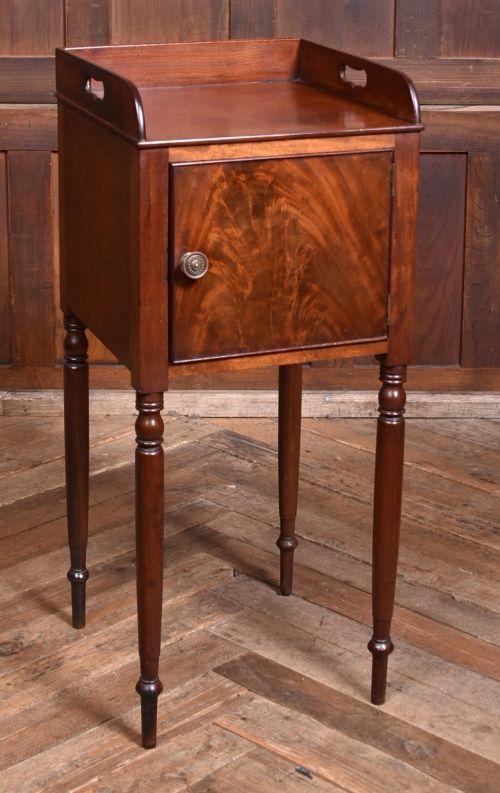
A turned leg cabinet brings tactile warmth to a room through its characteristic spindle-turned or baluster supports beneath storage bodies.
Turned Leg Cabinet
When you search for a turned leg cabinet, you encounter forms that span from the seventeenth century up to the mid twentieth century, encompassing walnut chests on stand, oak side cabinets, and mahogany bedside cupboards.
The objects on this page bridge multiple eras, appearing in seventeenth century walnut, Georgian mahogany, Victorian walnut, and Edwardian oak, alongside French and Dutch regional interpretations.
The structural format pairs enclosed cupboard storage or drawer banks with raised columnar or spindle supports, often manifesting as cabinets on stand, sideboards, or pot cupboards.
How they were made
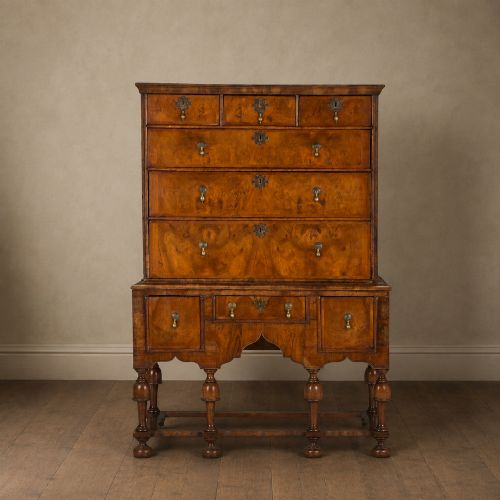
Joiners and cabinet makers constructed these pieces primarily using solid timbers such as oak, walnut, and mahogany, frequently applying veneers including flame mahogany, kingwood parquetry, and laburnum oyster work.
Detailing often incorporated brass hardware, boxwood stringing, and marquetry or seaweed marquetry inlay, supported by lathe-turned legs that elevate the main body of the furniture.
Listings span from the seventeenth century to the mid twentieth century, utilising materials including brass, mahogany, oak, walnut, boxwood, glass, and Hessian.
What varies in quality
The distinction between tiers rests upon the choice of timber and the precision of the turning work, where finely figured veneers and crisply carved or shaped structural elements elevate an example.
Proportion and the integrity of period elements, such as original brass mounts and untouched timber surfaces, determine the standing of an individual piece within its respective century.
Morison and Co·J A Mein·Robert Strahan
The Turned Leg Cabinet Glossary
- Cabinet on stand
- A cabinet or chest mounted upon an elevated frame with legs. This form showcases raised storage units dating from the seventeenth and eighteenth centuries.
- Pot cupboard
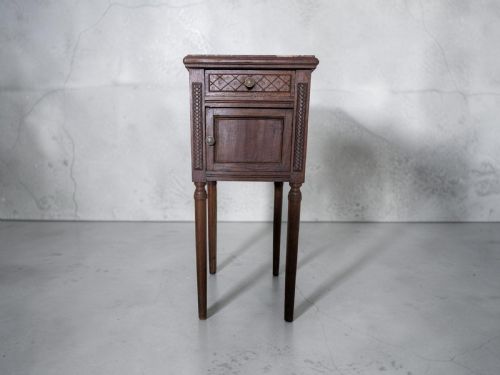
- A small bedside cabinet designed originally to house a chamber pot. These compact units frequently feature enclosed doors and a single drawer.
- Cellarette
- A fitted cabinet intended for holding bottles of wine or spirits. Georgian examples often incorporate internal dividers and brass carrying handles.
- Marquetry
- Decorative veneer work forming pictorial or geometric patterns using various coloured woods. Craftsmen cut contrasting timbers like boxwood and walnut to create intricate surface designs.
- Oyster veneer
- Cross-section slices of branch wood arranged to resemble oyster shells. This technique appears on seventeenth and early twentieth century English and continental furniture.
Turned Leg Cabinet: Frequently Asked Questions
What is a turned leg cabinet used for?
These pieces serve as versatile storage furniture, functioning as bedside tables, sideboards, or compact display surfaces depending on the scale of the base cabinet.
Their raised profiles allow them to fit into hallways, living rooms, and bedrooms while providing concealed storage behind doors or within drawers.
How do I identify a 17th century cabinet?
Seventeenth century examples typically feature heavy oak or walnut construction, often utilising the cabinet on stand format with geometric mouldings and robust turned supports.
Surface decoration from this period frequently includes marquetry, oyster veneers, or panelled doors rather than the lighter satinwood inlays seen in later eras.
What is the difference between a pot cupboard and a bedside cabinet?
A pot cupboard specifically refers to a nineteenth century bedside storage piece historically designed to contain a chamber pot behind its primary door.
While both terms describe small bedside storage units, general bedside cabinets may simply offer open shelves or standard drawer configurations without the specific internal space of a pot cupboard.
Are these cabinets suitable for modern homes?
Their compact footprints and varied historical styles allow these cabinets to integrate readily into contemporary interiors as bedside tables or accent pieces.
The warmth of woods like mahogany, oak, and walnut adds natural texture alongside practical enclosed storage space for everyday items.