





Seventeenth Century Walnut Furniture
Seventeenth century walnut furniture brings dark, figured timbers and rich surface patination to an interior, built to last through centuries of daily use.
Seventeenth Century Walnut Furniture
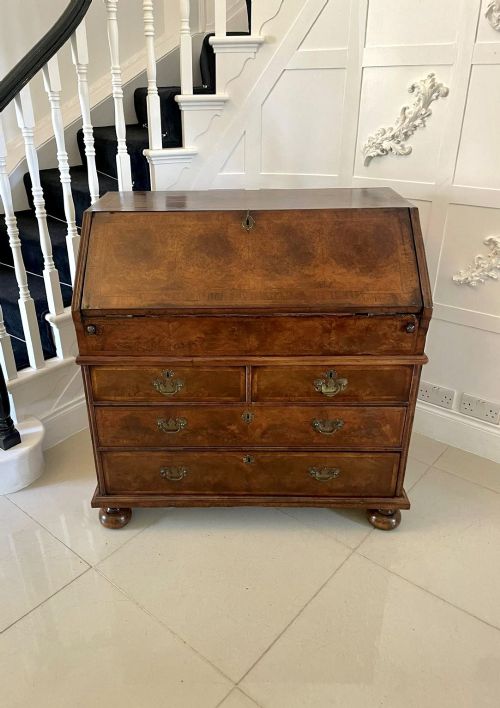
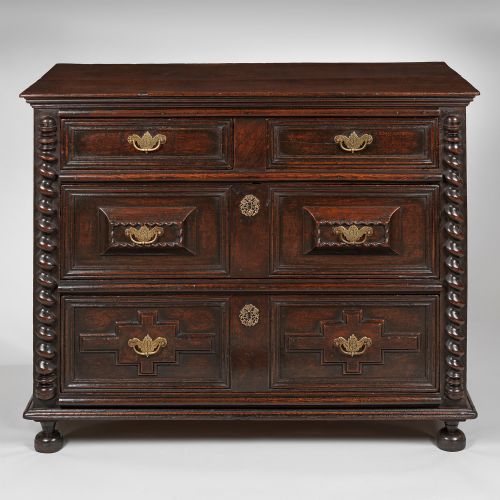
Seventeenth century walnut furniture comprises heavy case pieces and seating designed with deep colour and striking grain patterns. Buyers seeking seventeenth century walnut furniture will encounter robust chests of drawers, cabinets on stands, and armchairs.
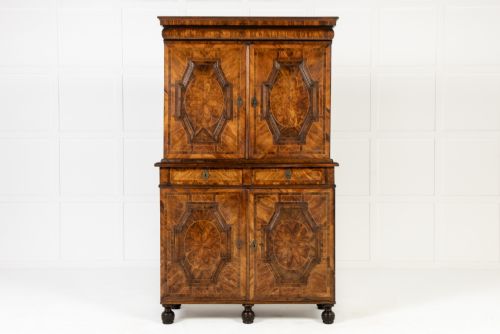
The selection ranges from vernacular walnut and oak combinations to elaborate Baroque forms enriched with marquetry and parquetry. Most pieces display the dark, warm tones characteristic of early timber subjected to generations of wax polishing.
Regional variations appear clearly across the selection, moving from English William and Mary and Charles II designs to Dutch, French, Italian, and Spanish interpretations. Each origin brings distinct decorative vocabularies, from seaweed marquetry to bold baroque carving.
How they were made
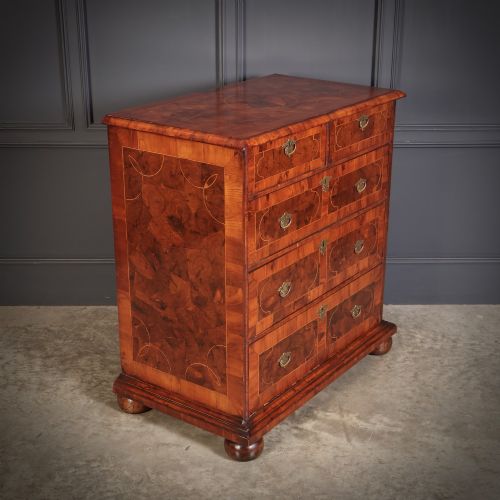
Carpenters utilised solid walnut, oak, and olive wood for structural framing, applying thin veneers cut from branch junctions and burrs to create dramatic patterning on drawer fronts and cabinet doors. Secondary woods like oak provide stable internal carcassing for heavy case furniture.
Decorative surfaces frequently incorporate intricate inlay work using boxwood, pewter, and gold leaf, alongside parcel-gilt highlights. Joinery relies on pegged mortise and tenon joints, dovetails, and hand-cut veneers fixed with early animal glues.
Seventeenth Century Walnut Furniture Retail Price Guide 2026
Typical asking prices for seventeenth century walnut furniture among the pieces listed under this phrase on Sellingantiques today, from the lower quarter to the upper quarter. They describe what is for sale here now, not the wider market.
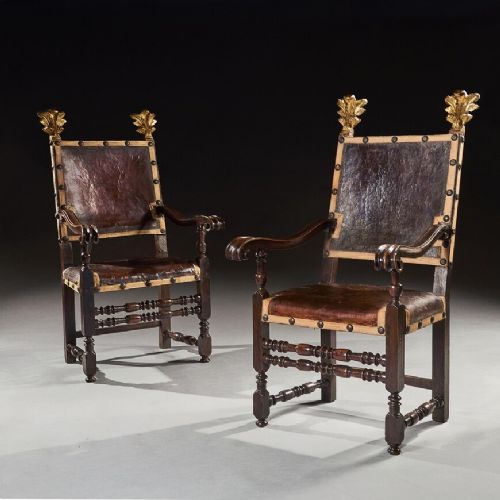
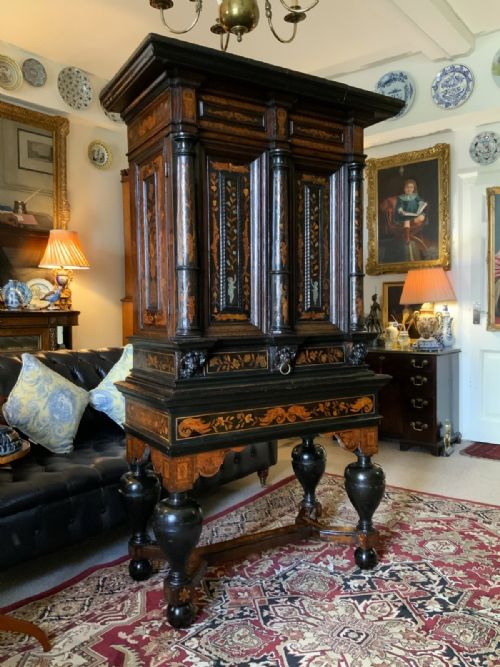
Selected pieces demonstrate regional styles spanning William and Mary, Dutch Baroque, Italian Baroque, and Spanish Renaissance.
What varies in quality
The hierarchy of quality rests primarily on the integrity of the timber surfaces and the complexity of the decorative scheme. Elaborate seaweed marquetry, oyster veneering, and pewter inlay demand exceptional technical skill, marking out finer examples from simpler provincial work.
Original hardware, including brass drop handles, escutcheons, and wrought iron mounts, elevates a piece significantly. The survival of untouched surface patination and minimal timber replacement distinguishes the most accomplished survivals from heavily restored items.
The Seventeenth Century Walnut Furniture Glossary
- Oyster veneer
- Circular slices cut transversely from small branches or roots, arranged to create repetitive, undulating patterns resembling oyster shells. This technique flourished during the late seventeenth century on cabinets and drawer fronts.
- Marquetry
- Elaborate decorative patterns formed by fitting together thin veneers of different woods, metals, or organic materials. Artisans used this technique to ornament prominent surfaces on cabinets and stands.
- Vargueno
- A traditional Spanish cabinet featuring a drop-front lid that conceals a complex arrangement of small drawers and compartments. These pieces typically rest upon a dedicated support stand.
- Gateleg table
- A drop-leaf table featuring hinged legs that swing outward to support the raised leaves. This form provided flexible surface space in seventeenth-century domestic interiors.
- Parcel-gilt
- A decorative finish where selected carved details or mouldings receive a thin coating of gold leaf while the surrounding timber remains visible. This treatment highlights specific architectural elements on Baroque seating and frames.
Seventeenth Century Walnut Furniture: Frequently Asked Questions
How do I care for walnut furniture?
Keep these pieces away from direct heat sources and strong sunlight to prevent the timber and veneer from drying out or splitting. Regular applications of traditional beeswax nourish the wood and maintain a protective surface sheen.
Avoid using modern silicone polishes, as they penetrate open grain and build up a cloudy residue over time. Gentle dusting with a dry, soft cloth is sufficient for routine maintenance.
Where were these pieces used?
Grand townhouses and country estates utilised heavy cabinets, desks, and chests of drawers to store valuable textiles, documents, and domestic silver. Reception rooms and formal chambers housed display cabinets on stands and upholstered armchairs to demonstrate status.
Smaller tables and functional seating moved freely around domestic spaces according to daily requirements. Walnut furniture served both practical storage needs and decorative display functions within elite households.
How do I spot later additions?
Examine the construction methods and timber ageing beneath secondary surfaces to identify replaced elements or later adaptations. Hand-cut dovetails, traditional adhesives, and genuine wear patterns help differentiate original components from subsequent repairs.
Hardware placement often leaves distinct shadow marks on the timber if handles or hinges have been relocated. Consistency in wood species across internal and external panels indicates unified manufacture.
What defines the Baroque style?
Baroque design emphasises grand scale, dynamic movement, and rich surface ornamentation intended to evoke drama and awe. Makers achieved this through bold carving, contrasting inlays, and architectural proportions influenced by continental European courts.
Italian, Dutch, and French interpretations introduced varied motifs, including parcel-gilt highlights, seaweed marquetry, and figural walnut framing. This aesthetic dominated elite furniture production through much of the seventeenth century.