




Baroque Style Seating
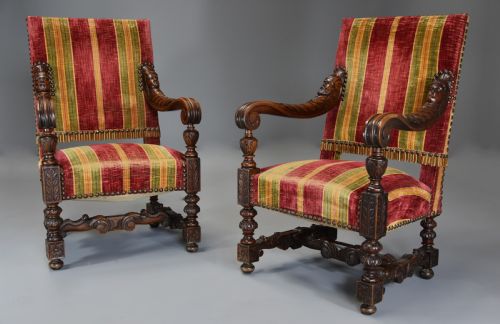
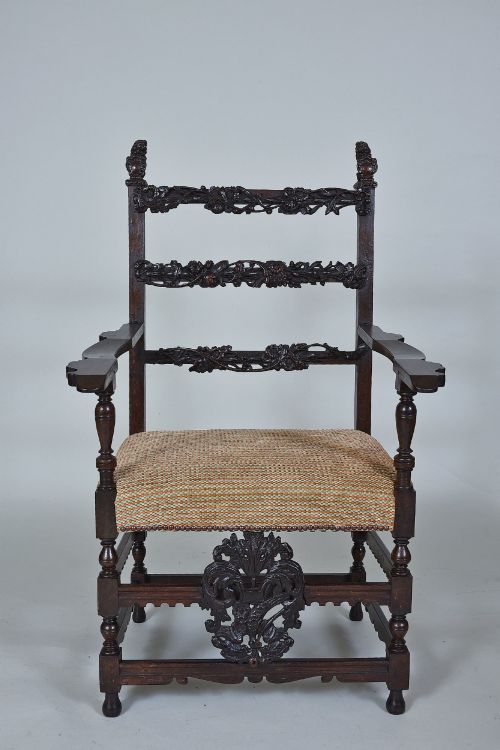
These baroque style seating pieces combine centuries of heavy carving and grand upholstery to anchor a room.
Baroque Style Seating
Baroque style seating encompasses imposing chairs, benches, stools, and sofas designed to project grandeur and presence. Buyers seeking baroque style seating will frequently encounter nineteenth-century revival interpretations alongside genuine seventeenth- and eighteenth-century examples.
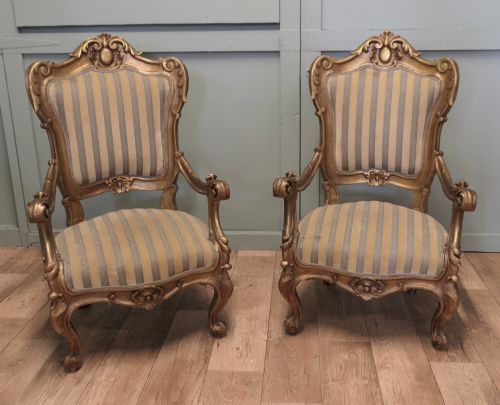
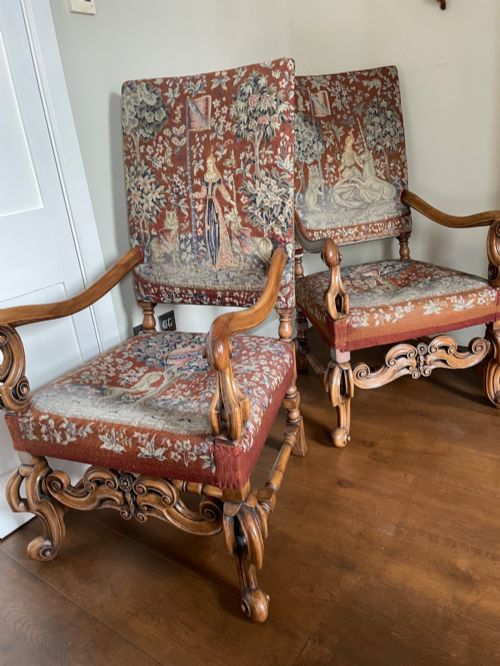
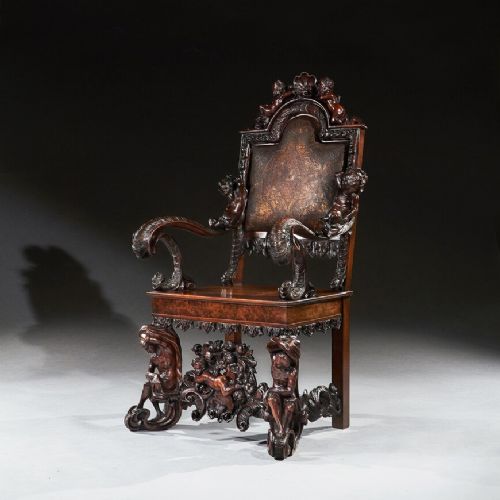
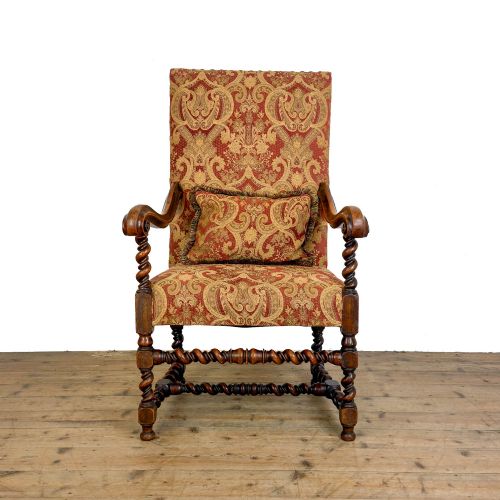
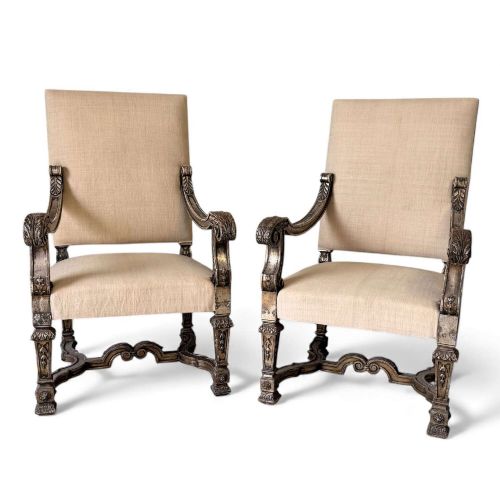
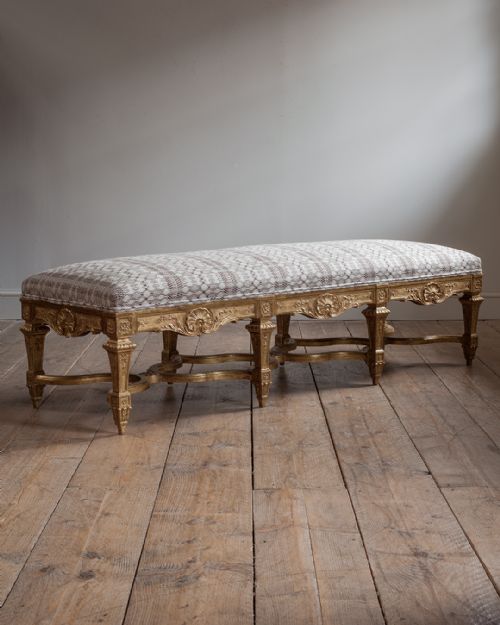
The selection ranges from tall throne armchairs and heavy walnut elbow chairs to giltwood stools and elaborate dining sets. Continental origins dominate, with Italian, French, and Dutch workshops heavily represented across the inventory.
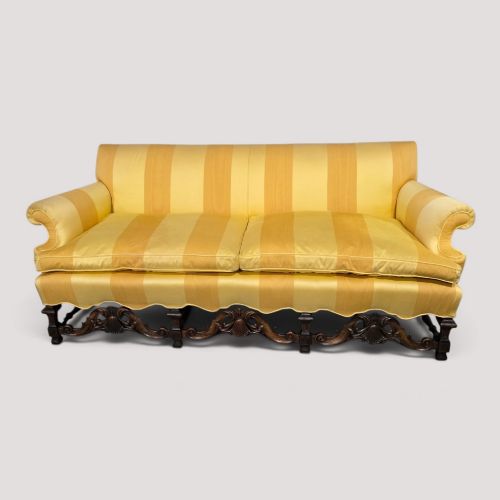
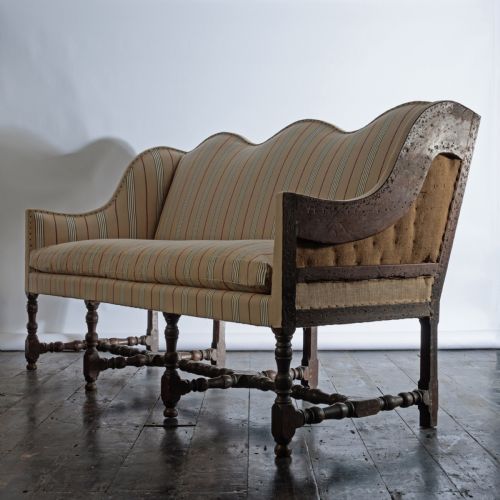
Forms span from wingback sofas and hall chairs to sculptural high-back armchairs and Savonarola chairs. These pieces serve as focal points in interiors, offering substantial woodwork and upholstered seats.
Assessing quality and execution
Quality separates pieces by the depth and sharpness of the woodwork carving, particularly in revival items where crisp execution marks superior workshops. Exhibition-grade pieces display complex sculptural details and refined joinery that simpler regional items lack.
The choice of material heavily influences value, with solid giltwood and figured walnut commanding greater presence than standard timber. Original upholstery retention or sympathetic period-appropriate fabric replacement also dictates the desirability of a chair or sofa.
Baroque Style Seating Retail Price Guide 2026
Typical asking prices for baroque style seating among the pieces listed under this phrase on Sellingantiques today, from the lower quarter to the upper quarter. They describe what is for sale here now, not the wider market.
Several armchairs are stout enough to intimidate casual guests yet welcoming enough to host an afternoon nap.
Andrea Brustolon
The Baroque Style Seating Glossary
- Giltwood
- Wood coated with gold leaf or gilt paint to create a brilliant, reflective surface. This finish frequently highlights ornate carved details on formal nineteenth-century frames.
- Elbow chair
- An armchair featuring substantial armrests designed to support the user's arms. These items provide a sturdy, functional seat alongside decorative carving.
- Savonarola chair
- A folding chair constructed from multiple intersecting wooden slats forming a basket-like base. This historic form appears in nineteenth-century interpretations within the collection.
- Bobbin turned
- A method of woodturning that produces a series of rounded, spherical shapes resembling bobbins along a chair leg or stretcher. This technique appears on specific nineteenth-century open armchairs.
- Wingback sofa
- A large seating form featuring protective wings attached to the backrest to block drafts. Seventeenth-century examples provide substantial upholstered seating capacity.
Baroque Style Seating: Frequently Asked Questions
How do I identify baroque style seating?
Look for heavy, dramatic carving, elaborate scrollwork, and grand proportions that define the aesthetic. Walnut and giltwood frames often feature heavily in these designs.
Revival pieces from the nineteenth century frequently copy the exuberant forms of the seventeenth and eighteenth centuries. Check the joinery and timber wear to understand the age of the piece.
Are these chairs comfortable for daily use?
Many of these chairs prioritize formal presence and upright posture over modern lounging comfort. Deep upholstery and supportive armrests vary significantly by the specific form.
Dining chairs and hall chairs offer firm, upright seating, while armchairs and sofas provide more substantial padded surfaces. Consider the cushion fill and seat height for your intended daily use.
Can I reupholster a historic armchair?
Reupholstering historic frames is common practice to preserve the functionality of antique seating. Many pieces in the inventory arrive already reupholstered in period-appropriate fabrics.
Consult a professional restorer to ensure the underlying webbing and springs receive proper care during updates. Preserving the original tack holes and frame structure protects the integrity of the piece.
How do I date a nineteenth-century revival chair?
Examine the tool marks, timber shrinkage, and fastener types hidden beneath the frame or upholstery. Nineteenth-century makers often utilised machine-sawn components alongside hand-carved details.
Stylistic cues also help, as revival pieces frequently exaggerate seventeenth-century motifs with exceptional depth and theatricality. Comparing the carving crispness to known exhibition pieces aids in dating.