


Brown Walnut Carver
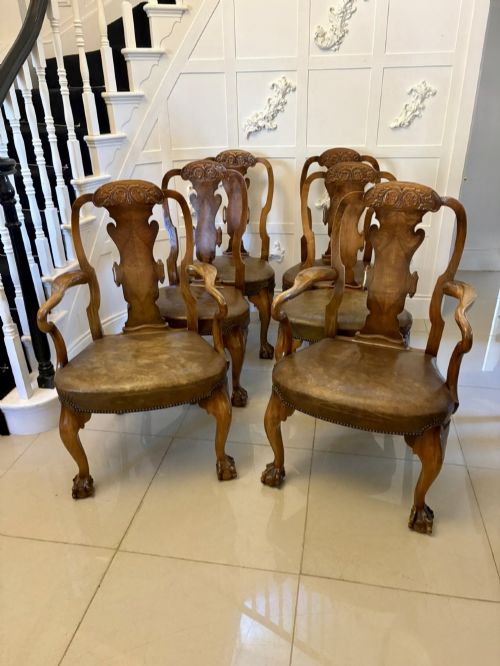
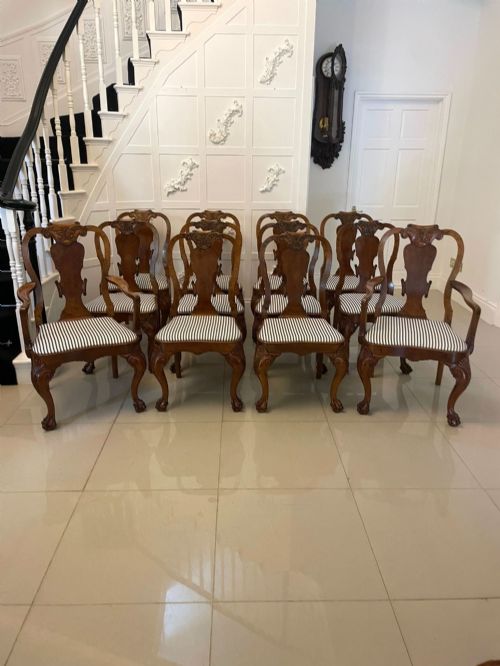
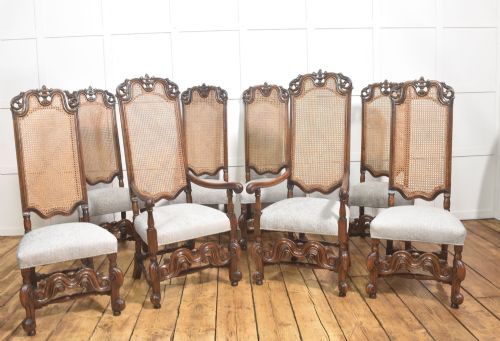
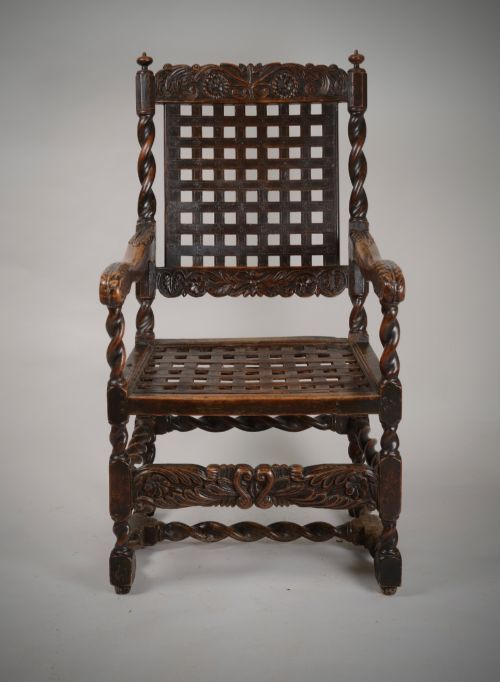
These brown walnut carver chairs bring rich timber tones and substantial seating to a room, offering historic character alongside sturdy everyday construction.
Brown Walnut Carver
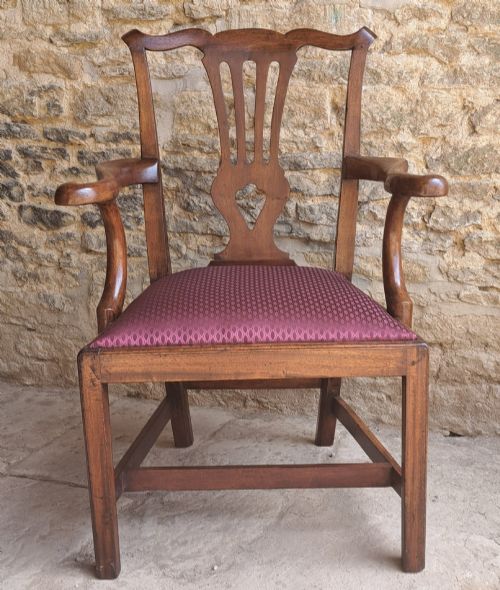
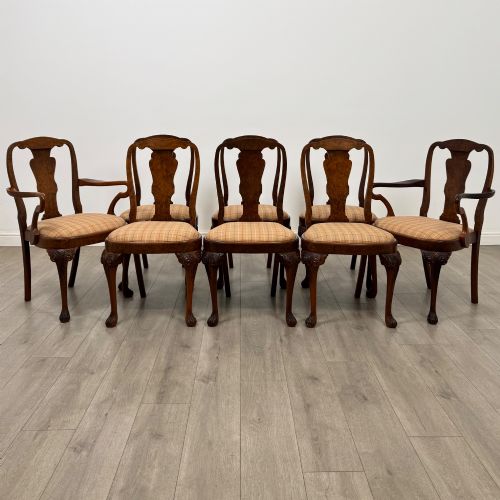
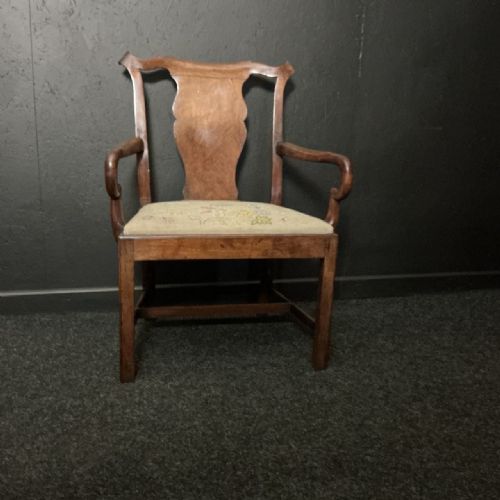
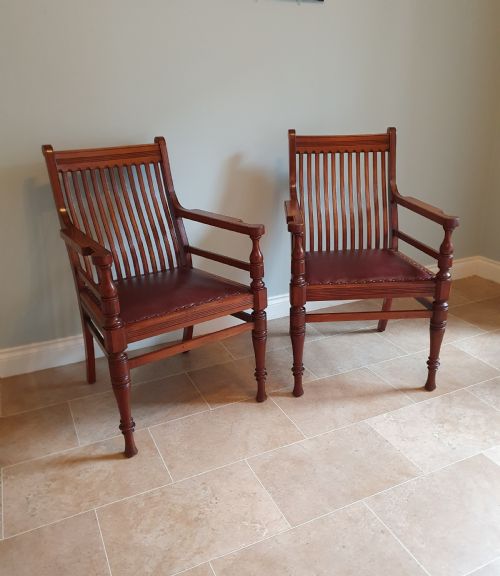
A brown walnut carver chair functions as an armchair, elbow chair or dining seat, designed with integrated armrests for added comfort. When searching for a brown walnut carver, a buyer encounters everything from single library armchairs to matched sets of dining chairs spanning multiple centuries.
The selections on this page draw from periods ranging from the seventeenth century through to the 1930s. Victorian pieces, Edwardian examples and revival styles such as Queen Anne and George II dominate the available forms.
Makers and workshops including Shoolbred, Spillman & Co and Howard & Son appear among the larger dining sets and office desk armchairs. Alongside standard seating, the listings occasionally include related walnut items such as wall brackets, candlesticks and sculptures.
What varies in quality
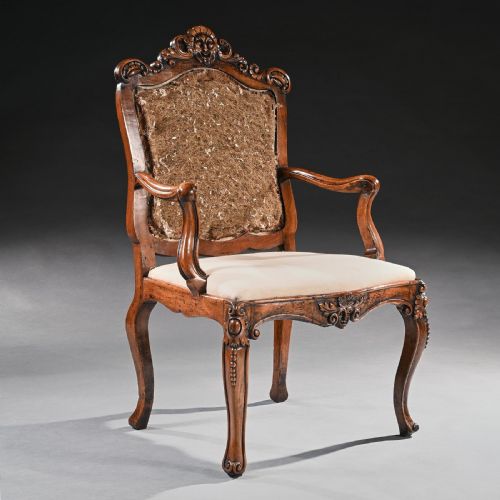
The depth of carving on the head rail, arm supports and splats separates standard seating from exceptional examples. Chairs attributed to known makers or master carvers display sharper detail and superior timber selection.
The integrity of the walnut grain and the preservation of original or period surfaces dictate the standing of a piece. Matched sets maintaining uniform colour and consistent timber figuring across all chairs command greater appreciation than assembled groups.
Master carver Luigi Frullini's winged griffins and devil motifs demonstrate that nineteenth-century seating could double as whimsical sculptural art.
Luigi Frullini·Shoolbred·Spillman & Co·Howard & Son
The Brown Walnut Carver Glossary
- Carver
- An armchair, typically designed with arms to match a set of dining chairs without arms. These chairs served as principal seats at a dining table or desk.
- Burr walnut
- A prized veneer taken from the growth excrescences of walnut trees, yielding intricate, swirling grain patterns. Cabinet makers applied these decorative veneers to prominent surfaces such as back splats and chair backs.
- Splati
- The vertical central strip of wood within a chair back. Elaborate versions feature vase shapes, carved ornamentation or painted decoration.
- High-back
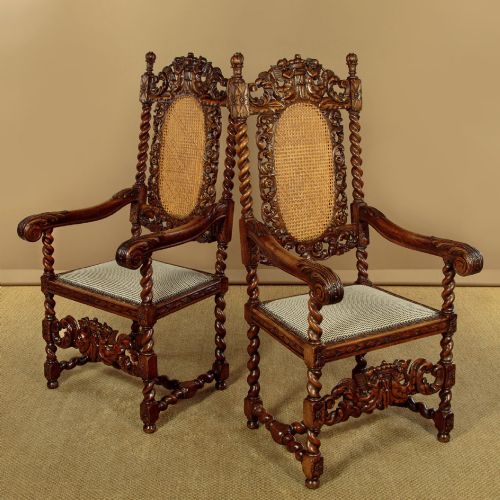
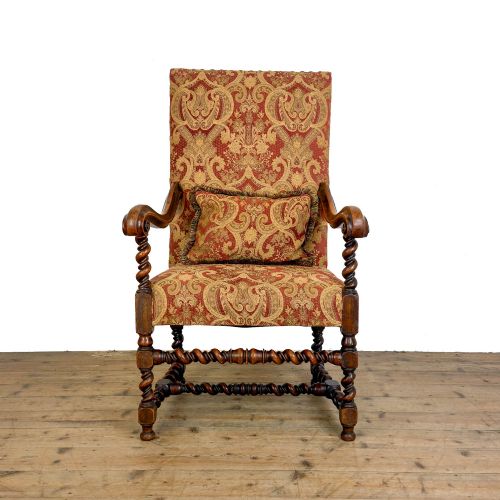
- A chair style characterised by an elongated backrest, frequently seen in pieces influenced by seventeenth and early eighteenth-century designs. These backs often incorporate cane panels or upholstered inserts.
- Marquetry
- The art of applying decorative veneer pieces in wood to form intricate patterns. Dutch examples frequently employ this technique on walnut chair frames.
Brown Walnut Carver: Frequently Asked Questions
What is a brown walnut carver used for?
These armchairs served multiple domestic functions, from head-of-the-table dining seating to library and morning room chairs. Their sturdy wooden frames and supportive armrests made them suitable for everyday sitting.
Today, buyers place them at executive desks, in reading corners, or around dining tables as feature seats. They bring both functional seating and rich timber decoration to interior spaces.
How do I identify a Queen Anne style chair?
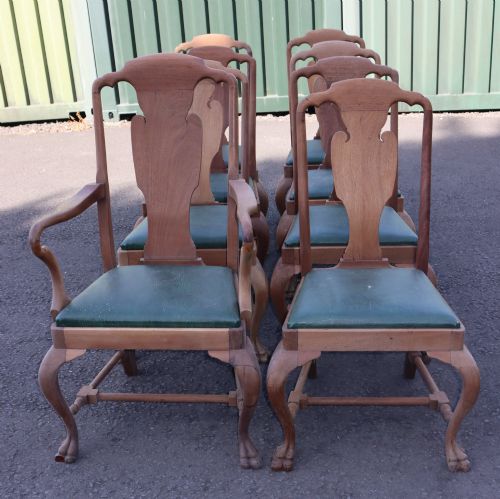
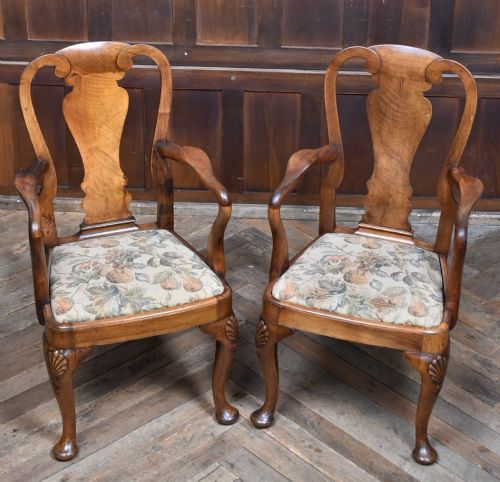
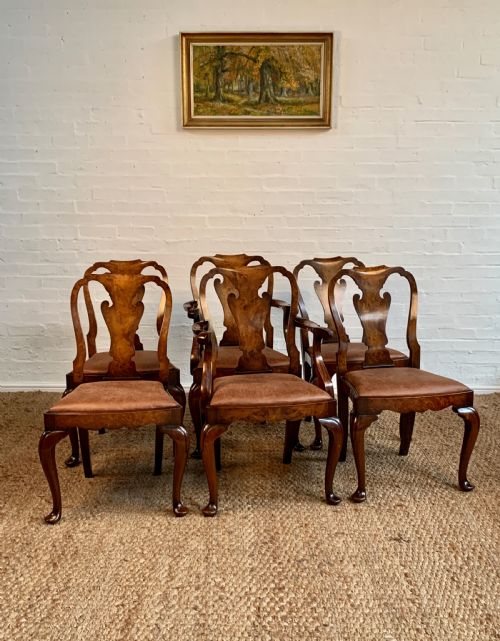
Queen Anne style chairs typically feature spooned backs, vase-shaped central splats, and cabriole legs ending in pad or Dutch feet. The overall silhouette prioritises curved lines over straight geometry.
Twentieth-century revivals often replicate these eighteenth-century traits closely, utilising walnut timber and decorative carved details on the crest rails.
Are these chairs newly upholstered?
Some listings feature chairs that have been recently re-upholstered in contemporary fabrics, while others retain older coverings or require new upholstery altogether. Review individual descriptions to determine the current state of the seat coverings.
Buyers planning a restoration often select pieces sold specifically for re-upholstery, allowing them to choose fabrics that match their existing interiors.
How can I tell the difference between Victorian and 18th-century pieces?
Eighteenth-century chairs display the construction methods, wear patterns, and timber characteristics typical of the Georgian and earlier periods. Their proportions and joinery reflect the hand tools and workshop practices of the time.
Victorian and later revival pieces often emulate these earlier epochs but exhibit nineteenth or twentieth-century manufacturing signatures, standardisation in sets, and specific Victorian decorative motifs.