
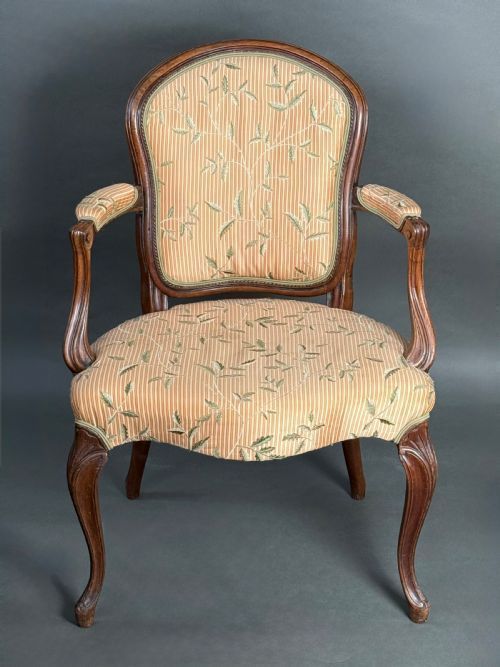
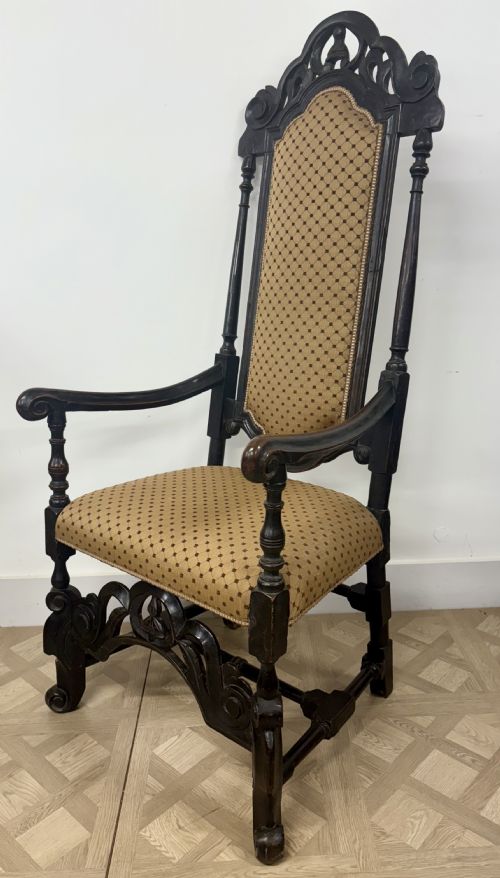
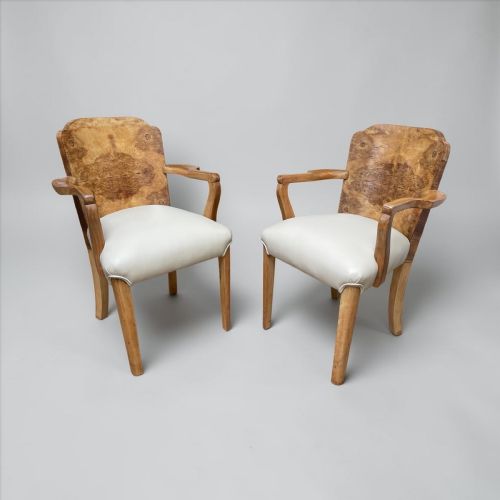
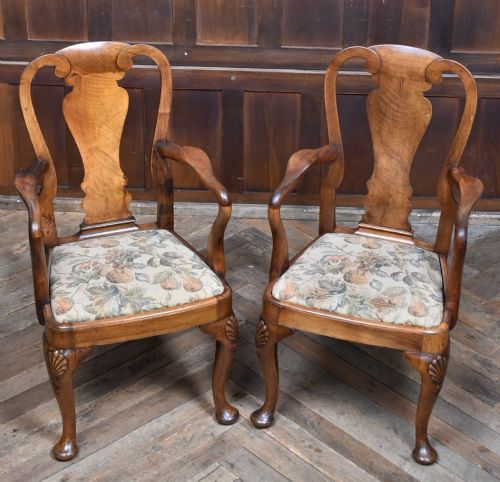


Walnut Elbow Chair
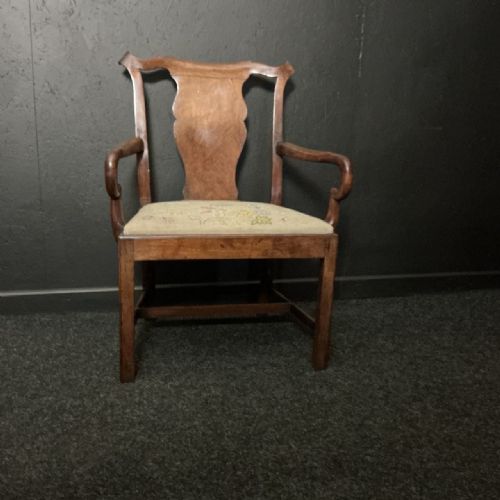
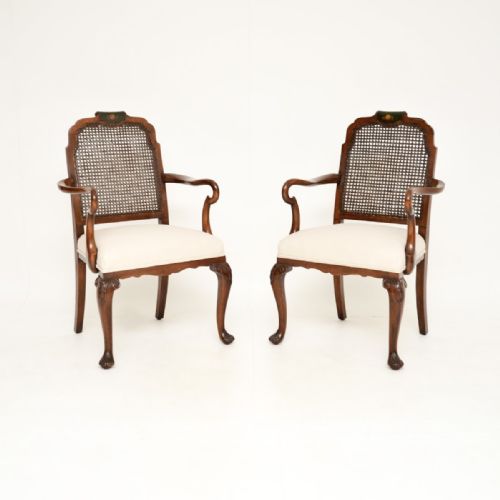
When you search for a walnut elbow chair, you seek a seating form crafted from rich timber with armrests, spanning periods from the seventeenth century to the twentieth.
Walnut Elbow Chair
A walnut elbow chair is an armchair featuring wooden armrests, designed for libraries, studies, and drawing rooms across multiple centuries. The phrase encompasses formal seating from the seventeenth century through to Edwardian and later revivals.
You are most likely to encounter eighteenth-century examples alongside nineteenth-century Victorian pieces and twentieth-century revival styles. These seats appear in various forms, including study chairs, library armchairs, and occasional seating.
Origins span English, French, Italian, and Dutch workshops, reflecting diverse regional interpretations of classic furniture designs. Pieces range from high-back seventeenth-century frames to low-slung nineteenth-century spoon-back models.
How they were made
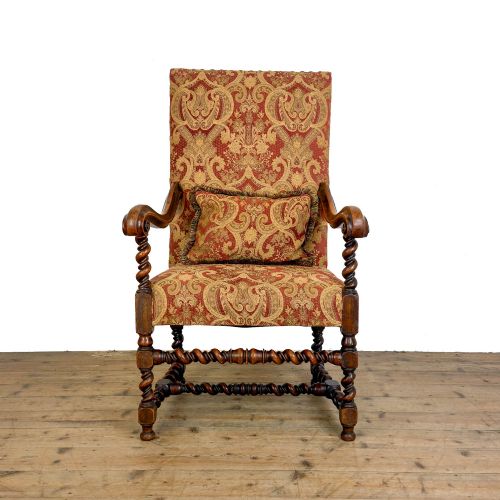
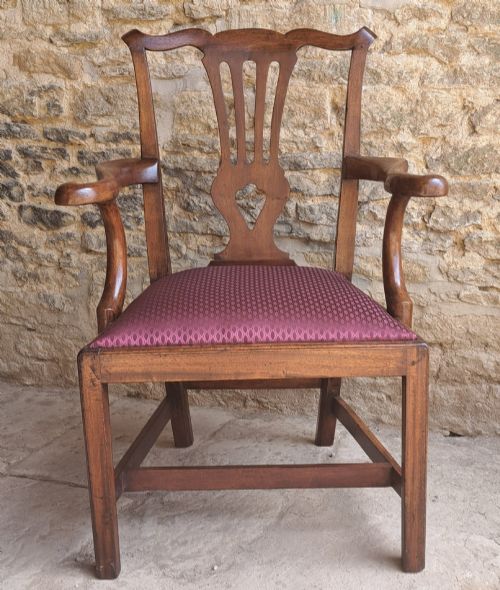
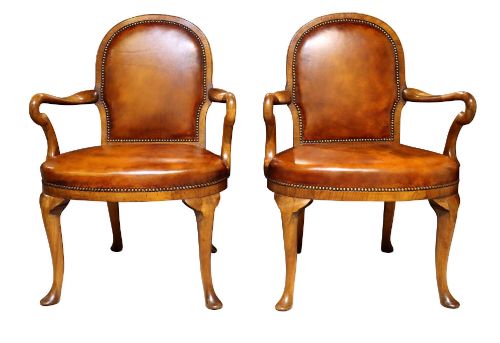
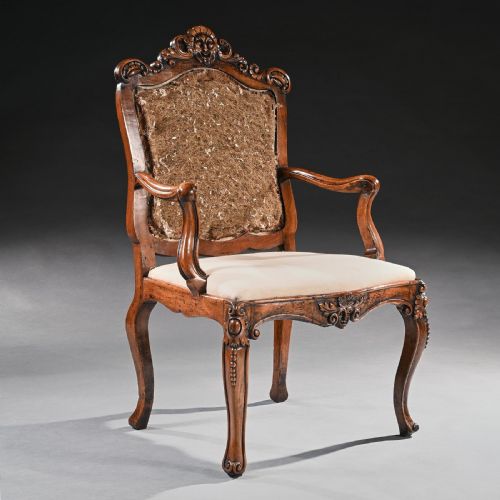
Makers utilised solid walnut for the structural frames, often shaping the timber into cabriole legs, barley twist supports, and curved armrests. Carving techniques varied from restrained mouldings to heavily worked scrollwork and floral motifs.
Upholstery methods involved textile, leather, tapestry, and silk coverings secured over webbing and stuffing, whilst other versions incorporated woven cane panels into the backrests and seats.
Walnut Elbow Chair Retail Price Guide 2026
Typical asking prices for walnut elbow chair among the pieces listed under this phrase on Sellingantiques today, from the lower quarter to the upper quarter. They describe what is for sale here now, not the wider market.
Some nineteenth-century makers built chairs sturdy enough to be described as thrones, ensuring readers could feel like royalty while tackling the morning post.
What varies in quality
The standard of carving determines much of the visual merit, distinguishing crisp, deep hand-cut relief work from softer, shallower decoration. Timber selection also plays a part, with figured walnut and burr veneers marking out more ambitious commissions.
Structural integrity depends on the joinery of the arm supports and leg junctions, where firm tenons and solid timber framing ensure enduring stability. The choice of covering materials, from hand-stitched needlepoint tapestries to imported silks and heavy leathers, reflects the original status of the chair.
The Walnut Elbow Chair Glossary
- Carver
- An armchair, often matching a set of dining side chairs, featuring elbow supports. These pieces were traditionally intended for the head of the dining table.
- Cabriole leg
- A furniture leg that curves out and then in, mimicking an animal's leg in motion. This form is frequently found on Queen Anne and Georgian style chairs.
- Spoon back
- An upholstered chair back shaped to follow the human spine, popular during the Victorian era. The wooden rim typically forms an oval or cartouche outline.
- Fauteuil
- An open-arm armchair originating in France, featuring exposed wooden framing and upholstered armpads. These chairs were designed for eighteenth-century salons.
- Marquetry
- Decorative inlay work using various tinted woods to create intricate patterns on flat surfaces. This technique appears on select Dutch and English cabinet furniture.
Walnut Elbow Chair: Frequently Asked Questions
What is a walnut elbow chair?
A walnut elbow chair is a wooden armchair designed with structural armrests, constructed from walnut timber. These pieces have served as study seats, library chairs, and drawing room furnishings across centuries.
The category includes seventeenth-century joined frames, eighteenth-century study chairs, and later revival pieces. Each era brought distinct carving styles and upholstery choices to the basic elbow chair form.
How do I date a walnut elbow chair?
Dating relies on examining the joinery, timber finishing, and stylistic markers such as cabriole legs, splat backs, or carved scrollwork. Seventeenth-century examples often feature turned stretchers and high backs, whereas later Victorian versions display curved spoon backs.
Comparing the construction methods to known historical periods helps narrow down the decade of manufacture. Revival pieces from the Edwardian era frequently imitate earlier Georgian or Queen Anne designs.
Where were these chairs used?
These chairs found placement in domestic interiors such as libraries, studies, drawing rooms, and halls. Their sturdy frames and comfortable armrests made them suitable for reading and writing.
Some versions functioned as desk chairs, while larger throne or porter styles served formal reception spaces. Dining sets often included a pair of matching carvers for the hosts.
What is the difference between an armchair and an elbow chair?
The terms are largely interchangeable within antique furniture trade, both describing a seat fitted with armrests. Elbow chair specifically highlights the presence of wooden supports for the sitter's arms.
Traditional cataloguing often uses elbow chair for formal dining carvers or library armchairs. The distinction depends more on regional terminology than on structural differences.