





Baroque Carved Oak Desk
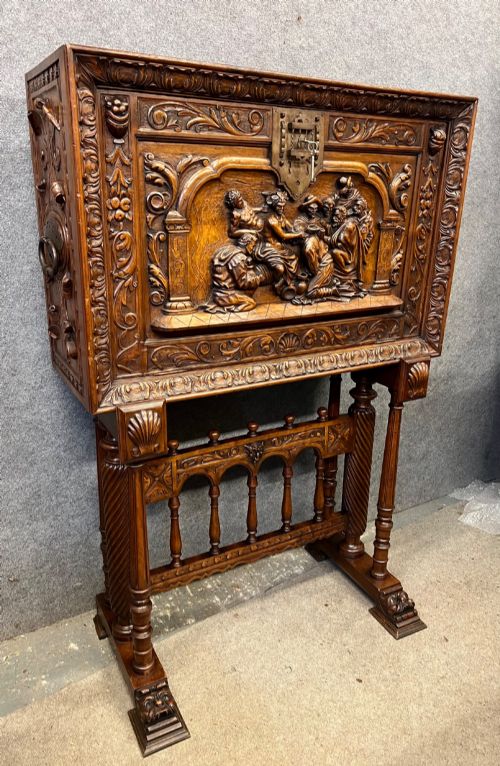
These baroque carved oak desk pieces and related writing tables bring solid timber and deep relief work straight into a room.
Baroque Carved Oak Desk
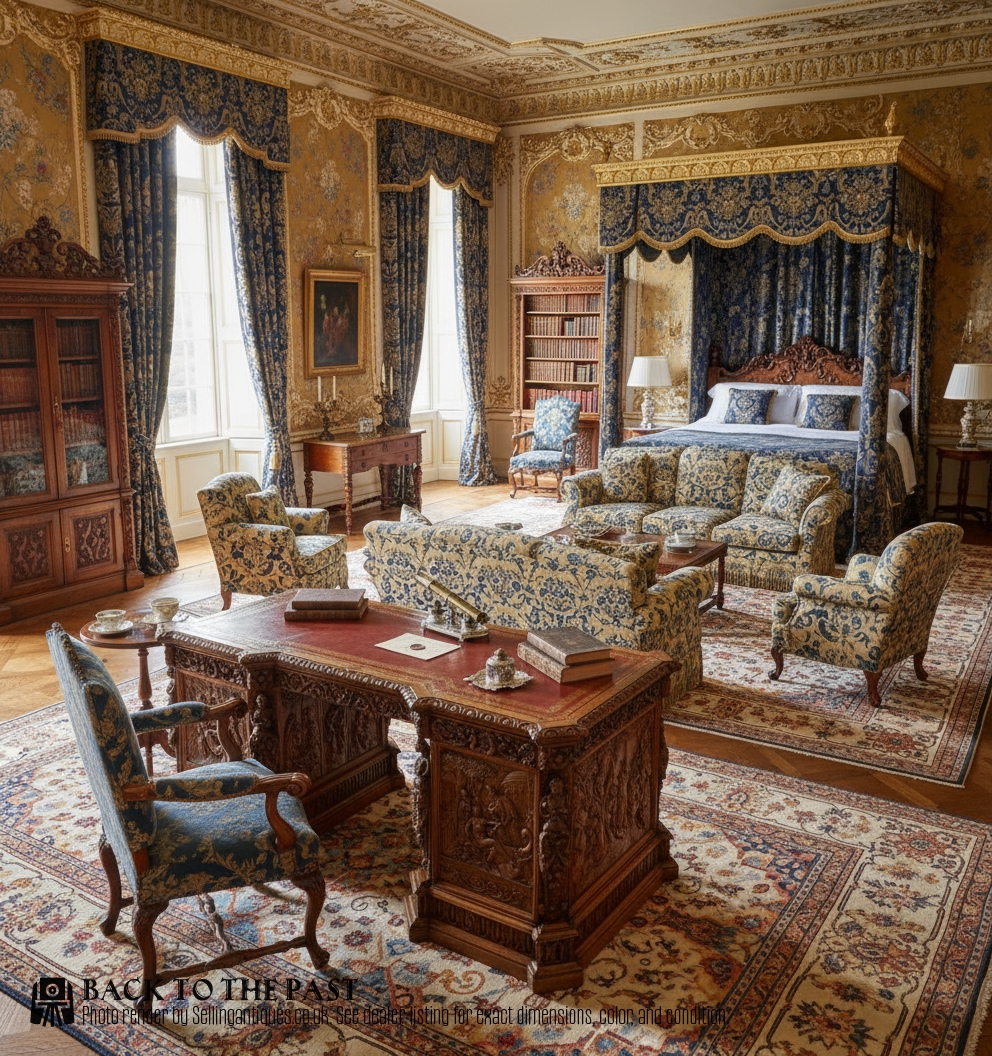
A baroque carved oak desk provides a heavy timber writing surface shaped by seventeenth-century and later regional traditions. Buyers searching for a baroque carved oak desk encounter writing tables, partners desks, and bureau bookcases spanning several centuries.
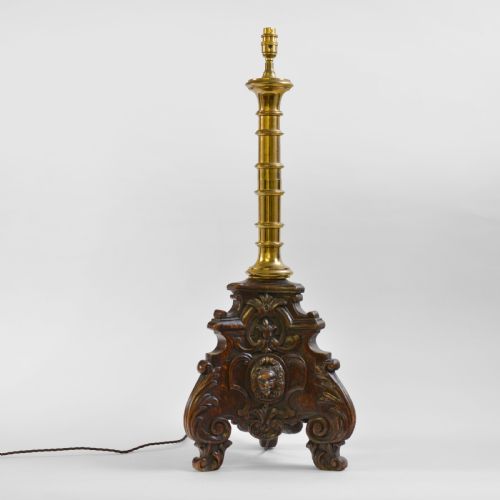
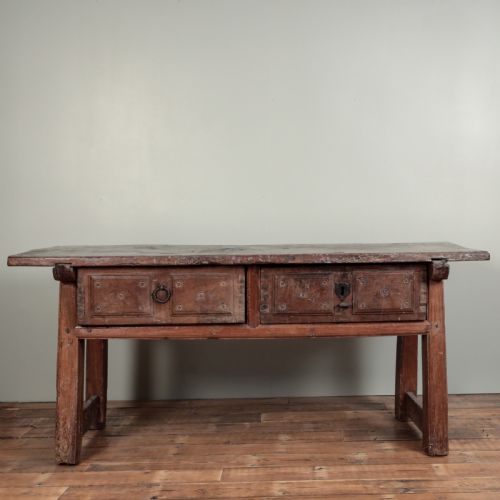
The selection on this page ranges from seventeenth-century Spanish and Flemish origins through Victorian revivals and later interpretations. Alongside dedicated desks, the listings include related tables and lamp forms sharing the same timber and decorative vocabulary.
How they were made
Makers built these pieces primarily from solid oak, sometimes combining it with walnut or incorporating brass, iron, and leather inserts. Construction relied on traditional joinery methods suited to heavy hardwoods.
Carving defines the surface work, utilising relief panels, figures, and architectural motifs characteristic of Spanish, Flemish, and Scandinavian baroque styles. Iron and wrought iron elements occasionally provide structural support or hardware.
Baroque Carved Oak Desk Retail Price Guide 2026
Typical asking prices for baroque carved oak desk among the pieces listed under this phrase on Sellingantiques today, from the lower quarter to the upper quarter. They describe what is for sale here now, not the wider market.
Listings span seventeenth-century origins, eighteenth-century Norwegian and Portuguese examples, and nineteenth-century Victorian revivals.
What varies in quality
Quality rests upon the depth and precision of the carved ornamentation, distinguishing spirited hand-carved religious panels or caryatids from simpler decorative work. The choice of timber grain and the integrity of the original construction dictate the standing of each piece.
Period authenticity also separates examples, as seventeenth-century originals carry different weight compared to later nineteenth-century revival interpretations. The preservation of original surface patination remains central to the character of the timber.
The Baroque Carved Oak Desk Glossary
- Baroque
- A style characterised by ornate detail, dramatic ornamentation, and heavy sculptural relief. This aesthetic dominated European furniture design during the seventeenth and early eighteenth centuries.
- Partners desk
- A large double-sided writing table designed for two people to work face to face. These forms often feature extensive drawer banks and heavy carved panels.
- Bureau bookcase
- A combination piece comprising a sloping desk flap above drawers, surmounted by a bookcase cabinet. Examples from the eighteenth century utilise fitted interior compartments.
- Caryatid
- A sculpted female figure serving as an architectural support in place of a column. They appear carved into the structural frames of seventeenth-century woodwork.
- Parquetry
- Geometric mosaic woodwork used for decorative surface patterns on tabletops. This technique creates contrasting wooden tile arrangements.
Baroque Carved Oak Desk: Frequently Asked Questions
What periods do these desks come from?
The pieces span from the seventeenth century through the eighteenth century, alongside Victorian revival interpretations made in the nineteenth and early twentieth centuries.
Each era brings distinct regional carving traits, ranging from Spanish and Flemish baroque to later Gothic and Victorian revivals.
Are these desks made of solid oak?
The primary material across the selection is oak, often complemented by secondary timbers like walnut alongside brass, iron, leather, and fabric.
Solid construction ensures heavy, durable frames capable of supporting elaborate hand-carved panels and sculptural details.
How do I identify a partners desk?
A partners desk provides workspace on both sides, allowing two people to sit opposite each other with matching drawers or cupboards below.
Such forms often feature high-relief carvings and substantial proportions suited to large studies or libraries.
What is the difference between original and revival pieces?
Seventeenth and eighteenth-century pieces date from the active period of baroque design, showing contemporary construction methods and age-related wear.
Revival pieces from the Victorian era reproduce these historical styles using nineteenth-century workshop practices and machine assistance.
How do I care for antique oak furniture?
Antique oak benefits from stable indoor humidity levels away from direct heat sources to prevent the timber from drying and splitting.
Regular dusting with a dry cloth maintains the surface without requiring heavy modern polishes that can build up on carved relief work.