


Austrian Art Nouveau Ceramics
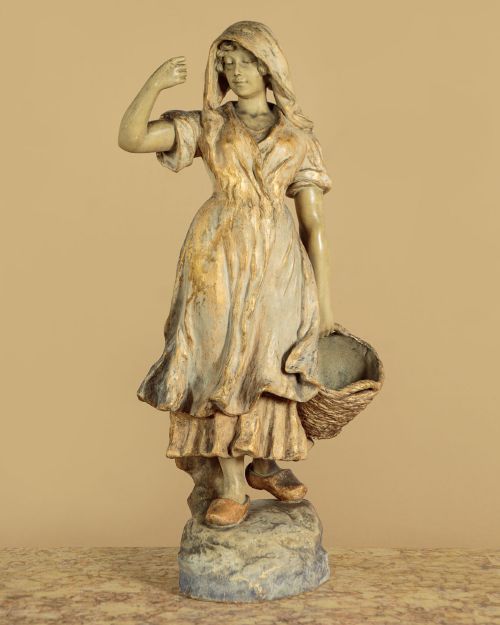
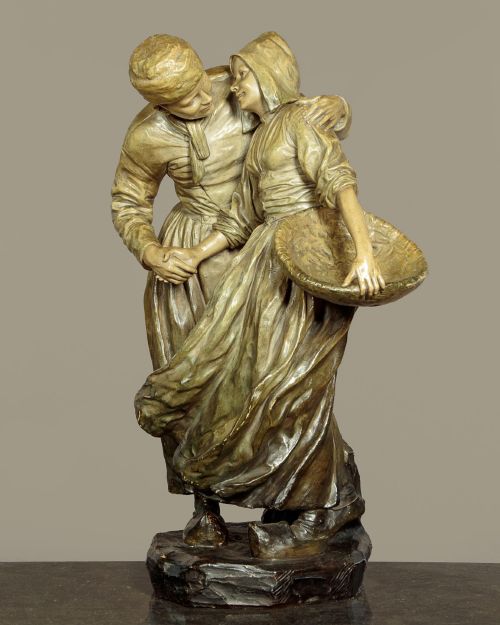
These Austrian art nouveau ceramics capture the flowing organic lines and natural grace of the period, bringing distinctive decorative flair to any interior.
Austrian Art Nouveau Ceramics
When you search for austrian art nouveau ceramics, you encounter a remarkable array of sculptural and decorative objects created around the turn of the twentieth century. These pieces span from the late nineteenth century through to the Edwardian period and the early nineteen-twenties.
The most common forms on this page include vases, jardinieres, decorative ewers, and figurative sculptures. Works range in date from eighteen-ninety to nineteen-twenty, showcasing the distinct stylistic shift towards organic motifs and flowing female forms.
Makers such as Friedrich Goldscheider and Ernst Wahliss dominate these listings, offering everything from monumental pottery vessels to detailed terracotta wall plaques. Buyers frequently find both porcelain and earthenware items bearing the characteristic aesthetic of this vibrant design movement.
Materials and Techniques
Potters and sculptors utilised earthenware, terracotta, and porcelain as the primary foundations for their creations. Slip casting allowed workshops to produce complex figurative sculptures and vessels with consistent precision.
Glazes, majolica finishes, and occasional gilt detailing provided rich surface textures and vibrant colour palettes. Artisans applied these finishes to highlight the intricate relief work and naturalistic contours typical of the style.
Listings feature ceramics spanning the nineteenth century, the Edwardian era, and the nineteen-twenties, incorporating earthenware, porcelain, and terracotta materials.
Evaluating Quality and Craftsmanship
Monumental scale and ambitious design complexity also elevate certain vases and centrepieces above everyday domestic items. The best examples maintain structural integrity alongside fluid, organic silhouettes without losing definition in their relief decoration.
Goldscheider·Ernst Wahliss·Julius Dressler·Eichwald
The Austrian Art Nouveau Ceramics Glossary
- Terracotta
- A porous fired clay body used extensively for sculptural figures and relief plaques. This material allowed makers to achieve remarkably sharp detail in human forms and decorative motifs.
- Majolica
- A type of earthenware coated with an opaque tin-glazed enamel and painted with colourful metallic oxide glazes. It produced the vibrant, glossy surface seen on nineteenth-century bird and floral designs.
- Slip cast
- A manufacturing method where liquid clay slip is poured into a plaster mould to create hollow vessels or figures. This technique facilitated the mass production of intricate art nouveau shapes.
- Jardiniere
- A large decorative pot or stand designed to hold live plants or floral arrangements. These substantial ceramic pieces often served as striking focal points in turn-of-the-century interiors.
Austrian Art Nouveau Ceramics: Frequently Asked Questions
How do I identify genuine Austrian art nouveau ceramics?
Authentic pieces typically display period manufacturing techniques such as slip casting in terracotta, earthenware, or porcelain. Look closely at the depth of the glaze and the crispness of the modelled forms.
Maker marks and model numbers stamped or painted on the base often help confirm the origin and production period. Familiarising yourself with the specific output of prominent Viennese workshops provides additional confidence.
What were jardinieres and ewers used for?
Jardinieres served as ornamental containers for indoor plants, bringing a touch of nature into period drawing rooms. Ewers functioned primarily as decorative vessels, often displayed on sideboards or mantels rather than used for pouring.
Both forms allowed designers to showcase elaborate art nouveau handles, figurative reliefs, and vibrant majolica glazes. Their substantial scale made them prominent decorative elements in Edwardian and late nineteenth-century homes.
How should I clean porcelain and terracotta pieces?
Dust ceramic and porcelain surfaces gently with a soft, dry brush or microfiber cloth to remove everyday particles. Avoid using water or liquid cleaning agents on porous terracotta or delicate gilt decorations.
Keep pieces away from direct sunlight and damp environments to preserve the integrity of the glazes and painted finishes. Regular, careful maintenance ensures these antique items remain in stable condition.
What subjects are common in these sculptures?
Figurative works frequently depict female figures inspired by nature, including maidens, mythological characters, and allegorical subjects like Daphne or Rebecca. Animal studies and satirical relief scenes also appear among the sculptural offerings.
These motifs reflect the broader artistic obsession with organic movement and expressive human forms during the early twentieth century. Artisans used these subjects to demonstrate their mastery of terracotta and earthenware modelling.