


Antique Dark Green Vase
An antique dark green vase brings deep earthy tone and classic form to a room, offering both decorative presence and historical weight.
Antique Dark Green Vase
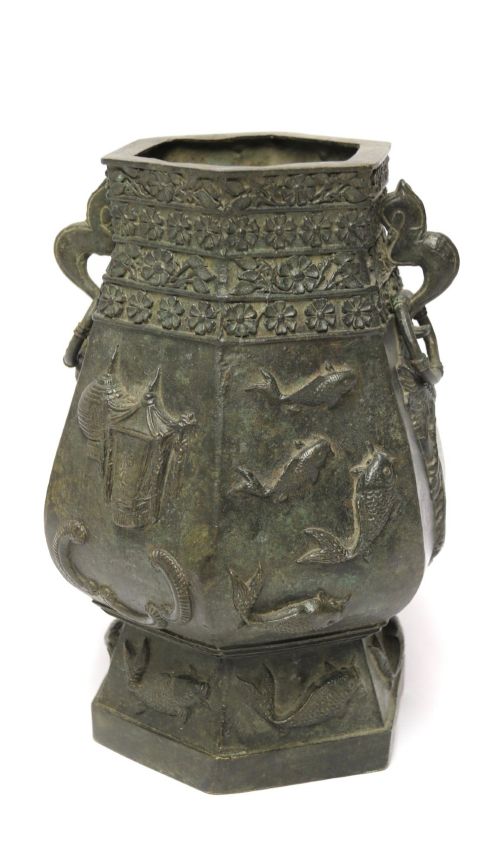
When you search for an antique dark green vase, you encounter a surprisingly varied selection of vessels spanning multiple centuries and distinct decorative traditions. The examples found here range from nineteenth-century bronze and marble vessels to earthenware and art pottery from later decades.
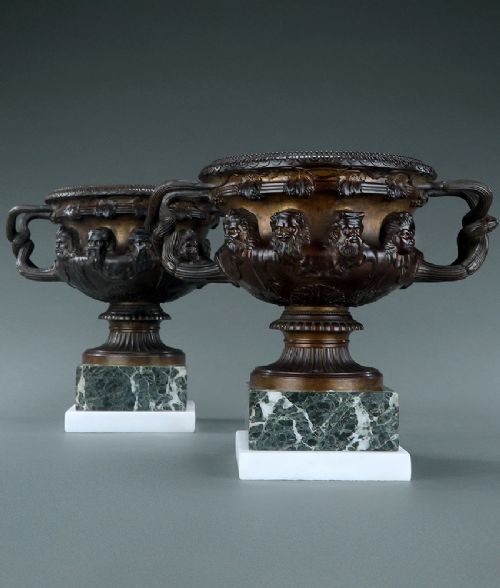
Most pieces on this page lean towards nineteenth-century production, including Grand Tour items and Victorian creations. You also find specialised forms such as cassolettes, decorative urns, and storage jars sharing this characteristic palette.
How they were made
Makers utilised durable materials such as bronze, marble, and earthenware to shape these vessels. Metal pieces often incorporate cast bronze, sometimes paired with marble plinths or gilt bronze mounts.
Pottery and glass items rely on traditional firing and blowing techniques to achieve their distinctive dark green glazes and body shapes. Artisans shaped stone and marble through careful carving and polishing to highlight the natural grain and deep colour.
Object forms on this page include solid bronze vessels, marble cassolettes, and Secessionist art pottery vases.
What varies in quality
The distinction between standard and superior pieces rests on the precision of the casting, the quality of the stone, and the finesse of any applied ornament. Heavier metalwork with crisp detailing and well-finished marble bases command greater attention.
Art pottery versions show quality through the glaze depth and the integrity of the ceramic body. Pieces that retain their original mounts, patination, and structural soundness represent the higher tier of surviving examples.
Ernst Wahliss·J R Mally & Co·Christopher Dresser·Doulton
The Antique Dark Green Vase Glossary
- Grand Tour
- A traditional trip of Europe undertaken by upper-class young men of means for pleasure and education. Items acquired on these journeys often included classical bronze or marble vases.
- Cassolette
- A vessel shaped like a vase or urn with a pierced cover, designed originally for burning perfumes. In decorative terms, it functions as an ornamental urn.
- Ormolu
- A technique of applying finely ground, high-carat gold in a mercury amalgam to an object of bronze. This finish gives a rich golden contrast to dark green marble or patinated bronze bodies.
Antique Dark Green Vase: Frequently Asked Questions
What periods do these vases come from?
The pieces span various eras, with a strong representation from the nineteenth century, including objects dated around eighteen-eighty and eighteen-ninety.
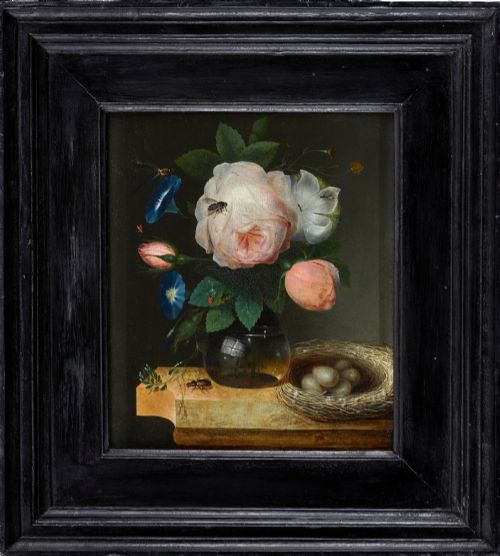
Earlier centuries also appear through seventeenth-century artistic depictions, while later works extend into the nineteen-twenties and nineteen-thirties.
Are these vases functional or decorative?
Most items serve primarily as decorative objects, ornamental urns, or sculptural mantelpiece ornaments rather than utilitarian vessels for daily cut flowers.
Some examples include specialised forms like cassolettes and storage jars, which historically held perfumes or dry goods.
What materials are commonly used?
Materials include cast bronze, green marble, earthenware, and blown glass, often combined with gilt bronze or ormolu mounts.
These heavy, tactile substances give the vessels their characteristic weight and deep tonal quality.
How do I identify different styles?
Styles range from Neoclassical and Louis XVI revivals to Art Nouveau and Secessionist art pottery.
Looking at the decorative motifs, mounting techniques, and ceramic glazing helps distinguish between classical revival pieces and later modernist designs.