

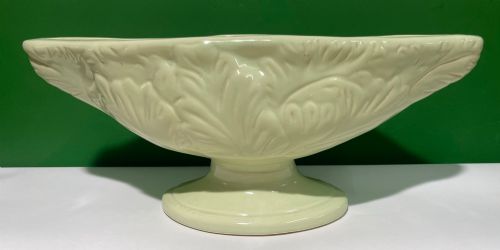
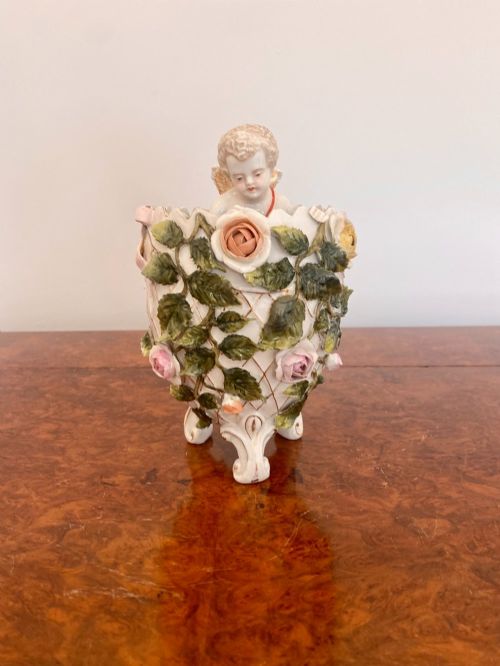
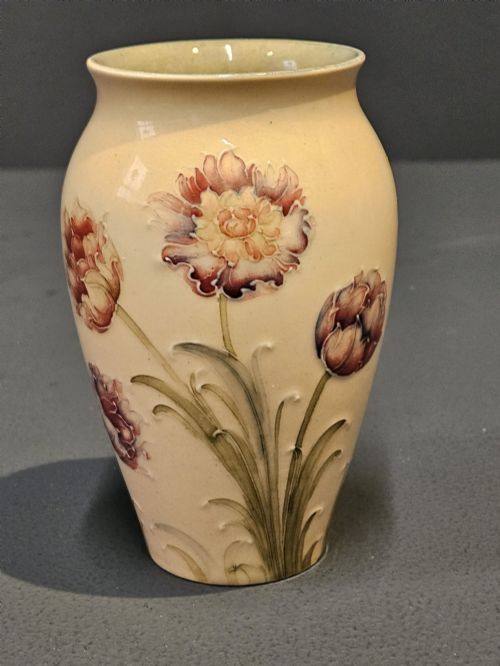


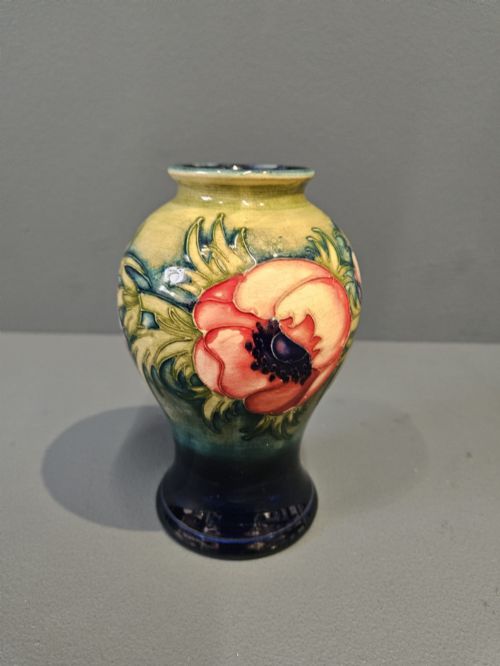



Ceramic Flower Vessel
A ceramic flower vessel brings history indoors, offering a tactile way to display stems using centuries of studio and factory craftsmanship.
Ceramic Flower Vessel
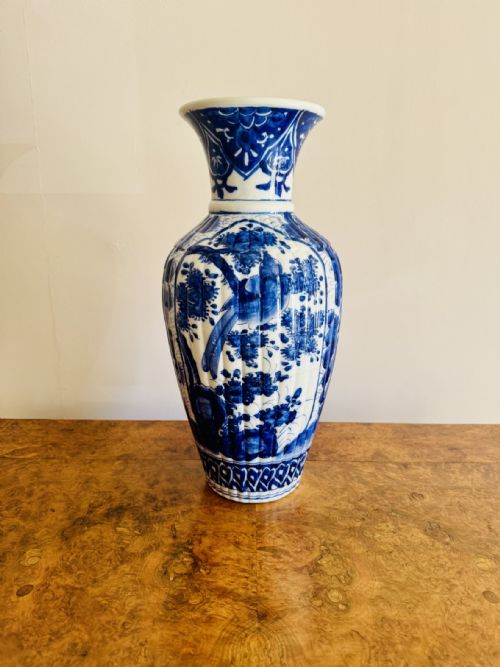
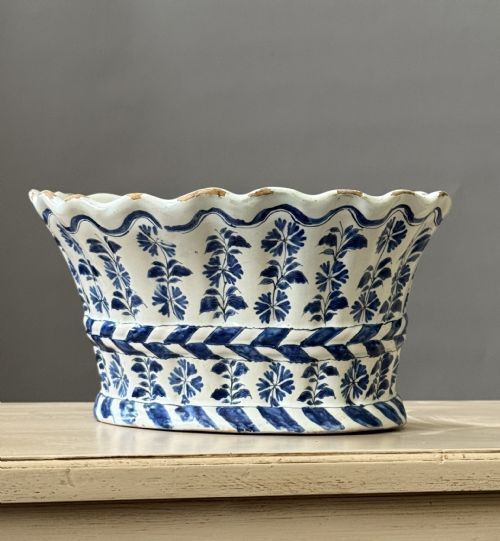
A ceramic flower vessel encompasses a wide array of domestic items designed to hold cut stems, foliage, and bulbs. Buyers exploring this category encounter everything from tall cylindrical receptacles and bulbous jars to broad jardinieres and bough pots.
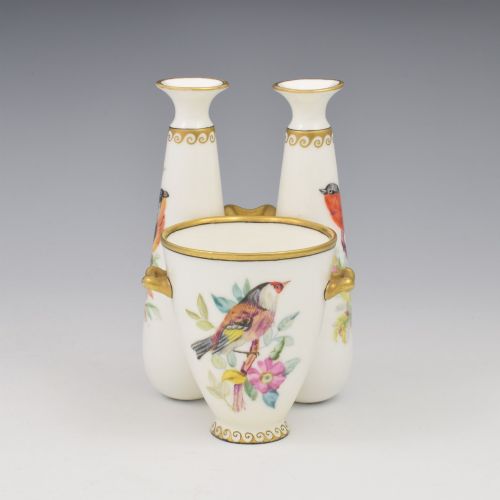
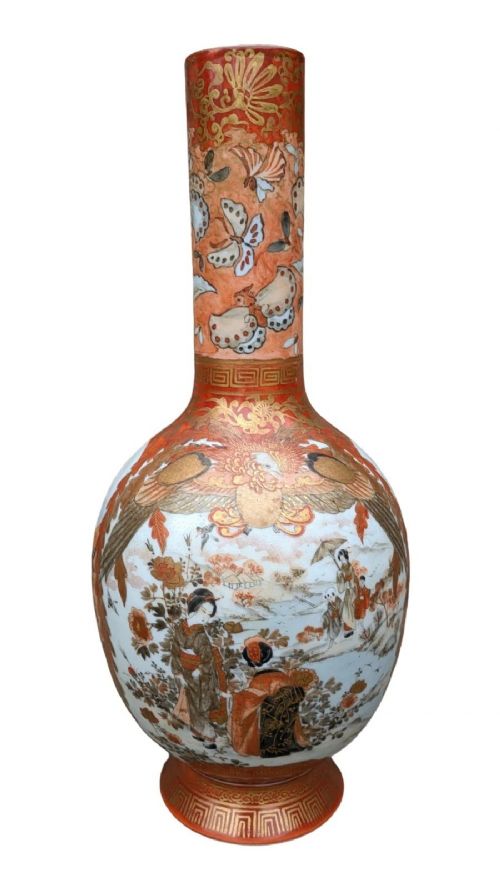
The pieces span multiple centuries and geographic origins, ranging from Victorian English earthenware and Edwardian art pottery to Japanese Imari porcelain and Chinese export wares. On this page, English factory productions from firms like Royal Doulton and Royal Worcester appear alongside Meiji period Japanese stoneware.
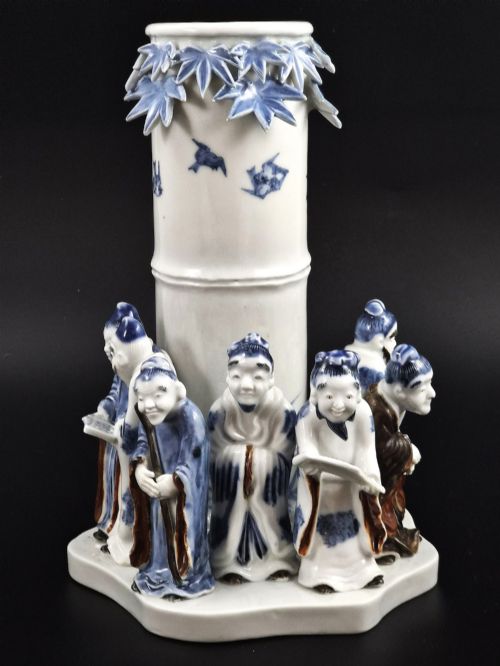
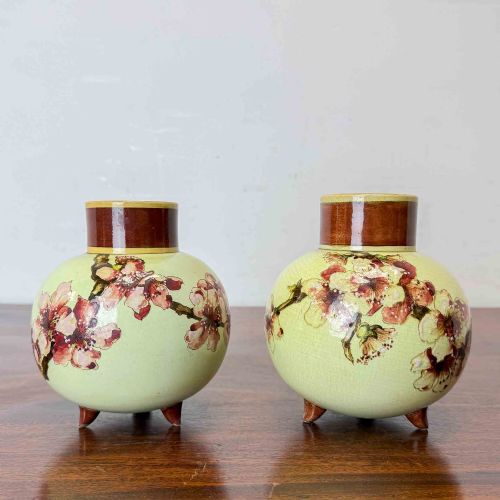
Forms also include specialised items such as twin-handled vases, lidded potpourri jars, and figural bamboo vases. Each object reflects the prevailing aesthetic of its era, moving from strict classical symmetry to flowing organic plant lines.
Materials and Techniques
Makers shaped these items from various ceramic bodies including dense stoneware, refined porcelain, and porous earthenware. Potters threw vessels on the wheel or pressed clay into moulds, occasionally combining techniques to achieve complex asymmetrical silhouettes like garlic-head or hexagonal profiles.
Decoration relied heavily on manual skill, utilising hand-painted motifs, raised enamel floral decor, and underglaze blue and white pigments. Artisans applied specialised glazes, gold leaf highlights, and slip-trailed patterns such as Slater's patent lace textures before firing the pieces in kilns.
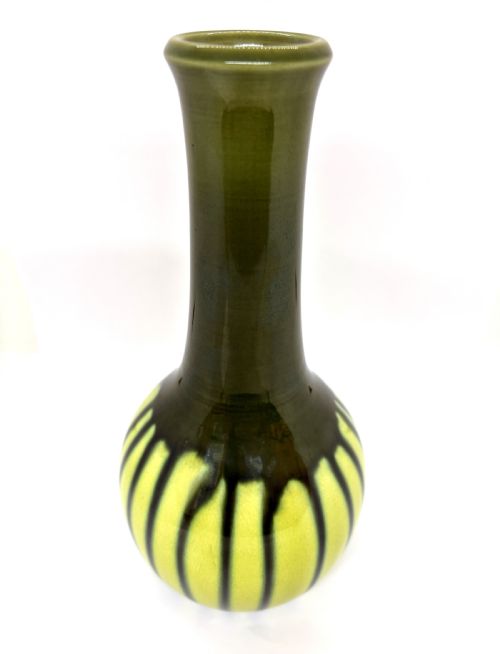
Techniques varied between European factories, which favoured transfer printing and painted enamel over white glaze, and East Asian traditions, which emphasised rich Satsuma crackle glazes and detailed pictorial scenes depicting figures and foliage.
Ceramic Flower Vessel Retail Price Guide 2026
Typical asking prices for ceramic flower vessel among the pieces listed under this phrase on Sellingantiques today, from the lower quarter to the upper quarter. They describe what is for sale here now, not the wider market.
Listings feature items spanning the 18th, 19th, and 20th centuries, utilising porcelain, earthenware, stoneware, and enamel materials.
Criteria of Distinction
Quality rests upon the execution of the painting and the precision of the ceramic form. Hand-painted botanical and figural scenes executed with fine brushwork indicate skilled studio output rather than hurried commercial production.
The clarity and depth of the glaze differentiate standard utility items from exceptional decorative pieces. Well-fired enamel colours, crisp mould impressions, and successful integration of surface textures elevate a vessel's visual impact.
Maker marks and artist signatures provide tangible proof of origin and authorship. Pieces bearing recognised factory ciphers or specific decorator cals demonstrate higher standards of workshop supervision and material selection.
Royal Doulton·Royal Worcester·Moorcroft·Burmantoft s Pottery·Makuzu Kozan·Kinkozan·Sitzendorf
The Ceramic Flower Vessel Glossary
- Jardinerie
- A large ornamental pot or stand designed to hold growing plants or large floral arrangements. These vessels often sit on floors or heavy furniture.
- Bough pot
- A specialised container featuring a perforated or pierced lid, historically used for holding leafy tree boughs and cut flowers in domestic rooms.
- Imari
- A style of Japanese porcelain characterised by a palette of underglaze blue, iron red, and gold. This aesthetic heavily influenced European ceramic design.
- Stoneware
- A robust, vitrified pottery body fired at high temperatures until non-porous. It accepts salt glazes and intricate slip decorations durable enough for daily use.
- Faience
- Earthenware decorated with opaque coloured tin glazes. The technique permits vibrant painting directly onto the unfired surface before glazing.
Ceramic Flower Vessel: Frequently Asked Questions
What is a ceramic flower vessel used for?
These vessels served functional roles in period homes for displaying fresh cut flowers, greenery, and flowering bulbs. Larger versions functioned as indoor planters or decorative table centerpieces.
Over time, many pieces transitioned into purely decorative display items, valued for their painted scenes and distinct regional ceramic styles.
How do I identify a Victorian vase?
Victorian pieces often feature heavy ornamentation, including hand-painted floral motifs, gilt accents, and eclectic revival styles ranging from classical to naturalistic. Look for impressed factory ciphers and registration numbers typical of nineteenth-century British production.
Many examples incorporate popular Victorian motifs such as birds, butterflies, and dense garden flowers rendered in bright enamels or slip.
Are Japanese Meiji pieces marked?
Many Japanese items from the Meiji period carry painted or impressed workshop signatures on the base, identifying the artist, kiln, or region of manufacture. Names like Satsuma and Kutani often appear alongside individual studio signatures.
Not all items bear text, as some relied on distinct regional decorative styles and crackle-glaze characteristics for identification.
How should I clean an antique ceramic vase?
Clean antique ceramics gently using lukewarm water and a mild soap, avoiding harsh scrubbing or soaking if the piece has fragile overglaze enamels or gold leaf. Dry the surface immediately with a soft, lint-free cloth.
Refrain from using chemical cleaners or putting porous earthenware and stoneware into dishwashers, as moisture can penetrate old clay bodies.