


Bohemian Art Nouveau Pottery
Bohemian art nouveau pottery brings sinuous floral lines and striking glazes into a room, capturing the distinct aesthetic of the early twentieth century.
Bohemian Art Nouveau Pottery
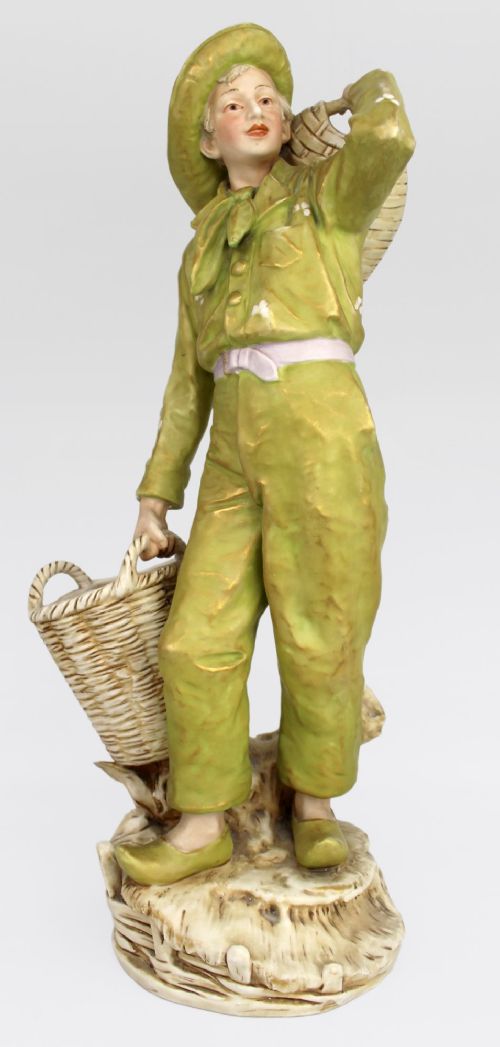
When you search for bohemian art nouveau pottery, you encounter a distinct collection of decorative objects shaped during the late nineteenth and early twentieth centuries. The pieces available range from monumental vases and jardinieres to figurative groups and ewers.
Most examples date from around nineteen hundred to the Edwardian period, displaying the characteristic styles of the era. Makers from regions such as Austria and Bohemia produced these earthenware, porcelain, and terracotta items using fluid organic motifs.
How they were made
Potters shaped these vessels using earthenware, porcelain, and terracotta, often applying detailed glazes and hand-painted finishes. Workshops utilised enamelling and gilding to accentuate the sculptural forms of figures and vases.
Moulders worked with intricate ceramic bodies to achieve the flowing contours typical of the period. Skilled artisans then decorated the surfaces with painted highlights and lustrous metallic accents.
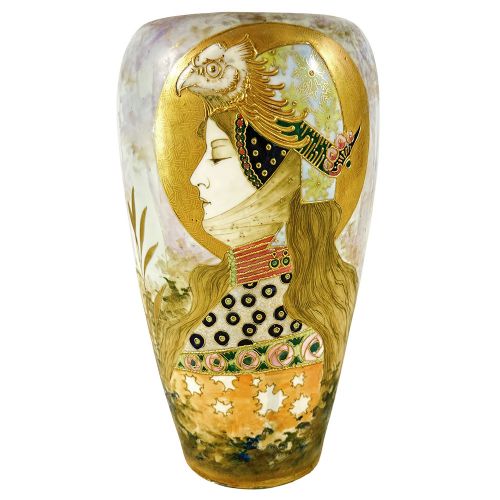
Water lilies grace a monumental vase, bringing quiet ponds straight into Victorian parlours.
What varies in quality
Quality rests upon the crispness of the modelling and the ambition of the original design. Monumental pieces and complex figurative groups often demonstrate superior artistic execution compared to simpler vessels.
The sophistication of the hand painting and the application of gilding distinguish finer works. Successful integration of sculptural detail with the ceramic body defines the most accomplished outputs.
Nicholas Kannhauser·Reissner Stellmacher and Kessel·Julius Dressler·Ernst Wahliss·Paul Dachsel
The Bohemian Art Nouveau Pottery Glossary
- Earthenware
- Porous pottery fired at lower temperatures, commonly used for vases and figures. It requires a glaze to hold liquids.
- Jardiniere
- A large ornamental pot or stand designed to hold plants or flowers. These items often feature prominent handles or relief decoration.
- Gilt
- A thin layer of gold applied to the surface of ceramic or metal. This technique highlights raised details and adds metallic contrast.
- Terracotta
- Unglazed or glazed fired clay of a brownish-red colour. Sculptors frequently utilised this material for detailed figurines and sculptural groups.
Bohemian Art Nouveau Pottery: Frequently Asked Questions
What periods do these pieces come from?
The listings span the late nineteenth century through to the early twentieth century, with a strong representation from around nineteen hundred and the Edwardian era. These dates reflect the height of the movement in Central Europe.
Craftsmen produced these items during a time of significant stylistic shift away from historical revivalism towards organic forms. The recorded pieces align closely with this specific era of design.
How were jardinieres used?
Jardinieres served as large decorative pots designed to hold indoor plants or floral arrangements within domestic interiors. Their substantial size made them focal points for reception rooms and halls.
Owners placed these vessels on stands or direct to the floor to display palms and flowering plants. They combined practical planting functions with sculptural display.
How do I identify a Royal Dux piece?
Royal Dux pieces often feature figural subjects, large groups, or vases modelled by artists such as H. Schubert. The works typically display distinct early twentieth-century manufacturing traits.
Closer inspection of the modelling and form reveals the characteristic style associated with the Bohemian pottery. The evidence shows these items range from single figures to monumental groups.
What materials are most common?
Earthenware, porcelain, and terracotta form the primary physical basis for these decorative items. Makers shaped these clays into vases, ewers, and spill vases before applying glazes.
Surface decoration frequently incorporates paint, enamel, and gilt highlights to enhance the visual depth. These combined materials create the characteristic finish of the era.