


Atmospheric Landscape Art
Atmospheric landscape art captures the moods of nature through light and weather, spanning watercolours and oils on canvas.
Atmospheric Landscape Art
Atmospheric landscape art encompasses paintings that focus on weather, light, and mood rather than purely topographical record. A buyer searching this phrase encounters works ranging from Victorian watercolours to mid-century modern oil paintings.
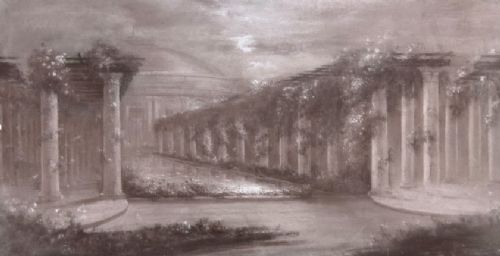
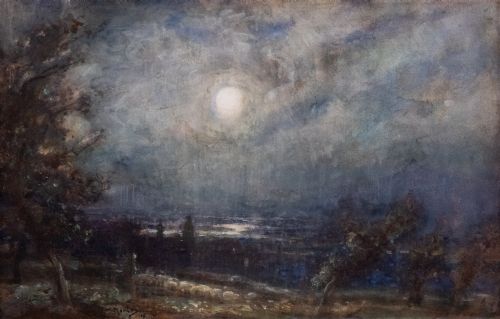
The selections available here predominantly showcase British and European scenes, executed in mediums such as watercolour pigment, oil on canvas, and oil on board. These pieces frequently depict coastal views, river scenes, and moody skies under the influence of Impressionism, Tonalism, and Modern British styles.
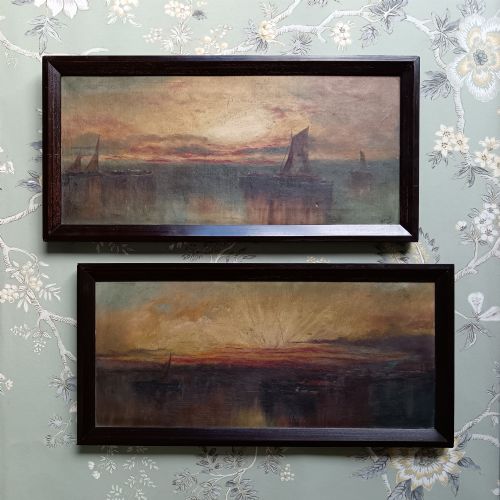
Most examples date from the nineteenth century through the mid-twentieth century, capturing industrial and rural vistas alike. The core of the selection relies on paintings that evoke specific times of day, such as sunrise, evening, or twilight.
Quality factors
The strength of the composition and the artist's handling of light dictate the visual impact of each piece. Superior works demonstrate a confident command of tone and colour to convey moisture, mist, and illumination effectively.
The harmony between medium and support also determines success, with stable wood panels and well-preserved paper retaining pigment integrity over decades. Signed works by documented painters carry greater authority in capturing these ephemeral moods.
Several canvases capture notoriously damp British weather, ensuring your walls stay soggy even during a drought.
Francis Moltino·Thomas William Morley·Charles Leslie·George Weatherill·Edward Seago·Owen Bowen·James Kay·Florence Hess·William Grant Murray·Frank Wasley·Robert Leslie Howey·William A. Macdonald·Frederick William Jackson·Fred Lawson·Herbert John Finn·William Kay Blacklock·Kershaw Schofield·W.E. Atkinson·Frank Shenton·H. Hadfield Cubley·Gudrun Sibbons·Walter Duncan·Lillian M. Harrison
The Atmospheric Landscape Art Glossary
- Tonalism
- An artistic style that emerged in the late nineteenth century where artists painted landscapes with an overall tone of coloured atmosphere or mist. Works in this style prioritize mood and shadow over sharp outlines.
- Watercolour
- A painting method in which the paints are made of pigments suspended in a water-based solution. The paper support often remains partially visible to let light reflect through the washes.
- Plein air
- The act of painting outdoors to capture the actual light and weather conditions of a landscape directly. This approach underpins many nineteenth and twentieth century atmospheric views.
- Impressionism
- A style of painting that focuses on small, thin yet visible brush strokes and an accurate depiction of changing light. It heavily influences the texture and colour balance of many landscape works here.
Atmospheric Landscape Art: Frequently Asked Questions
What subjects do these paintings show?
The artworks primarily depict coastal views, rivers, harbours, and mountainous terrain under shifting weather. Scenes often capture specific times of day like sunrise, evening, and twilight.
Industrial towns, rural meadows, and pastoral valleys also feature prominently across the various twentieth-century and Victorian pieces.
How should I frame an antique watercolour?
Watercolours require framing behind glass with acid-free mount board to protect the paper and pigment from ultraviolet light and humidity. Keeping the paper from direct contact with the glass prevents condensation damage.
Displaying these works away from direct sunlight ensures the delicate water-based pigments maintain their original tonal balance.
How do I identify a Victorian oil painting?
Victorian oil paintings typically feature traditional stretches on canvas or heavy wooden panels, often accompanied by period gilt frames. The subject matter frequently leans toward dramatic skies, romantic topography, or passing weather.
Signatures, artist plaques, or handwritten inscriptions on the reverse stretcher bars often provide direct clues to the date and origin.
Where were these landscape artists active?
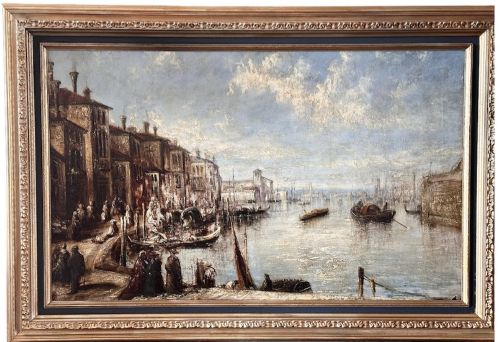
The artists worked across Britain and continental Europe, painting specific locations from Venice and Normandy to Whitby, London, and the Lake District. Many practitioners travelled to paint en plein air in notable coastal and rural spots.
Regional British schools and urban centres provided constant subject matter for both watercolours and oils throughout the nineteenth and twentieth centuries.