

Cottage Landscape Painting
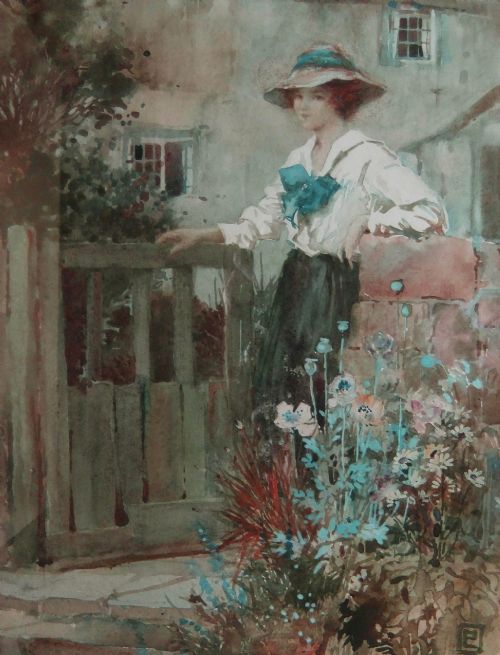
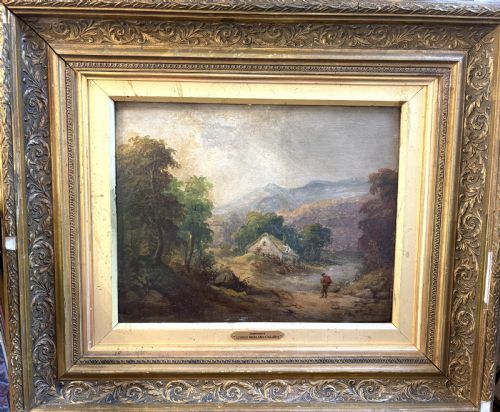
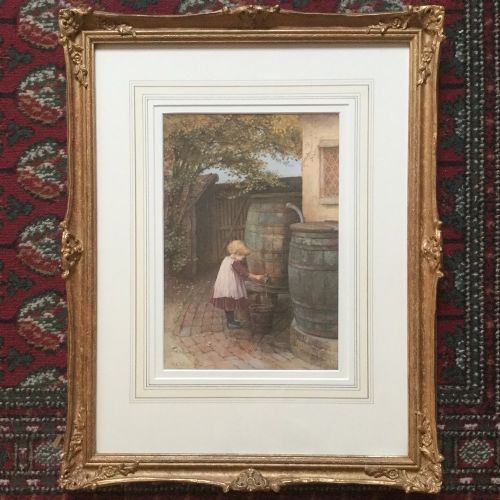
These cottage landscape painting works capture rural domestic scenes across various periods.
Cottage Landscape Painting
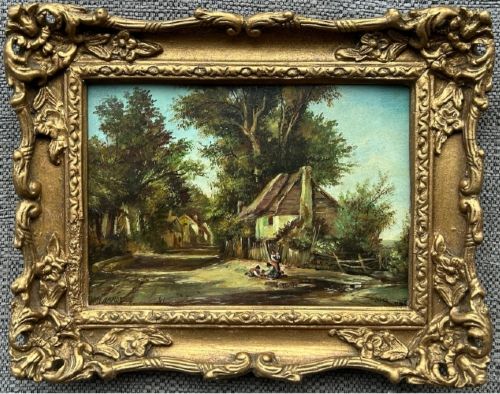
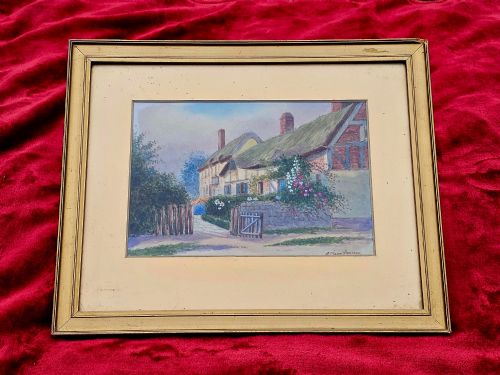
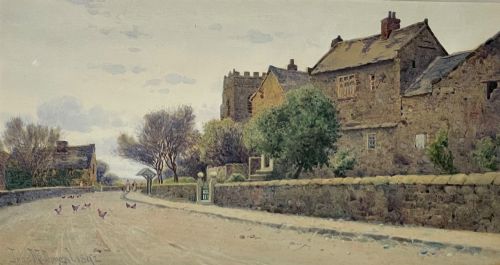
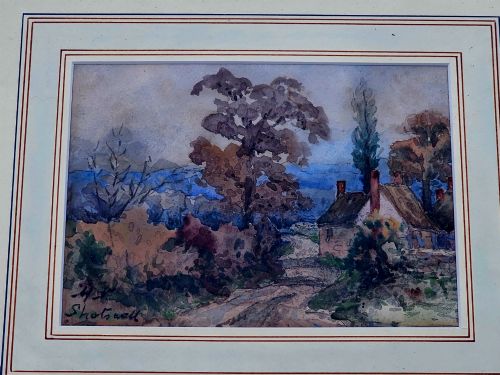
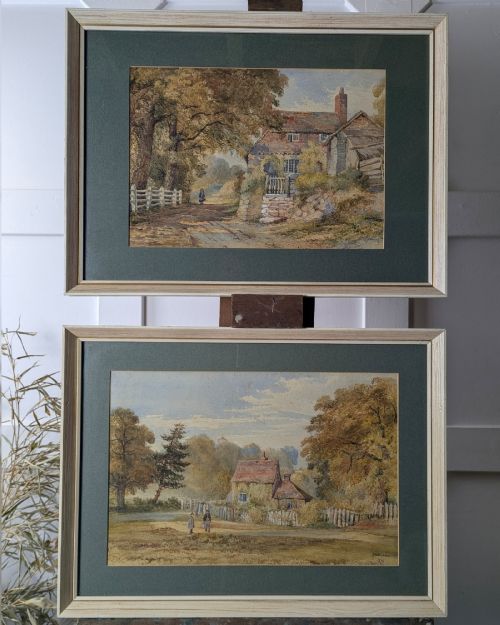
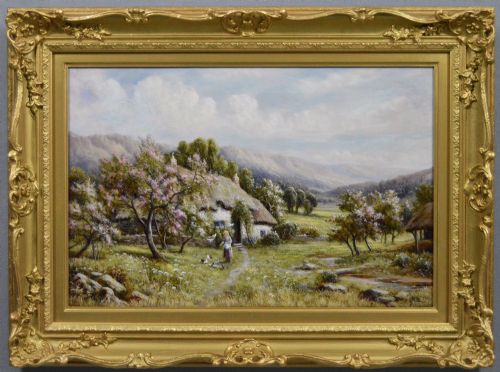
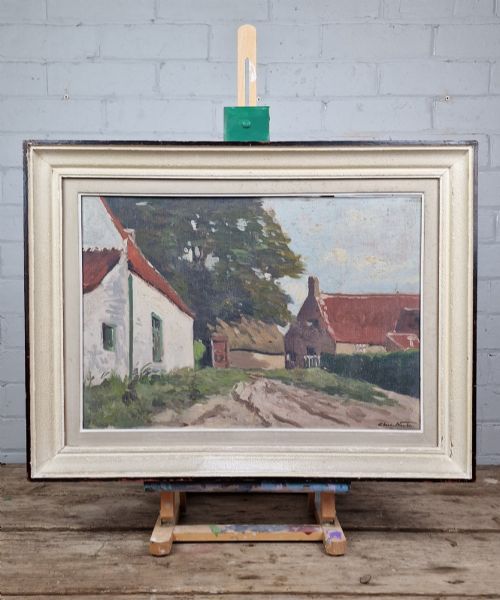
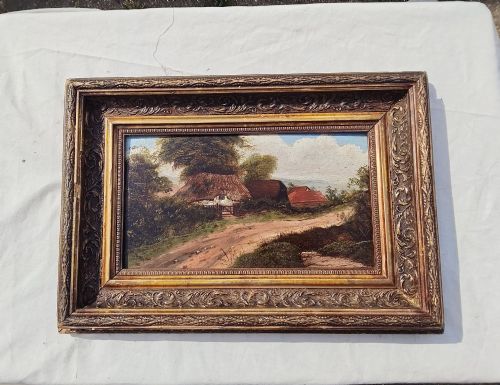
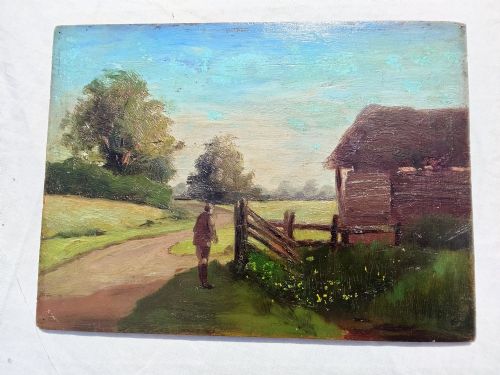
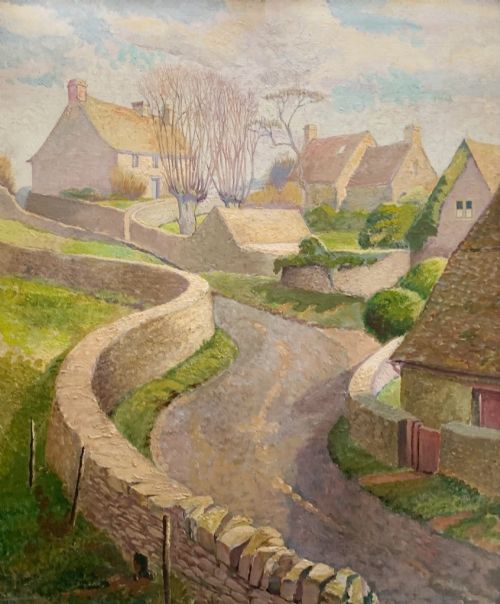
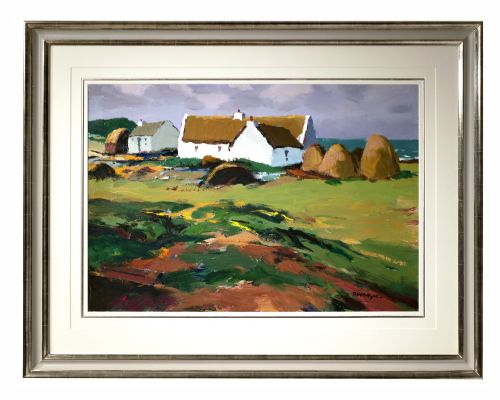
A cottage landscape painting portrays rural homes nestled within countryside, river, or coastal settings, frequently featuring figures, farm animals, or gardens. These artworks reflect pastoral life and vernacular architecture through historical artistic lenses.
The selections available span the nineteenth century through the mid-twentieth century, encompassing Victorian, Edwardian, and impressionist movements. Buyers encounter works produced by named British and European artists alongside pieces attributed to regional schools.
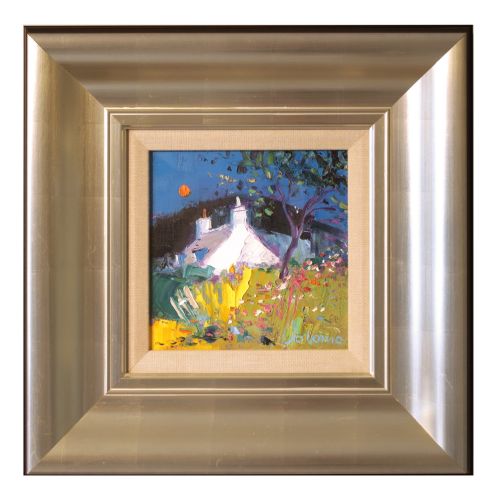
Most examples take the form of original watercolours on paper or oil paintings executed on canvas, panel, board, or card. Framed presentations in period timber or gilt surrounds frequently accompany the artworks.
How They Were Made
Artists applied oil paint or watercolour pigment onto traditional supports including canvas, wood panel, heavy paper, card, and board. Brushwork ranges from tight academic detail to looser impressionist and post-impressionist handling.
Preparatory sketching often preceded the application of transparent watercolour washes or layered oil paints. Canvases and panels were secured within wooden stretchers or frames, sometimes protected beneath glass.
Cottage Landscape Painting Retail Price Guide 2026
Typical asking prices for cottage landscape painting among the pieces listed under this phrase on Sellingantiques today, from the lower quarter to the upper quarter. They describe what is for sale here now, not the wider market.
Listings feature works from the Victorian, Edwardian, and mid-century periods utilising paper, canvas, wood, and card.
What Varies in Quality
The strength of composition and spatial depth separates standard topographical records from masterly interpretations of rural atmosphere. Handling of light, shadow, and atmospheric perspective defines the artistic merit of each piece.
The fidelity of the medium's preservation, from pigment stability on paper to the integrity of oil paint on canvas or panel, influences the visual impact. Original framing and documented provenance further distinguish individual examples.
William Howard Hardy·A. Marie Parsons·John McDougal·Robert A. Nottingham·Robert John Hammond·Charles Houben·John Lowrie Morrison·Donald McIntyre·Percy Lancaster·George Morland·Charles Edward Wilson·John Horace Hooper·Mario Pinetti·Reginald Grange Brundrit·Fred Lawson·Arthur Tucker·J S Ainley·William Hoggatt·James Hardy Junior·Frederick James Knowles·William Greaves·Charles Vickers·Theresa Stannard·Robert Finley McIntyre·George F Pennington
The Cottage Landscape Painting Glossary
- Canvas
- A heavy woven fabric stretched across a wooden frame to serve as a foundation for oil painting. It provides a textured surface that holds layered pigments securely.
- Watercolour
- A painting method where fine pigment is suspended in a water-soluble binder applied to paper. Translucent washes create luminous effects characteristic of landscape studies.
- Panel
- A flat piece of wood or board used as a rigid support for oil paintings instead of canvas. Wooden panels were common in nineteenth-century studio practice.
- Gilt Frame
- A wooden picture frame coated with gold leaf or metallic paint. These ornate surrounds often date to the Victorian or Edwardian periods.
- Impressionism
- An art style focused on accurate depiction of light and its shifting qualities. Artists used visible brushstrokes and unblended colours to capture atmospheric moments.
Cottage Landscape Painting: Frequently Asked Questions
What subjects appear in cottage landscape paintings?
These artworks depict rustic dwellings accompanied by gardens, rivers, farmyards, or mountainous backdrops. Figures working the land, feeding animals, or walking near cottages frequently populate the scenes.
Compositions range from intimate village corners to expansive countryside vistas. The inclusion of local architecture provides a record of regional British and European rural life.
How do I date a cottage painting?
Stylistic indicators, artist signatures, framing materials, and backing boards offer primary chronological clues. Victorian works often feature detailed brushwork and ornate gilt frames, whereas mid-century pieces display looser impressionist techniques.
Archival records, biographical dates of the artist, and inscriptions on the reverse further clarify the period of execution.
Where should I hang these watercolours?
Watercolour paintings require protection from direct sunlight to prevent pigment fading over time. Displaying them in controlled interior lighting preserves the delicate washes on paper.
Pairing framed watercolours or oils with traditional or eclectic interior schemes enhances their historical character. Maintaining stable humidity levels prevents damage to paper, canvas, and wooden panels.
What is the difference between oil and watercolour?
Oils utilise pigments suspended in drying oils applied to canvas, board, or panel, yielding rich textures and deep tones. Watercolours employ water-soluble pigments on paper, producing luminous and transparent effects.
Oil paintings typically feature protective varnish layers and heavier wooden frames. Watercolours are mounted under glass to safeguard the paper support from atmospheric moisture.