


Asian Wooden Storage Chest
These asian wooden storage chest pieces bring historic craft and robust utility to a room.
Asian Wooden Storage Chest
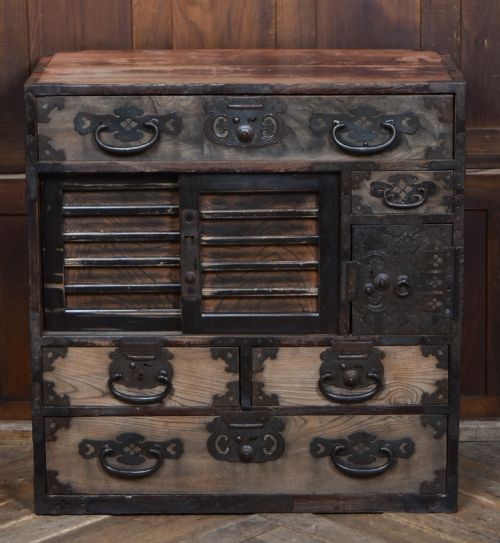
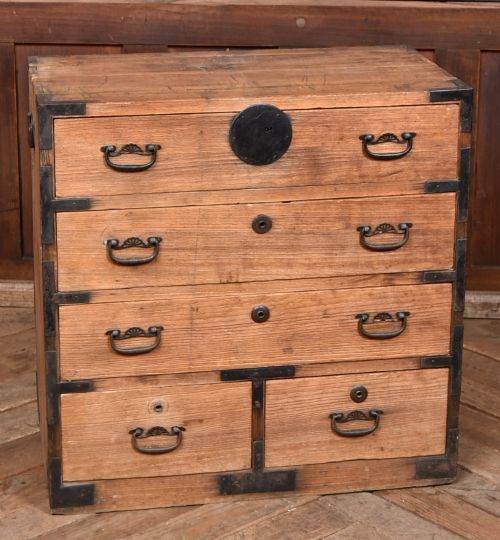
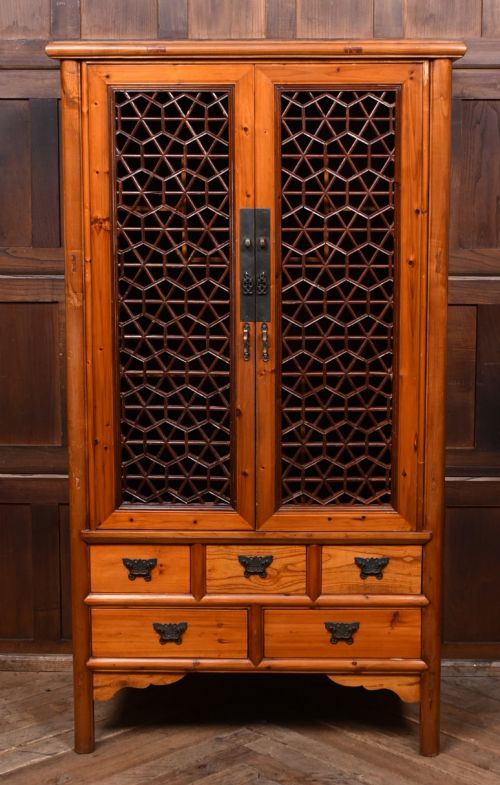
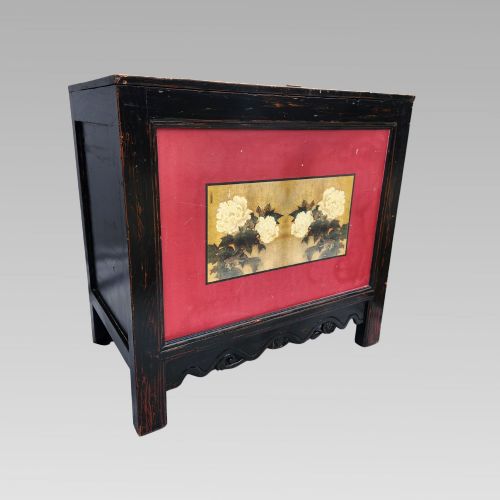
An asian wooden storage chest comprises traditional trunks, cabinets and blanket boxes originating from various regions across Asia. Buyers searching for an asian wooden storage chest frequently encounter nineteenth-century Japanese tansu chests, camphor wood trunks and Chinese lacquered storage furniture.
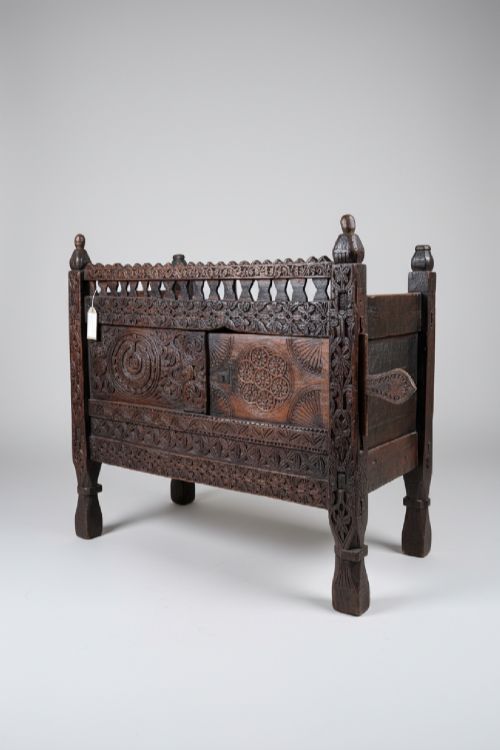
The forms range from step chests and wheeled merchant chests to dowry chests and side cabinets. Materials span elm, cedar, camphor wood and hardwood, often displaying brass or iron hardware.
How they were made
Makers utilised regional timbers such as elm, cedar, camphor wood and burr elm to construct these storage pieces. Wood selection depended on local availability and the specific structural demands of the trunk or cabinet.
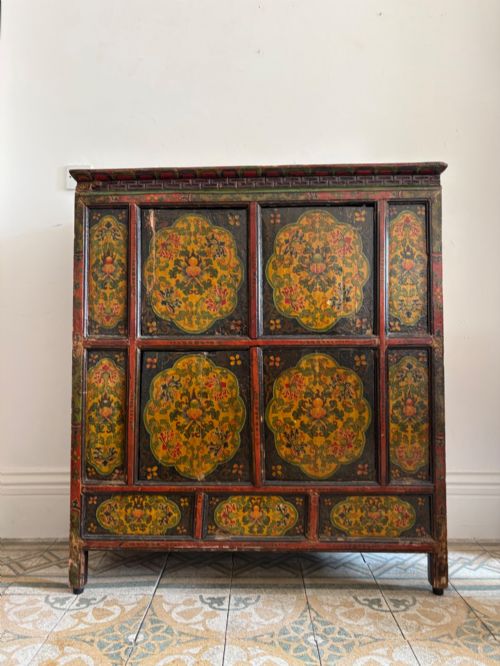
Metal hardware including brass and iron was fitted to reinforce corners and secure doors or lids. Surface finishes involved hand painting, floral decoration, inlay and red or black lacquer applications.
Listings feature eighteenth and nineteenth-century pieces alongside early twentieth-century examples, constructed from camphor wood, elm, cedar and hardwood.
What varies in quality
The standard of carving and the preservation of original surface finishes dictate the distinction between simpler boxes and highly decorated cabinets. Richly carved camphor wood panels and intricate mother of pearl inlays demonstrate superior workshop skill.
Hardware integrity and the retention of original lacquer or paint layers significantly influence the character of each piece. Retaining original metal mountings and natural timber grain integrity separates standard utilitarian boxes from finer examples.
The Asian Wooden Storage Chest Glossary
- Tansu
- A traditional Japanese mobile storage chest or cabinet fitted with drawers and sliding doors. These pieces served domestic storage needs in Japanese homes.
- Lacquer
- A durable resin finish applied to wooden surfaces to create a smooth, protective coating. It appears in red and black variants on Chinese and Japanese cabinets.
- Hardware
- Metal fixtures such as hinges, plates and locks made from brass or iron. They secure and reinforce the structural joints of chests and cupboards.
- Coffer
- A heavy wooden box or chest used for safekeeping valuables and textiles. These robust forms date back to the eighteenth century.
Asian Wooden Storage Chest: Frequently Asked Questions
How were camphor wood chests used?
Camphor wood chests served primarily as blanket boxes and luggage storage to protect textiles. The natural aroma of the wood helped deter insects.
Many examples feature carved exterior decoration and brass or iron mountings.
What periods do these chests date from?
The available pieces span from the eighteenth century through the nineteenth century and into the early twentieth century. Examples include Qing dynasty pieces and Meiji period Japanese work.
Dates reflect traditional manufacturing eras recorded across the listings.
Are these chests made of solid wood?
The pieces utilise traditional solid timbers including elm, cedar, camphor wood and burr elm. Structural joinery supports the weight of heavy storage boxes and cabinets.
Surface treatments like lacquer and paint are applied directly to the wooden foundations.