




Asian Stone Sculpture
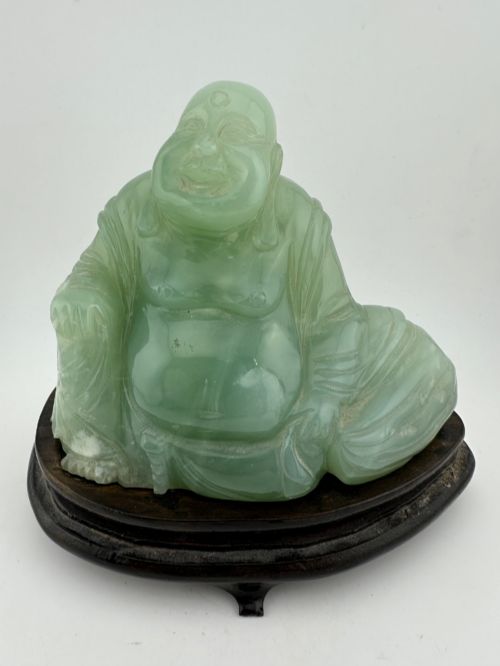
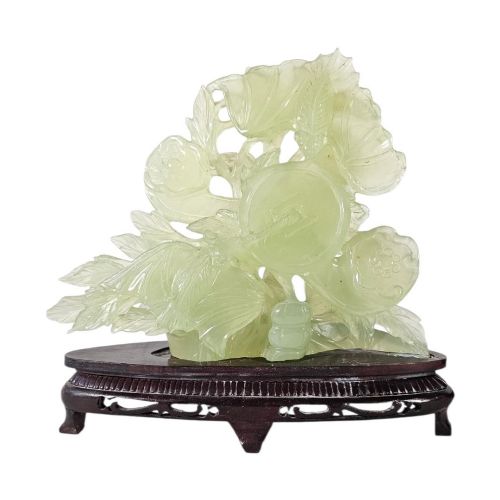
These pieces of asian stone sculpture bring carved jade, soapstone, and limestone into the room, ranging from ancient temple figures to delicate landscape groups.
Asian Stone Sculpture
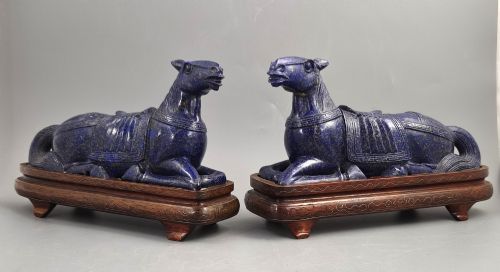
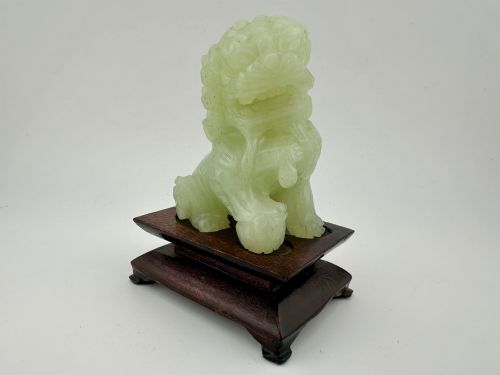
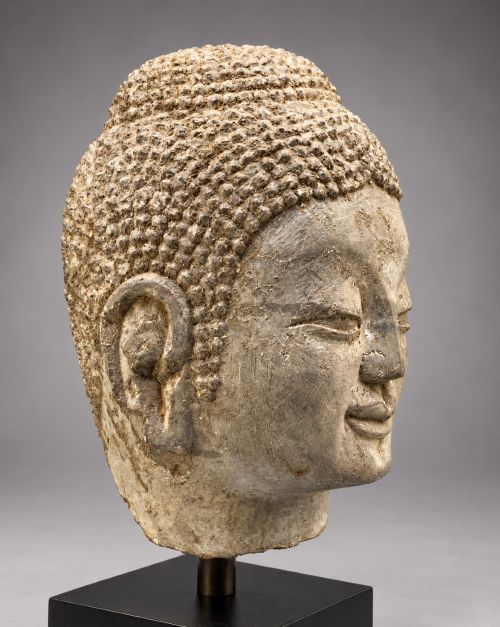
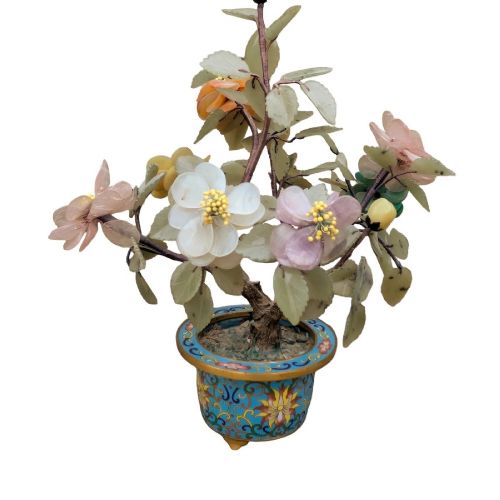
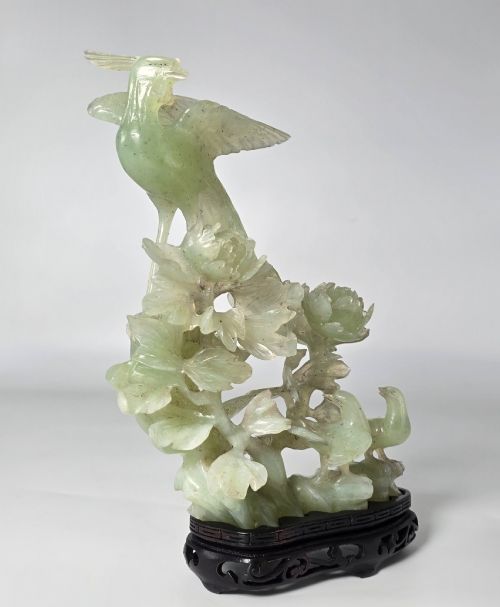
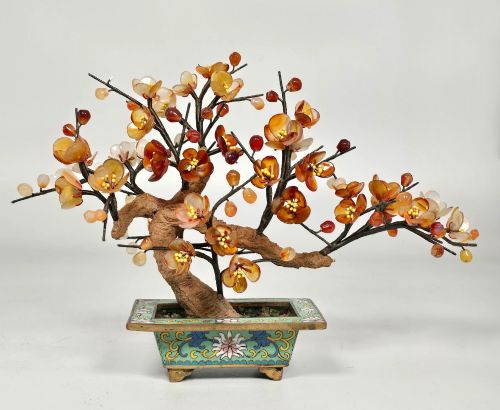
When you search for asian stone sculpture, you encounter carved figures, animals, and landscape groups originating from China and South East Asia. The selection spans centuries of carving traditions, taking forms such as Buddha heads, temple guardians, seals, and botanical bonsai arrangements.
You meet pieces fashioned from soapstone, hardstone, jade, quartz, limestone, marble, and sandstone. Many retain their original hardwood stands or sit integrated with metal supports.
The objects vary from monumental temple statues to miniature table ornaments and carved seals. The grouping covers pre-sixteenth century antiquities alongside nineteenth-century and early twentieth-century examples.
How they were made
Carvers shaped these works using mineral materials ranging from soft soapstone and alabaster to dense jade, quartz, bownite serpentine, and limestone. Each medium demanded distinct abrasive and cutting techniques to release the desired form from the raw block.
Many sculptures incorporate supplementary materials such as hardwood stands, cast iron bases, or cloisonne elements to anchor and elevate the main stone carving. Artisans polished surfaces to reveal the natural grain and translucency of the stone.
Asian Stone Sculpture Retail Price Guide 2026
Typical asking prices for asian stone sculpture among the pieces listed under this phrase on Sellingantiques today, from the lower quarter to the upper quarter. They describe what is for sale here now, not the wider market.
Camels, geese, roosters, and foo dogs all stare out from the stone.
What varies in quality
The degree of ambition in the carving separates standard decorative pieces from significant works. Finer examples display confident control over complex drapery, facial expression, and anatomical proportion.
Material selection dictates much of the standing of a piece, particularly the purity, colour variation, and translucency found in high-grade jade and hardstone. The integration of a well-fitted, patinated hardwood stand adds further weight to the finished object.
The Asian Stone Sculpture Glossary
- Soapstone
- A relative soft metamorphic rock composed largely of talc, frequently utilised for detailed figurative carvings and desk seals. Its softness permitted intricate undercutting.
- Hardstone
- A general term encompassing dense, durable stones such as jade, quartz, and serpentine that require specialised abrasive cutting. These materials take a high polish.
- Bonsai
- A representation of a miniature tree utilising carved hardstone leaves, petals, and branches mounted in a jardiniere. These decorative arrangements mimic natural growth.
- Serpentine
- A group of green silicate minerals often carved into animal and figure groups. Bowenite is a particularly tough variety found in historical Chinese carving.
- Jardiniere
- An ornamental pot or container holding botanical arrangements, often rendered in cloisonne or ceramic alongside stone foliage. They form the base of sculptural plant groups.
Asian Stone Sculpture: Frequently Asked Questions
How do I date an antique stone sculpture?
Dating relies on stylistic markers, tool marks, and the specific characteristics of the period, such as Ming Dynasty proportions or nineteenth-century carving depth. Comparing the piece to documented examples helps establish its era.
Material degradation and the patina on both the stone and any accompanying hardwood stand also provide clear indicators of age.
Where should I display a stone figure?
These sculptures suit stable surfaces where adequate lighting highlights the texture and translucency of the material. Placing them away from direct heat sources protects any integrated wood or resin components.
Heavier temple statues require sturdy furniture or dedicated stands to support their weight safely.
What is the difference between jade and hardstone?
Jade refers specifically to nephrite or jadeite minerals prized for their toughness and fibrous structure. Hardstone is a broader category that includes jade alongside quartz, bownite, and similar dense minerals.
Both materials demand specialised abrasive techniques rather than simple metal blades to carve.
How do I clean carved soapstone?
Soapstone is relatively soft and vulnerable to scratching, so cleaning requires only a dry or slightly damp soft cloth. Avoid harsh chemical cleaners or abrasive pads that damage the surface polish.
Regular gentle dusting prevents particulate buildup in the intricate recesses of landscape and figurative carvings.