
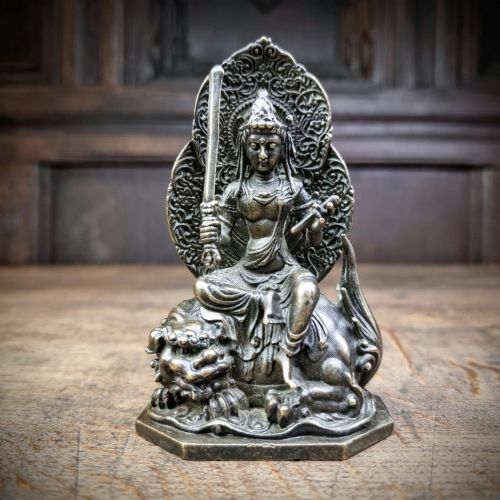


Asian Metalwork Figures
These asian metalwork figures bring centuries of sculptural tradition into the home through finely cast bronze, brass, and cloisonné enamel.
Asian Metalwork Figures
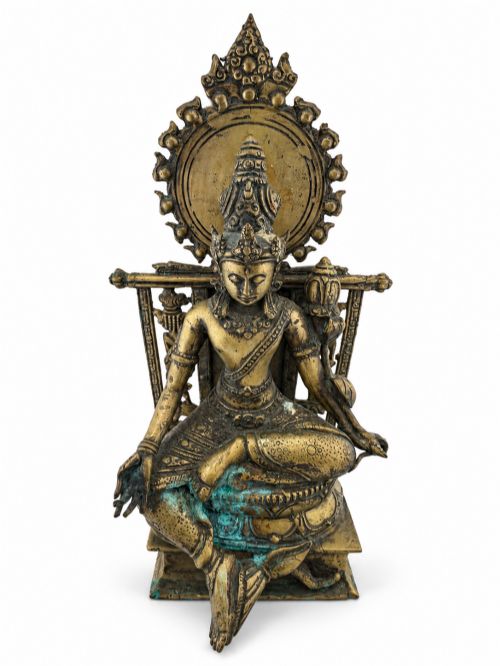
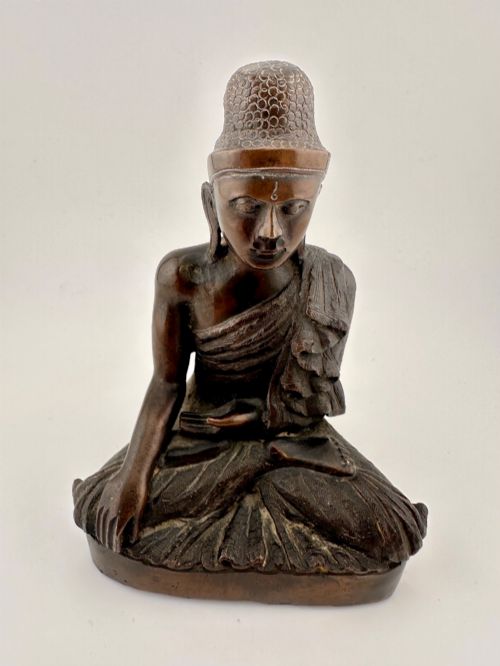
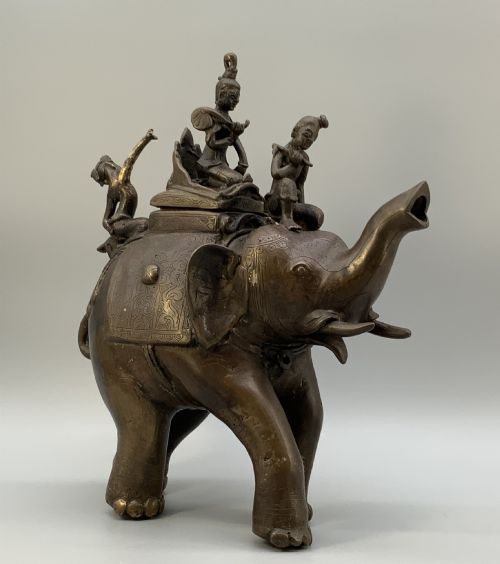
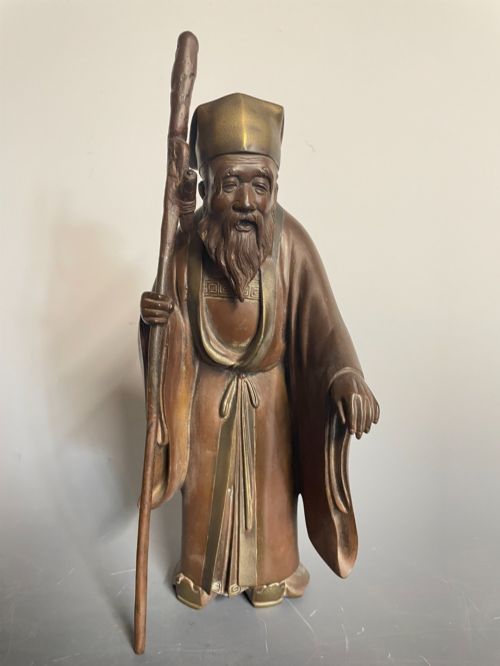
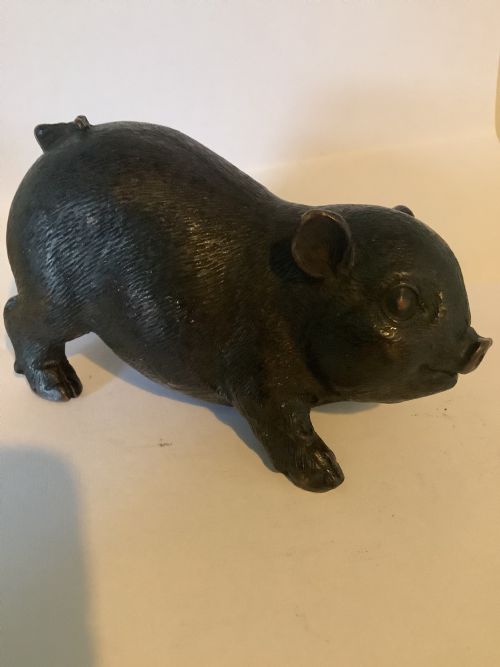
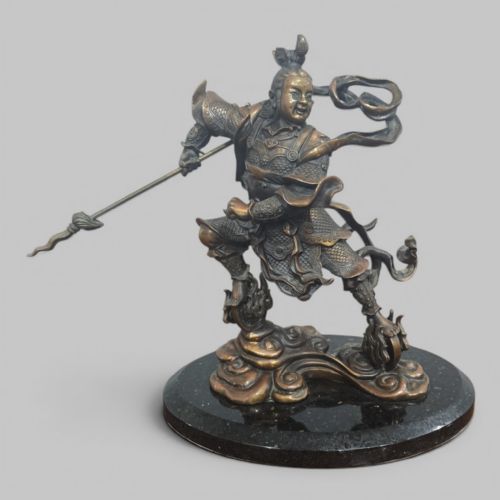
When you search for asian metalwork figures, you encounter sculptural works spanning centuries, originating from diverse regions including Japan, China, Tibet, India, and Burma. The selection centres heavily on cast bronze animals, deities, and cultural figures, often dating from the nineteenth century and the Meiji period.
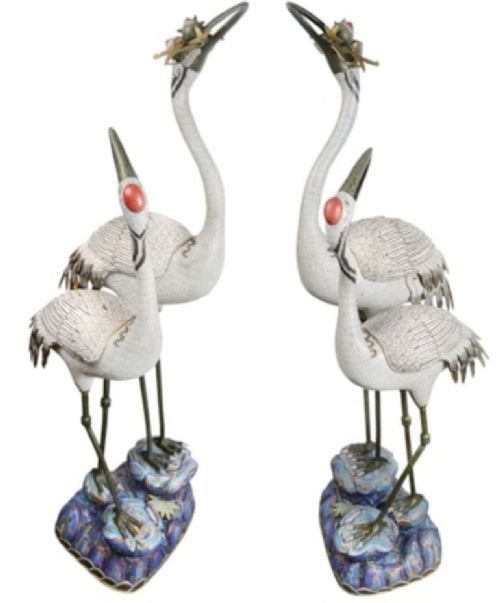
The forms vary widely from miniature okimono and scholar objects to large temple figures, cranes, elephants, and religious deities such as Buddha and Guanyin. Many pieces display specific regional styles, including Tibetan Buddhist shrines and Chinese imperial motifs.
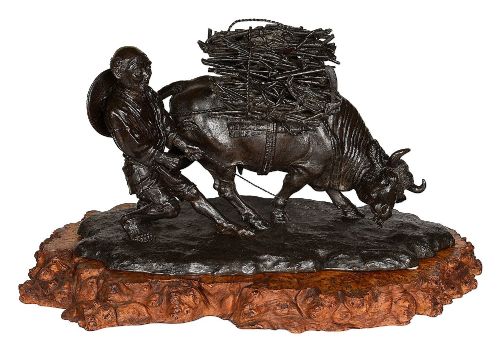
The objects frequently incorporate mixed media elements, such as wood bases or inlaid details, reflecting the distinct craftsmanship of their respective periods.
Assessing Quality
Quality rests upon the precision of the casting, the expressiveness of the form, and the crispness of any surface chasing or engraving. Pieces that retain their original patination and exhibit careful attention to anatomical or sculptural detail stand apart.
Scale and complexity also influence distinction, particularly in large multi-part compositions or signed works where the artisan's control over the metal medium is fully realised.
The periods represented stretch from the seventeenth century through the Qing dynasty and Meiji era into the early twentieth century.
Gyoko
The Asian Metalwork Figures Glossary
- Okimono
- A Japanese ornamental statue or sculpture designed for display in a domestic alcove. These figures range from animals to mythical beings and daily life subjects.
- Cloisonné
- A metalwork technique where enamel paste is applied within compartments created by soldered wire fillets on a brass or copper base. This method produces vibrant, patterned surfaces.
- Patinated Bronze
- Bronze that has been chemically treated to alter its surface colour and finish. This process creates deep brown, black, or greenish tones that enhance the visual depth of the sculpture.
- Meiji Period
- The era in Japanese history spanning from 1868 to 1912, known for significant developments in metal casting and decorative arts. Works from this period often display remarkable naturalism.
Asian Metalwork Figures: Frequently Asked Questions
What materials are these figures made from?
The pieces are predominantly cast in bronze, brass, copper, and copper alloy. Some examples incorporate cloisonné enamel for colourful surface patterns, while others sit on wooden bases.
Surface finishes include patinated bronze and occasional gilding, reflecting the traditional metalworking methods of each region.
How do I identify a Meiji period bronze?
Meiji period Japanese bronzes often depict natural subjects such as elephants, eagles, and woodcutters with high realism. Many of these larger okimono sculptures feature artist signatures.
They date from the late nineteenth to early twentieth century and show exceptional mastery in detail and casting technique.
Where did these metal sculptures originate?
The selections originate across Asia, with significant representation from Japan, China, Tibet, India, and Burma. Each geographic origin brings distinct cultural motifs, such as Buddhist deities or imperial animals.
Regional styles help determine whether a piece originates from an imperial Chinese workshop or a Tibetan temple setting.
How should I display large bronze figures?
Larger sculptures, such as temple lions, cranes, or elephants, require stable placement due to their weight. Many Japanese works come with fitted root wood bases that support the main bronze form.
Keeping them away from direct moisture helps preserve the patination and metal finish over time.