


Decorative Bronze Animals
These decorative bronze animals bring weight, movement and character to a room through solid metal sculpture.
Decorative Bronze Animals
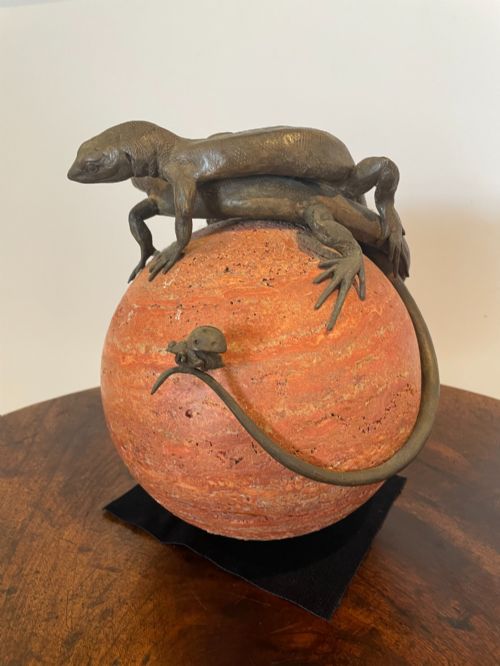
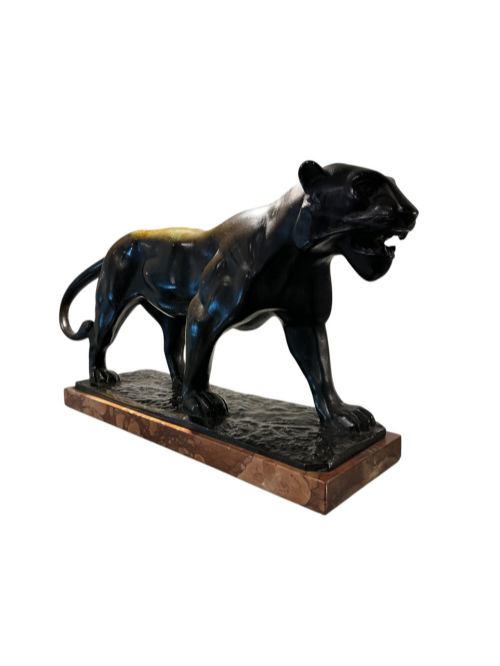
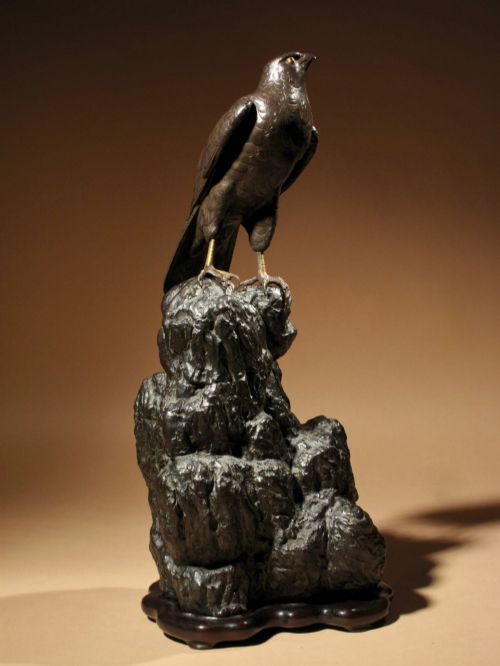
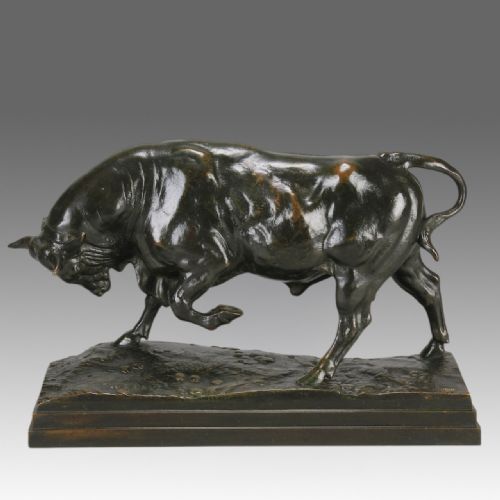
Decorative bronze animals encompass sculptures, bookends, and mantel clocks shaped as creatures from the natural world. These figures range from domestic dogs and farm bulls to wild panthers, hares, and birds of prey.
The pieces appearing here date from the eighteenth century through to the mid twentieth century. They draw upon European animalier traditions, Art Deco styling, and Asian art influences.
Many examples are mounted on stone or wooden bases, including marble, olive wood, and ordinary wood. Others stand alone as freestanding figures or serve functional roles as bookends and clocks.
How they were made
Foundries produced these pieces using metal casting techniques to shape bronze, gilt bronze, patinated bronze, silvered bronze, and sometimes spelter or brass. Artisans then finished the surfaces with patination, gilding, or silvering to define fur, feathers, and muscle structure.
Creators mounted the completed metal figures onto sturdy plinths of marble or wood, attaching them securely to create stable decorative objects.
A distinguished poodle clock stands ready to tell the time alongside a collection of leaping hares, resting panthers, and perched hawks.
What varies in quality
The selection of base materials, such as heavy marble or polished olive wood, alongside the reputation of the founder or sculptor, shapes the standing of each piece.
Antoine Louis Barye·C Omin·Edith Parsons·P J Mene·Barbedienne·Hessen Paris·Isidore Jules Bonheur
The Decorative Bronze Animals Glossary
- Animalier
- A nineteenth-century artistic movement focused on the realistic portrayal of animals. Sculptors in this tradition studied anatomy closely to capture creatures in motion or repose.
- Patinated bronze
- Bronze that has been treated with chemicals to produce a specific surface colour or tone. This process enhances the texture and depth of the metal.
- Gilt bronze
- Bronze that has been coated with a thin layer of gold. It provides a bright, reflective finish often seen on clocks and decorative ornaments.
- Spelter
- A zinc alloy frequently used as a less expensive alternative to bronze. It mimics the appearance of heavier metals after patination.
- Chasing
- The manual finishing of a metal casting using small punches and hammers. This technique refines surface details after the metal leaves the mould.
Decorative Bronze Animals: Frequently Asked Questions
What is an animalier bronze sculpture?
An animalier bronze sculpture is a nineteenth-century artwork depicting animals with careful attention to natural anatomy and posture. These pieces capture creatures in active or resting states.
Such sculptures often stand on naturalistic bases like rocks or earth, reflecting a strong interest in the natural sciences of the period.
How do I care for bronze animal sculptures?
Bronze figures require gentle dusting with a soft cloth to maintain their surface patination. Avoid harsh cleaning agents that can strip the protective finish.
Keeping them away from excessive moisture protects both the metal and any attached stone or wooden bases.
What is the difference between bronze and spelter?
Bronze is a heavy, durable copper alloy valued for its strength and ability to hold fine detail. Spelter is a softer zinc alloy that feels lighter and was often used for more affordable decorative items.
Objects made of spelter typically show a different weight and resonance when handled compared to solid bronze.
Why are some bronze animals mounted on marble?
Marble bases provide weight, stability, and a contrasting visual frame for metal sculptures and bookends. They elevate the artwork and protect the underside of the piece.
Different types of marble, such as decorative coloured varieties, also complement the specific tone of the bronze above.