


Vintage Asian Statues
These vintage asian statues bring centuries of ritual, myth and craftsmanship from diverse traditions directly into modern rooms.
Vintage Asian Statues
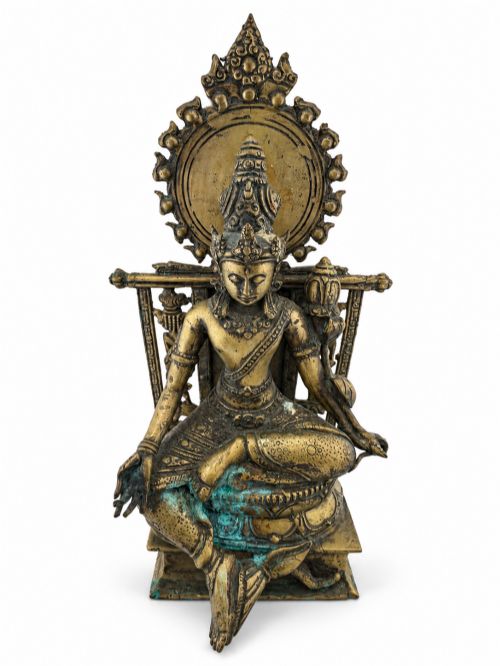
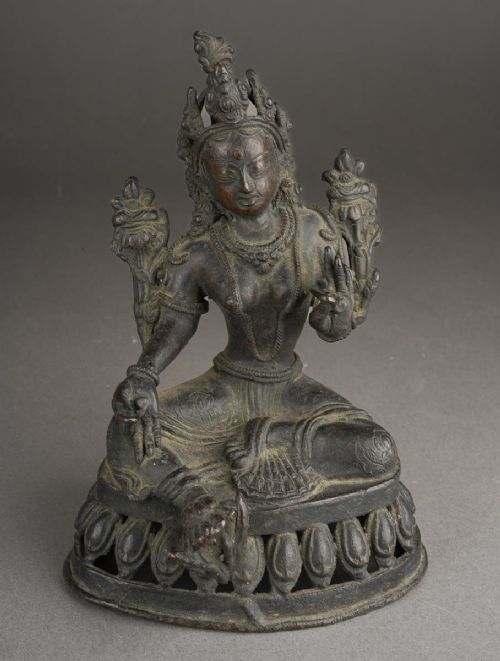
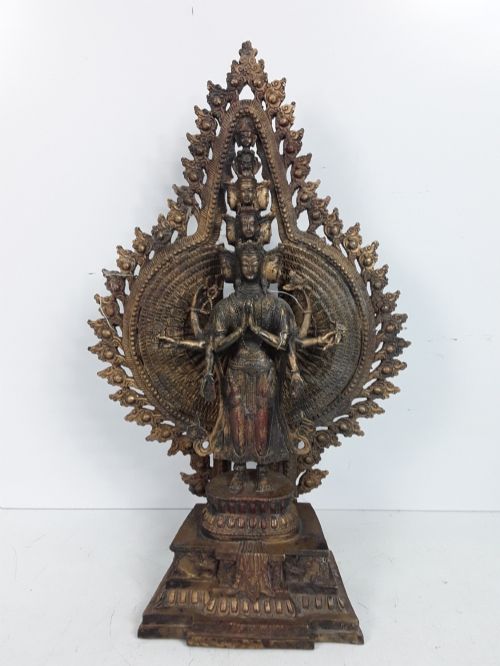
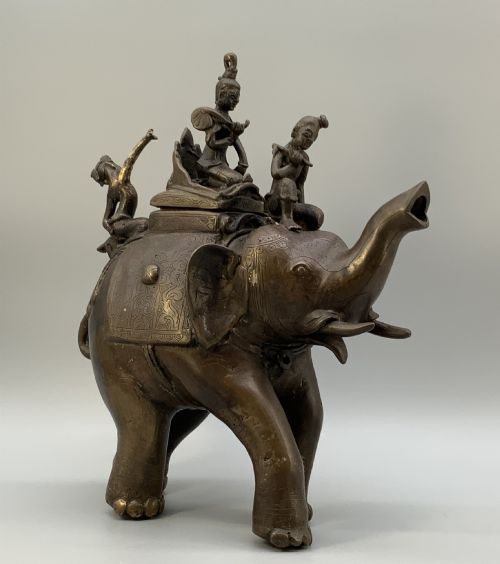
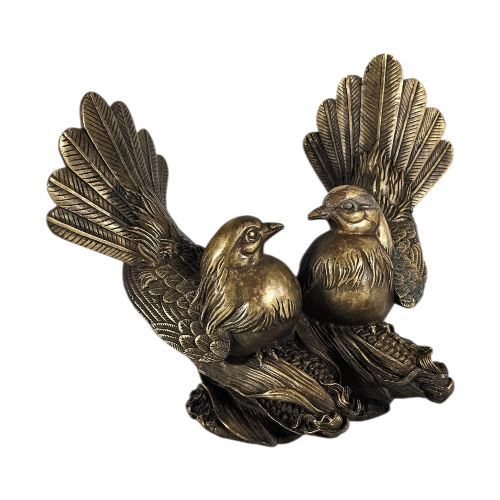
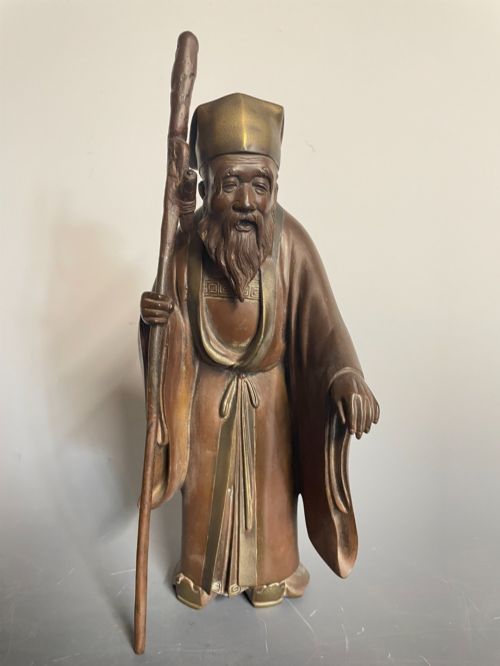
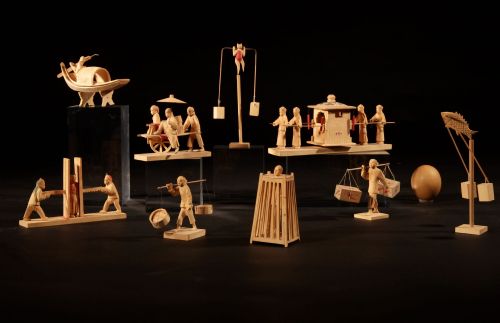
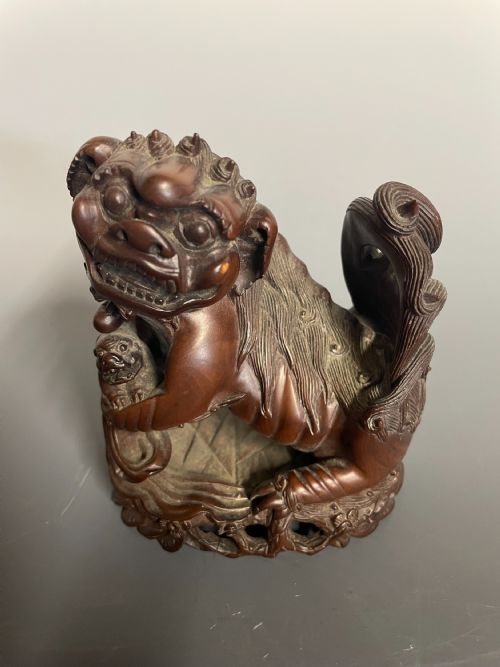
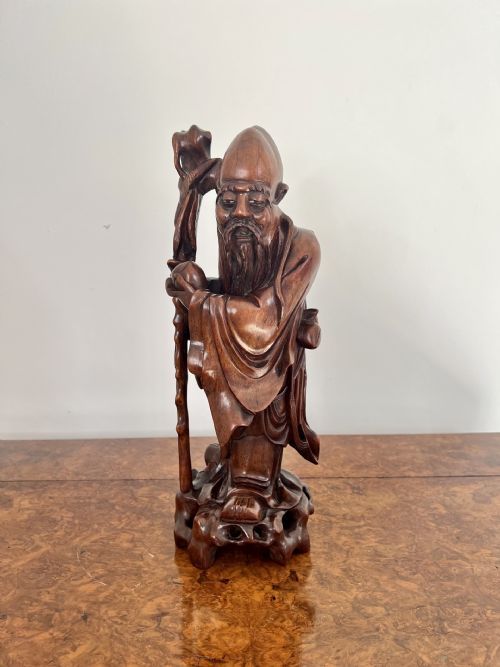
Vintage asian statues encompass a broad selection of sculptural forms, ranging from Buddhist deities and temple figures to depictions of animals and daily life.
The pieces appearing most frequently originate from Chinese, Japanese, Tibetan, Indian, and Southeast Asian traditions spanning the eighteenth, nineteenth, and early twentieth centuries.
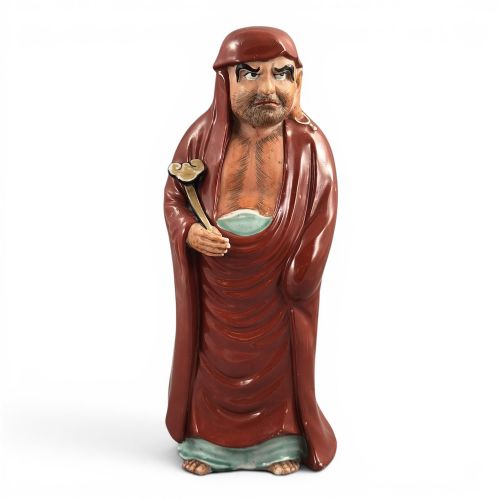
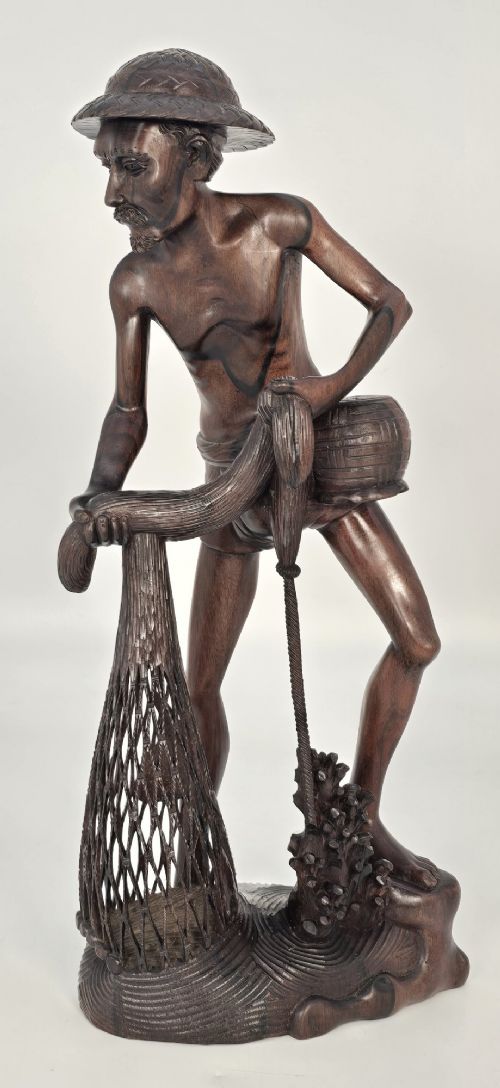
Buyers encounter everything from small wooden carvings and porcelain figures to substantial bronze shrines and ceramic roof ornaments.
Materials and Techniques
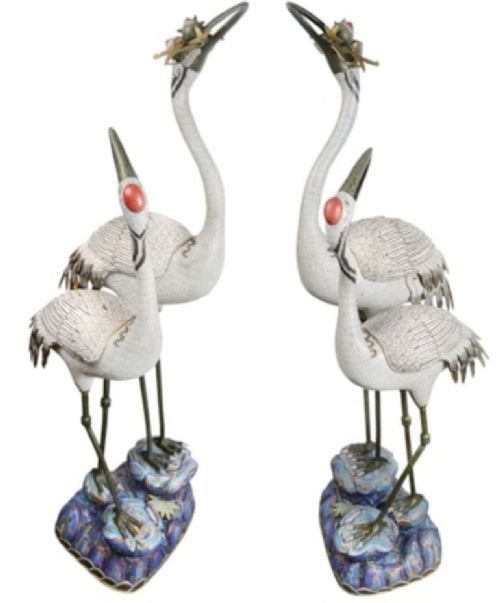
Metal sculptures rely heavily on traditional bronze casting, often finished with engraved details, patination, or cloisonné enamel work.
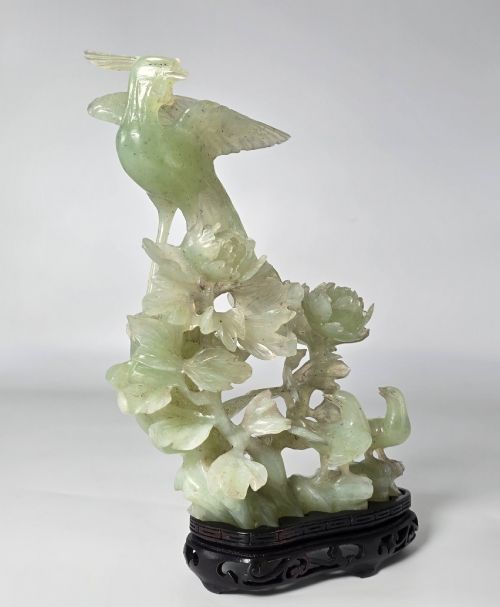
Ceramic and stone works utilise materials such as glazed pottery, porcelain, terracotta, and carved stone to form detailed figures and animals.
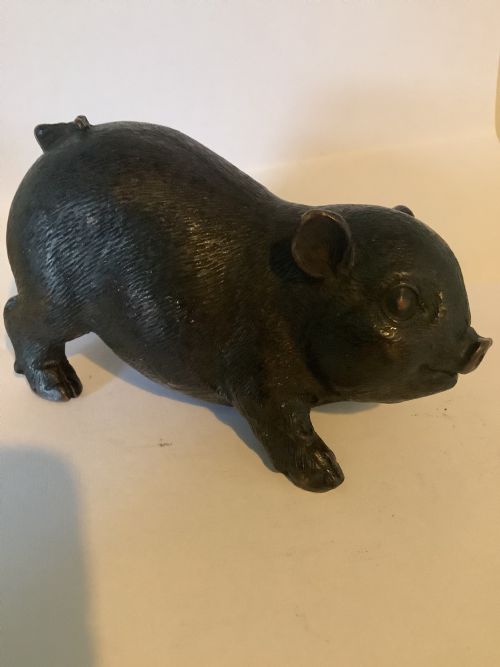
Among the menagerie of historical creatures, a ceramic pig stands shoulder to shoulder with golden cranes, galloping horses, and fierce temple guardians.
Distinctions in Execution
The degree of anatomical precision and the crispness of surface carving separate standard workshop output from exceptional sculptural work.
Subtlety in facial expression, surface patination, and the balance of proportions indicate the care taken by the original maker or foundry.
The Vintage Asian Statues Glossary
- Bronze
- An alloy of copper and tin utilised for durable cast sculptures and religious figures. It develops a natural patina over decades of handling and exposure.
- Cloisonné
- A metalwork technique where thin wire partitions are soldered to a base and filled with enamel paste before firing. This creates vibrant multi-coloured surface patterns.
- Okimono
- A Japanese term for a decorative object or standalone figurine intended for display in a domestic interior. These figures often depict mythical beings, historical figures, or animals.
- Sancai
- A traditional type of Chinese ceramic glaze employing three colours, predominantly amber, green, and cream-white, famously used on pottery figures.
- Patination
- The surface sheen and colour acquired by metal, wood, or stone through age and exposure to the environment. It acts as a primary indicator of historical authenticity.
Vintage Asian Statues: Frequently Asked Questions
How do I identify the origin of a bronze statue?
Examine the stylistic attributes of the clothing, hand gestures, and iconography, which typically align with specific regional traditions such as Tibetan Buddhism or Chinese dynastic styles. Inscriptions, marks, or distinct casting methods also provide strong geographical clues.
Compare the metal composition, surface patination, and tool marks against known examples from the same period to narrow down whether the piece originated in China, Japan, India, or the Himalayan regions.
Where were these statues originally displayed?
Many religious figures originated in domestic shrines, local temples, or monastic settings where they served as focal points for daily prayer and ritual devotion. Other decorative pieces were made specifically for scholar's desks, interior display, or architectural placement.
Figurines and animal carvings often occupied prominent positions within traditional homes, signifying prosperity, protection, or cultural stories.
How should I care for a carved wooden sculpture?
Keep wooden figures away from direct sunlight and sudden shifts in temperature or humidity to prevent the natural material from splitting or warping. Dust them gently with a soft, dry cloth without applying modern chemical polishes.
Maintaining a stable indoor climate helps preserve the original gesso, paint, or gilt surface layers found on older wooden carvings.
What does patination mean for bronze?
Patination refers to the thin chemical layer that forms on the surface of bronze over a long period through oxidation and handling. It produces subtle tonal variations that enhance the visual depth of the sculpture.
Collectors value original patination because it confirms the age of the metal and protects the underlying bronze from active corrosion.