


Bronze Equine Ornaments
Bronze equine ornaments capture the power of the horse through enduring cast metal.
Bronze Equine Ornaments
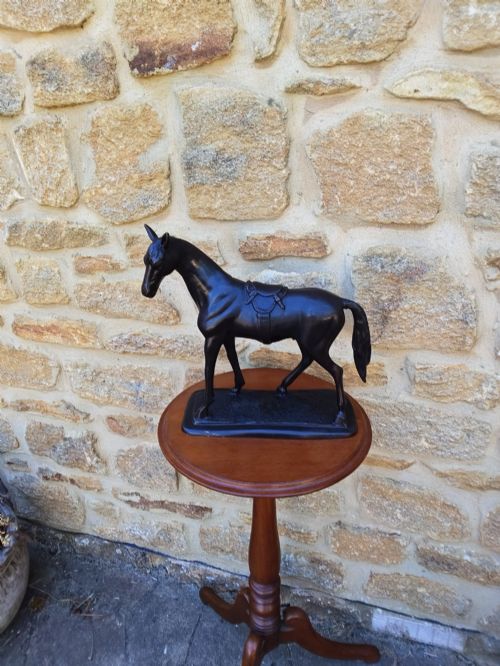
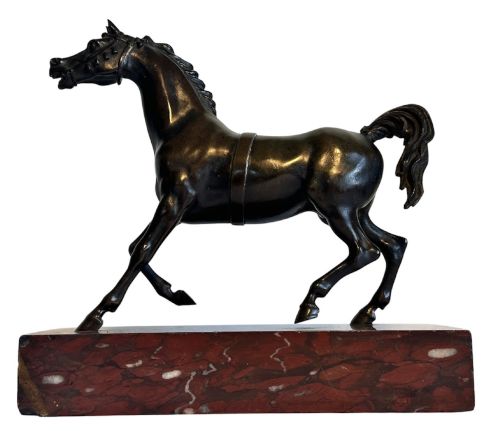
Bronze equine ornaments encompass sculptures and statues depicting horses across various historical periods, notably the nineteenth and early twentieth centuries. These pieces range from small figurines to large statues, often mounted on bases of marble or onyx.
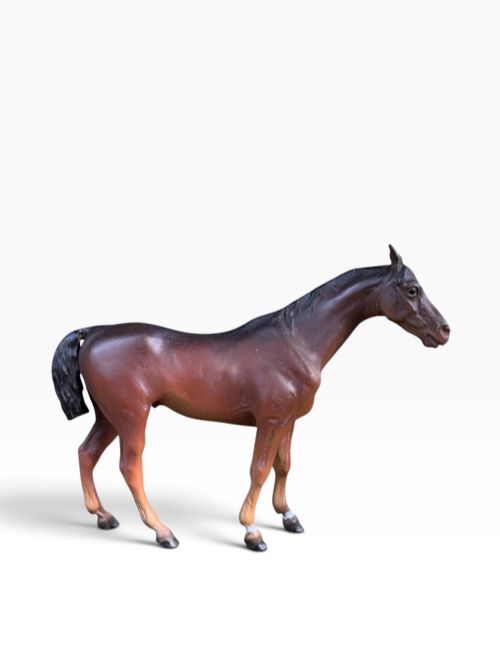
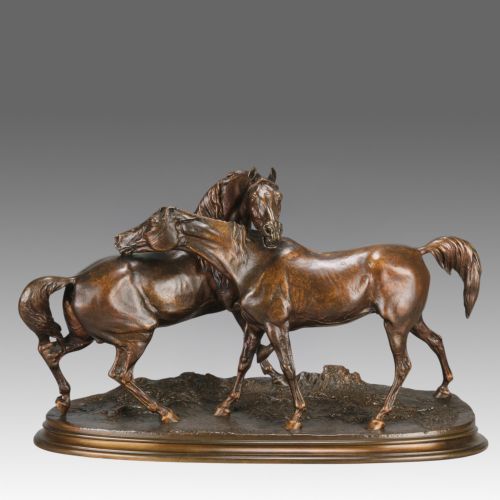
The versions most frequently encountered on this page stem from the Animalier movement, French schools, and Viennese workshops. Examples include depictions of individual stallions, paired horses, and models influenced by Chinese and Japanese aesthetics.
Makers utilised different finishing techniques, resulting in patinated surfaces, cold painted highlights, or bronzed metal finishes. Each piece reflects the sculptural style of its era, moving from French Neoclassical realism to stylised Art Deco forms.
How they were made
Foundries produced these sculptures primarily through casting bronze, employing methods that allowed for fine anatomical detail in the musculature and posture of the horse. Cast bronze pieces were frequently mounted onto heavier stone plinths made of marble or onyx to provide stability.
Surface treatments define the visual character of many items, with workshops applying patinated finishes or employing cold painting techniques on bronze. Some items utilise alternative compositions such as bronzed metal, while others incorporate signatures or foundry marks directly into the casting.
Several horses manage to look entirely regal while frozen mid-rear on solid blocks of stone.
What varies in quality
The fidelity of the anatomical modelling and the crispness of the cast separate superior sculptures from simpler commercial models. Finer pieces retain sharp details in the mane, hooves, and musculature without obscuring them beneath heavy patination or thick paint.
The integration between the horse and its base also indicates quality, where fitted marble or onyx plinths complement the bronze rather than serving merely as heavy supports. Furthermore, the presence of distinct patination, artistic signatures, or documented foundry origins elevates the standing of a piece.
P J Mêne·Pierre Jules
The Bronze Equine Ornaments Glossary
- Animalier
- A nineteenth-century artistic movement focused on the realistic portrayal of animals. Sculptors in this tradition captured creatures in dynamic motion or repose.
- Cold painted bronze
- A method where paint is applied to a cold bronze surface and treated, rather than fired in a kiln. This technique is particularly associated with Viennese workshops.
- Patinated bronze
- Metal treated with chemical solutions to produce a specific surface colour or aged tone. This coating protects the bronze while enhancing its visual depth.
- Marley horses
- Large sculptural groups depicting rearing horses restrained by handlers. They originate from monumental works created for French royal residences.
Bronze Equine Ornaments: Frequently Asked Questions
How do I identify an Animalier bronze?
Animalier sculptures focus closely on the natural anatomy and behaviour of animals rather than idealized human subjects. Look for expressive postures and detailed musculature typical of nineteenth-century French and European casting.
Signatures or foundry stamps often appear near the base of the sculpture, though unsigned works remain common. Comparing the casting quality helps determine the origin and period of the piece.
What is cold painted bronze?
Cold painted bronze refers to metal sculptures painted with layers of pigment that are not subjected to high-temperature kiln firing. This technique allowed workshops to apply vibrant, multi-coloured finishes to small animal figures.
Over time, handling can cause areas of the paint to wear gently, revealing the bronze underneath. Collectors often value pieces that retain a high percentage of their original painted surface.
Why are some horses mounted on marble?
Marble and onyx bases provided necessary weight and balance for heavy metal sculptures, keeping them stable on furniture. They also offered a clean architectural contrast to the dark patinated bronze.
The type of stone often helps date the ornament, as specific marbles were favoured during distinct periods like the Victorian era and the Art Deco years.
How should I clean a bronze horse?
Dust bronze sculptures gently with a soft, dry cloth to prevent the accumulation of grit in the recesses of the casting. Avoid using water, polishes, or chemical cleaners, which can strip the original patina or damage cold painted surfaces.
If the piece has a stone base, take care not to let abrasive materials scratch the polished marble or onyx surface during routine maintenance.