

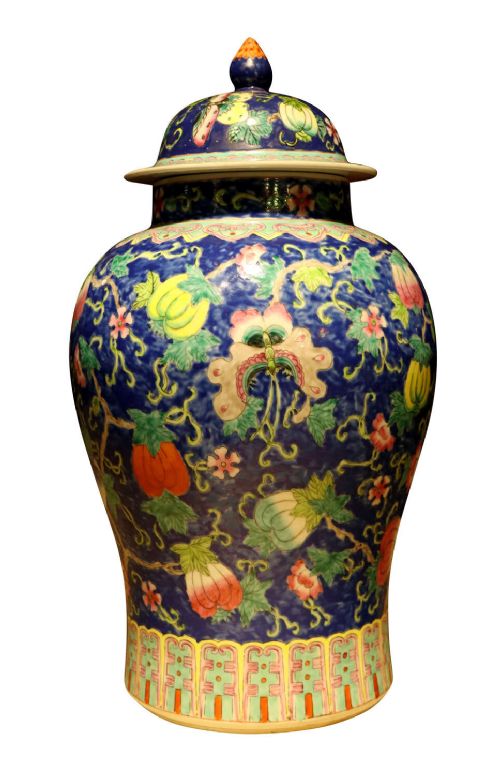


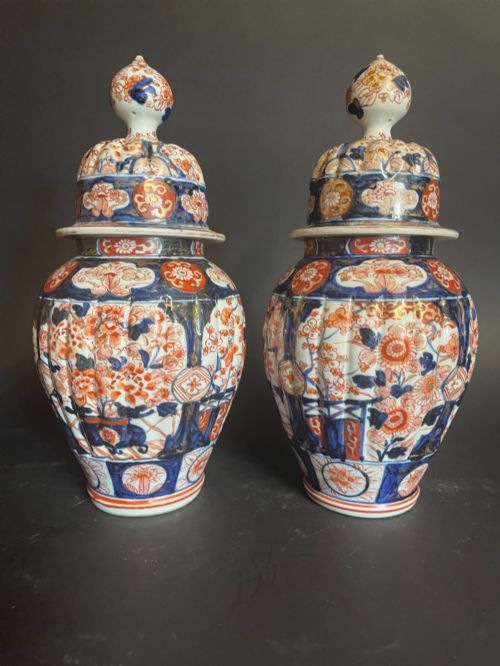


Asian Lidded Ginger Jar
These asian lidded ginger jar pieces bring centuries of decorative tradition into the home through intricate painted porcelain and detailed cloisonne work.
Asian Lidded Ginger Jar
An asian lidded ginger jar brings together centuries of eastern decorative arts, taking forms originally designed for spice storage and turning them into cabinet display pieces. Buyers examining this page will find vessels ranging from nineteenth-century Japanese examples to Chinese export porcelain.
The selections span distinct periods including the Meiji era and the Victorian epoch, offering both matched pairs and individual pots. Forms shift between traditional rounded ginger profiles, elongated gourd shapes, and kamcheng jars complete with original covers.
Origin points encompass Japanese Kutani and Satsuma wares alongside Chinese blue and white porcelain. These objects serve purely decorative functions today, displayed on side tables or within dedicated display cabinets.
What varies in quality
Quality rests upon the precision of the hand-painted brushwork or the exactness of the wirework cells in cloisonne pieces. Finer examples display tightly controlled geometric patterns and detailed pictorial scenes without blurring or misaligned colour registers.
The weight and finish of the underlying porcelain or metal body also distinguish superior items. Well-preserved original covers that fit their respective vessels precisely add significantly to the integrity of the piece.
Asian Lidded Ginger Jar Retail Price Guide 2026
Typical asking prices for asian lidded ginger jar among the pieces listed under this phrase on Sellingantiques today, from the lower quarter to the upper quarter. They describe what is for sale here now, not the wider market.
Some lidded jars have lived such sheltered lives they still fit together with a satisfying pneumatic pop.
The Asian Lidded Ginger Jar Glossary
- Imari
- A style of Japanese export porcelain decorated in underglaze blue, iron red, and gold. This palette was widely produced for western markets during the nineteenth century.
- Cloisonne
- An enamel technique where metal wires create compartments on a copper or brass base to hold coloured glass pastes. The finished object is fired and polished smooth.
- Kamcheng
- A type of covered ceramic jar originating from Chinese kilns, traditionally used for storage and food containment. These pieces often feature polychrome enamel decoration.
- Satsuma
- Japanese earthenware pottery characterised by a ivory craquelure glaze and ornate polychrome and gilt decoration. These wares became popular exports in the late nineteenth century.
- Meiji Period
- The era of Japanese history spanning from 1868 to 1912, marked by a surge in decorative arts created for international trade. Pieces from this time show exceptional metal and ceramic craftsmanship.
Asian Lidded Ginger Jar: Frequently Asked Questions
What were ginger jars originally used for?
These vessels were originally manufactured in China to store and transport spices, salt, and oils. Their broad shoulders and secure lids kept the contents protected during trade.
Over time, Western collectors repurposed them purely as decorative display items. Their practical beginnings gave way to intricate artistry.
How do I date a Japanese ginger jar?
Dating relies on identifying specific stylistic markers, manufacturing techniques, and material traits associated with eras like the Meiji period. Nineteenth-century examples often exhibit distinct hand-painted enamel palettes or dense cloisonne wirework.
Maker marks on the base can also provide clues, though many export pieces left factories unmarked. Comparing form and glaze characteristics against documented pieces helps narrow the decade.
Are these jars waterproof?
Most antique ceramic and metal jars are not guaranteed to hold water securely. Glazes on older earthenware and porcelain can develop hairline cracks or crazing over long periods.
It is safer to use them dry or place a small hidden container inside if you wish to display fresh stems. Preserving the interior material prevents accidental damage from moisture.