








Floral Enamel Ceramic Jar
These floral enamel ceramic jar examples bring vibrant hand-painted colour and intricate botanical motifs straight into your home.
Floral Enamel Ceramic Jar
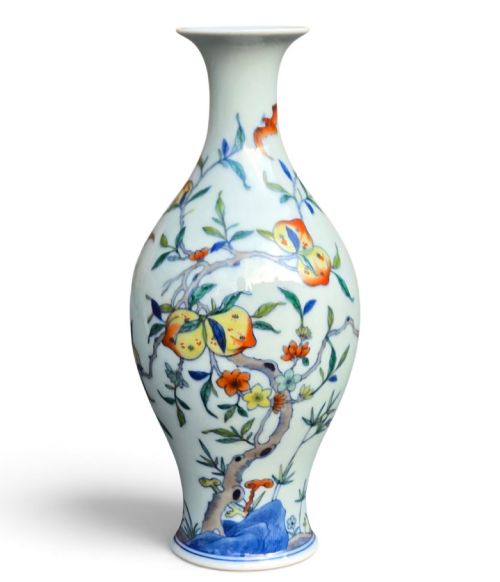
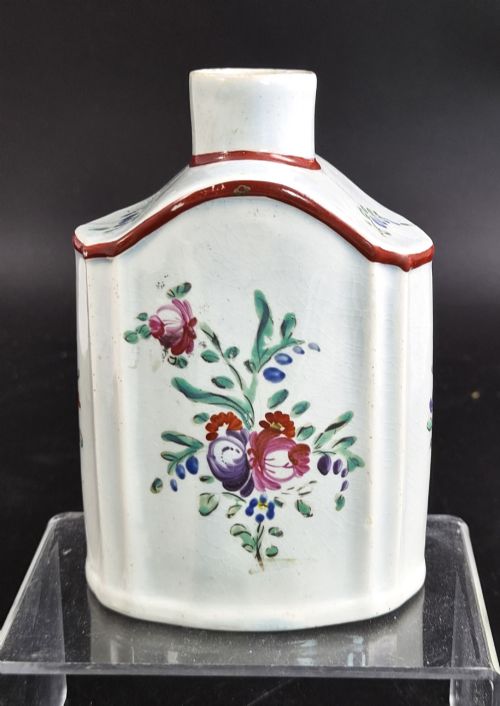
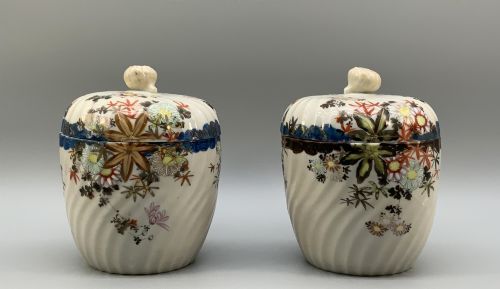
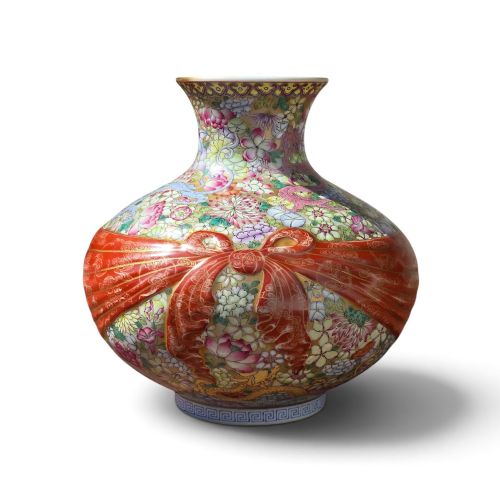
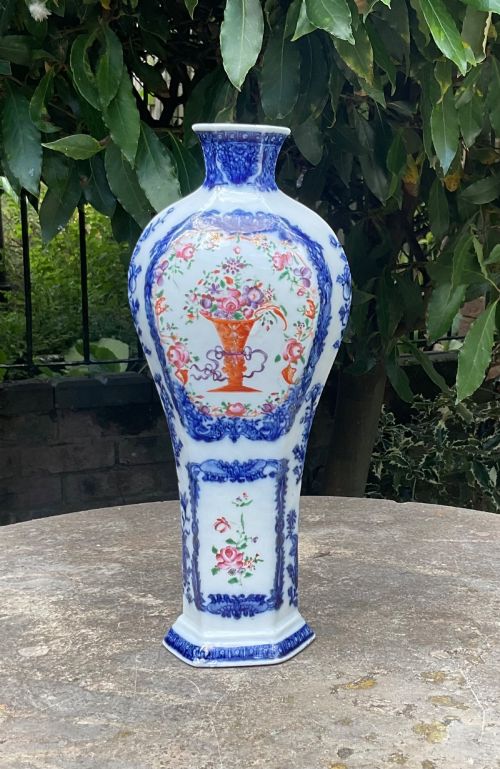
A floral enamel ceramic jar encompasses a diverse array of lidded vessels, tea canisters, and ginger jars decorated with botanical and painted designs. When you search for this phrase, you encounter objects spanning the eighteenth, nineteenth, and twentieth centuries, originating from English potteries, Japanese kilns, and Chinese workshops.
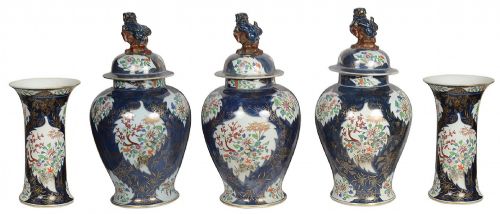
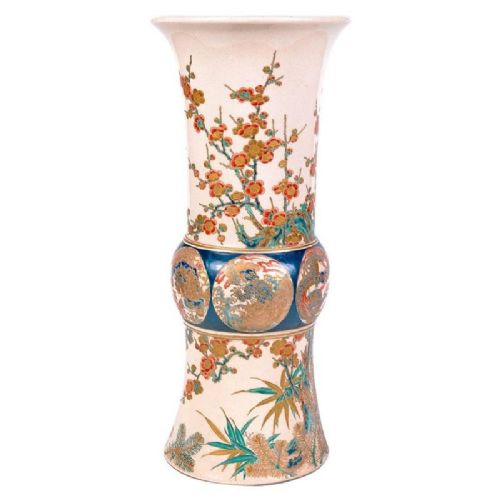
The pieces on this page lean heavily towards East Asian and European ceramic traditions, including Chinese Famille Rose, Japanese Satsuma, and Leeds creamware. Forms range from utilitarian tea canisters to large garniture vases and lidded ginger pots, each utilising painted floral surfaces.
These vessels demonstrate the widespread appeal of botanical decoration across multiple eras and continents, uniting traditional pottery shapes with colourful enamel palettes. Buyers encounter both utilitarian storage canisters and purely decorative display urns.
Materials and techniques
Craftsmen shaped these items using ceramic bodies such as porcelain, earthenware, and creamware, forming the foundational structure for the vessel. Artisans then applied colourful enamel glazes over or under the fired base, often incorporating hand-painted details and gold leaf.
Kiln firing fixed the vitrified coatings and metallic oxides to the clay or porcelain surface, producing durable finishes that retained their brilliance over centuries. Potters utilised specialised techniques suited to their region, from European slip and tin-glaze methods to Asian polychrome enamel layering.
Floral Enamel Ceramic Jar Retail Price Guide 2026
Typical asking prices for floral enamel ceramic jar among the pieces listed under this phrase on Sellingantiques today, from the lower quarter to the upper quarter. They describe what is for sale here now, not the wider market.
Listings span earthenware, creamware, and porcelain bodies, decorated with enamel glaze, gold leaf, and hand-painted floral motifs across several centuries.
Judging quality in enamel ceramics
Quality rests in the precision and complexity of the brushwork across the botanical decoration, distinguishing hurried factory output from master painter execution. The clarity and vibrancy of the enamel glaze, along with the crispness of the underlying ceramic form, dictate the overall standing of the piece.
The sophistication of the palette and the integration of secondary elements, such as gold leaf accents or dual dragon motifs, elevate certain examples above standard production. Surviving condition also plays a role, with intact lids and undisturbed enamel surfaces marking the upper tier of the range.
The Floral Enamel Ceramic Jar Glossary
- Famille Rose
- A major palette of Chinese ceramic glazes introduced in the eighteenth century, distinguished by opaque pink or rose enamel colours. This style allowed for nuanced shading and detailed floral depictions.
- Creamware
- A refined earthenware developed in eighteenth-century England, characterised by a pale yellowish-cream glaze. Leeds Pottery produced notable examples of this lightweight ceramic body.
- Garniture
- A set of matching vases or pots designed for display together on a mantelpiece or cabinet top. These matched groupings often feature graduating sizes or complementary lidded forms.
- Satsuma
- A type of earthenware pottery from Japan featuring a cracked ivory glaze decorated with polychrome enamels and gilding. Pieces from the Meiji period often display dense floral and figural scenes.
- Ginger Jar
- A broad-shouldered ceramic vessel with a domed lid, originally designed for storing spices and herbs. Later iterations functioned primarily as decorative interior ornaments.
Floral Enamel Ceramic Jar: Frequently Asked Questions
What is a floral enamel ceramic jar?
A floral enamel ceramic jar is a lidded vessel, ginger jar, or tea canister decorated with colourful painted botanical motifs. These pieces utilise ceramic bases finished with vitrified enamel glazes.
They originate from various historic periods and global ceramic traditions, combining practical storage forms with ornamental painting.
Where were these jars made?
The pieces seen here originate from multiple regions, including European potteries in England and Italy alongside East Asian kilns in China and Japan. Each region applied distinct local ceramic bodies and regional enamel painting styles.
Chinese export workshops, Japanese Meiji period kilns, and English factories like Leeds all contributed to this global tradition.
How are lids matched?
Historic lidded vessels often relied on exact kiln-firing pairings or careful post-production fitting to ensure the cover rested securely on the neck. Lids share the same ceramic body and enamel palette as the base jar.
Matching lids remain a key consideration when assessing the completeness of lidded jars and tea canisters.
Can I use these for tea?
While historic forms like tea canisters originally served to store dry tea leaves, antique ceramic pieces now function primarily as decorative objects. Using them for food or liquid storage risks damaging fragile historic enamels and old ceramic bodies.
Display these vessels in stable indoor environments away from direct sunlight and moisture.