



Chinese Enamelled Jar Lid
A Chinese enamelled jar lid is a colourful ceramic or metal top that completes a lidded vessel and catches the eye with traditional decoration.
Chinese Enamelled Jar Lid
When you search for a Chinese enamelled jar lid, you are looking at small removable covers that top ginger jars, baluster vases, and lidded vessels. These pieces range from the nineteenth century into the twentieth century, covering Qing Dynasty and Republic Period aesthetics.
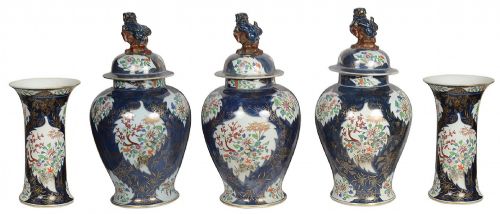
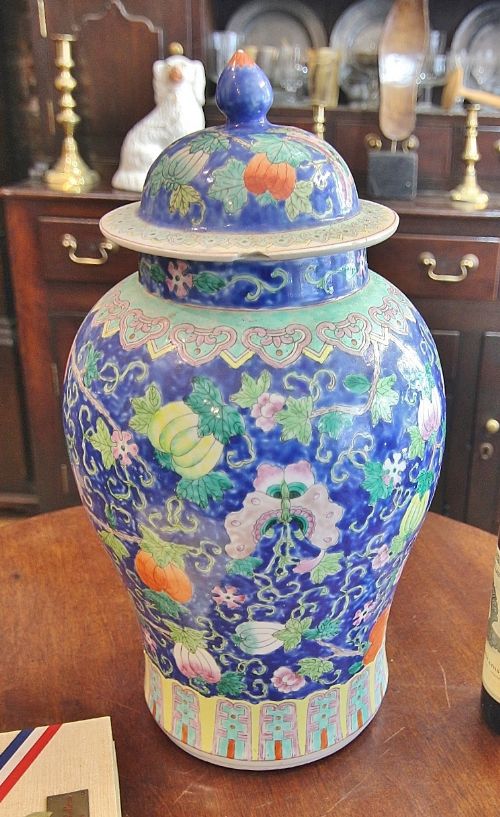
The versions you meet on this page include hand-painted porcelain covers with Famille Rose or Rose Mandarin designs, alongside metal cloisonne lids that feature vibrant enamel work. Many form part of pairs or larger garniture sets.
Forms extend from traditional ginger jars to large vases and decorative incense burners, each retaining its matching cover. They bridge functional storage and intricate decorative display.
How they were made
Makers shaped porcelain or metals like copper and brass to form the base structure of the lid. Potters used ceramic clay and glaze, while metalworkers formed vessels out of copper and brass.
Artisans applied enamel and gold leaf by hand to create detailed coloured patterns across the surface. Cloisonne technique involved soldering thin metal wires to form cells which were then filled with enamel before firing.
Chinese Enamelled Jar Lid Retail Price Guide 2026
Typical asking prices for chinese enamelled jar lid among the pieces listed under this phrase on Sellingantiques today, from the lower quarter to the upper quarter. They describe what is for sale here now, not the wider market.
What varies in quality
Quality shows in the precision of the hand painting and the crispness of the enamel work across the surface. Finer examples display careful brushwork and harmonious colour placement without blurring.
The integration between the jar and its lid indicates the maker's original skill, as well as the preservation of delicate gilding and brass or copper mounts over time.
The Chinese Enamelled Jar Lid Glossary
- Cloisonne
- Enamelwork in which coloured areas are separated by thin metal strips soldered to a metal base. This technique creates a distinct cellular pattern across the surface of the lid.
- Famille rose
- A palette of opaque enamel colours dominated by pink, introduced in Chinese porcelain decoration. It allowed for subtle shading and realistic floral depictions.
- Ginger jar
- A ceramic vessel originally used to store and transport spices, featuring a wide mouth and a fitted cover. Surviving examples often retain their original matching lids.
- Gilding
- The application of a very thin layer of gold leaf or gold powder to a surface. It highlights specific decorative motifs on porcelain and metalwork.
Chinese Enamelled Jar Lid: Frequently Asked Questions
What is a Chinese enamelled jar lid?
A Chinese enamelled jar lid is the matching removable cover for a decorative ginger jar, vase, or lidded vessel. These pieces showcase traditional painting and metalwork techniques from the nineteenth and twentieth centuries.
They serve both a functional purpose in sealing the vessel and a decorative role through colourful enamel and gilt ornamentation.
How do I date a Chinese jar lid?
Dating relies on examining the materials, construction methods, and stylistic markers such as Qing Dynasty or Republic Period motifs. Porcelain bodies, cloisonne wirework, and enamel palettes offer clues to the era of production.
Comparing the lid to established periods like the nineteenth century helps narrow down its age.
How should I display a lidded jar?
Displaying a lidded jar involves placing the vessel on a stable surface where its enamel colours and decorative motifs are visible. Keeping the jar and its matching lid together preserves the historical integrity of the piece.
Positioning them away from direct sunlight protects the delicate enamels and gold leaf.