

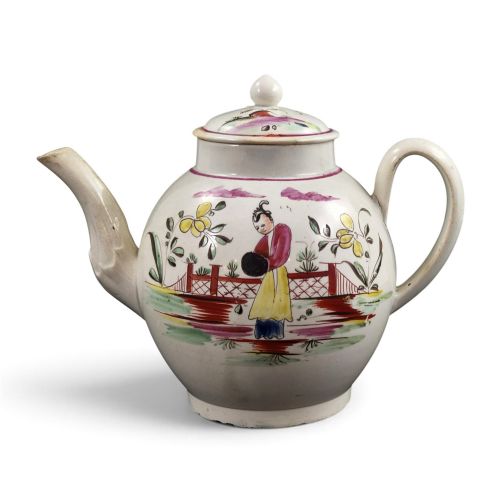
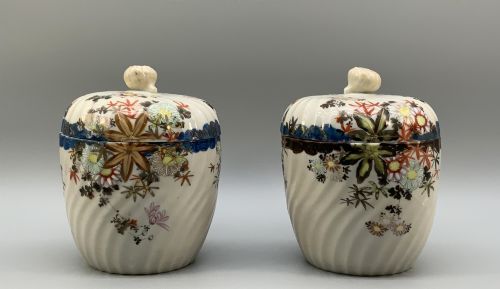
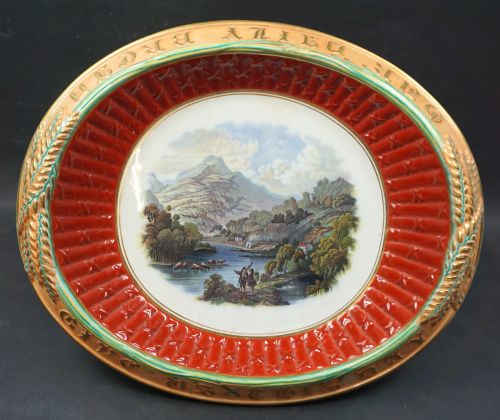
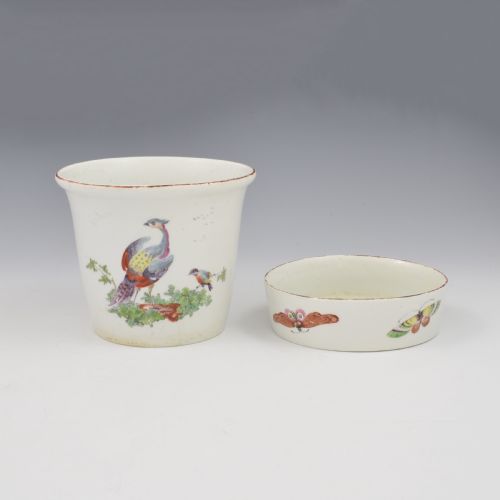

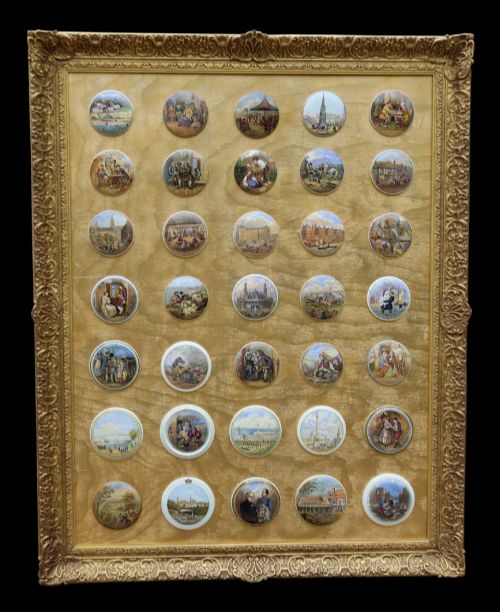


Polychrome Ceramic Pot
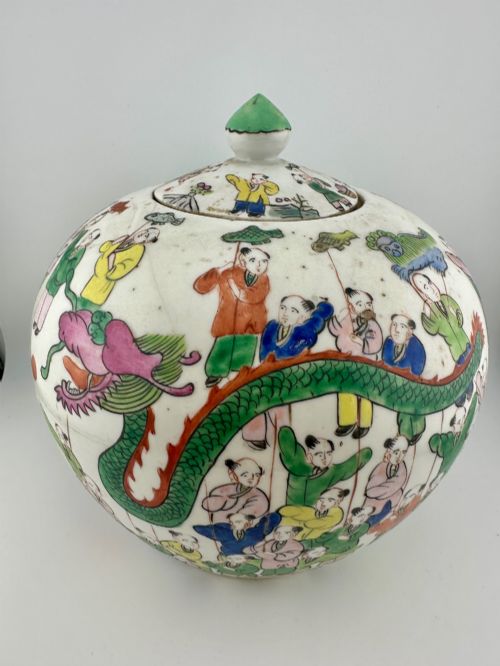
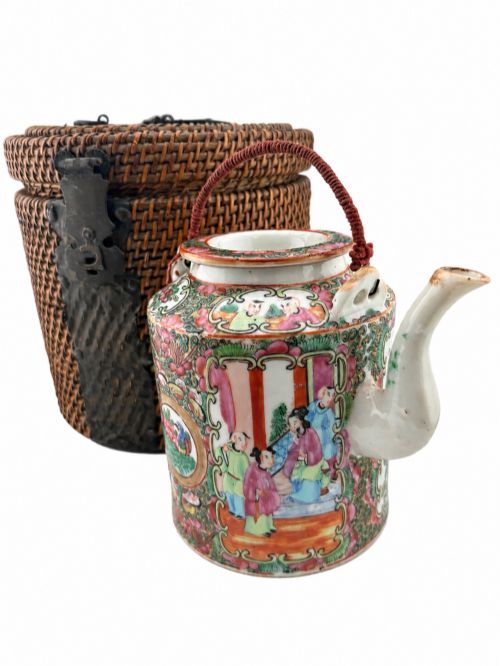
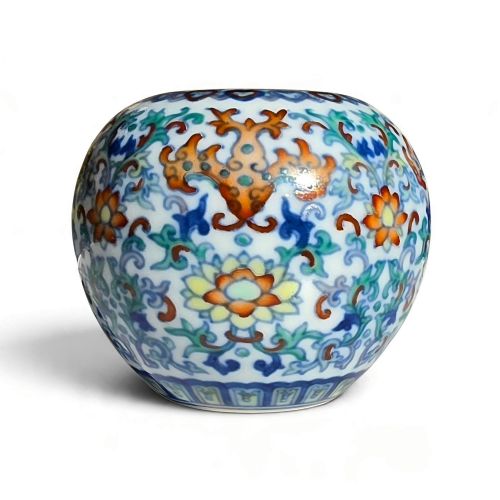
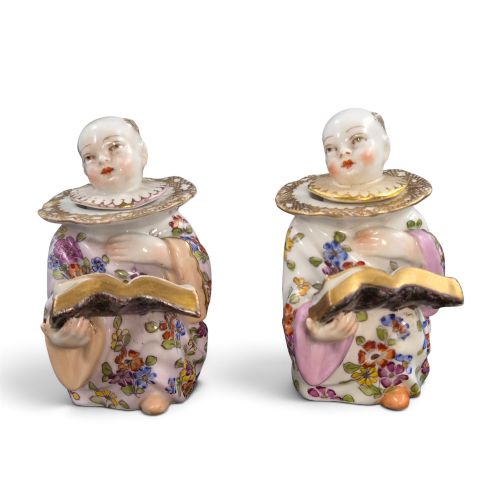
These polychrome ceramic pots bring centuries of vibrant glaze work and hand-painted detail straight to a mantelpiece or cabinet.
Polychrome Ceramic Pot
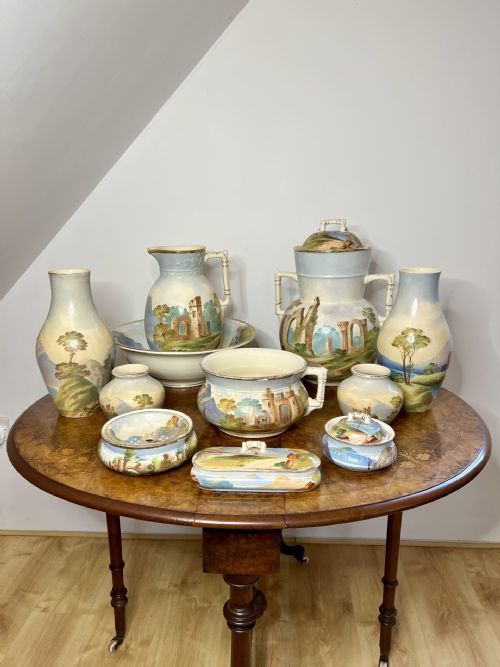
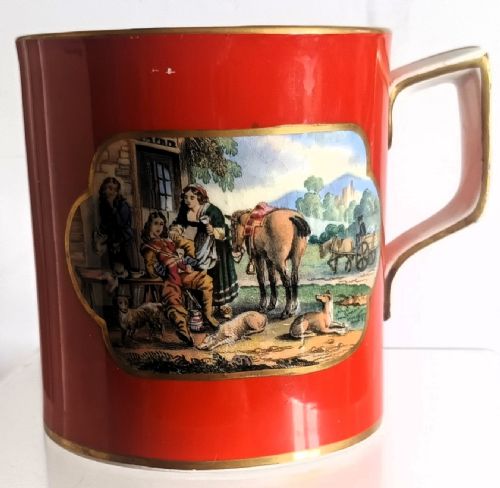
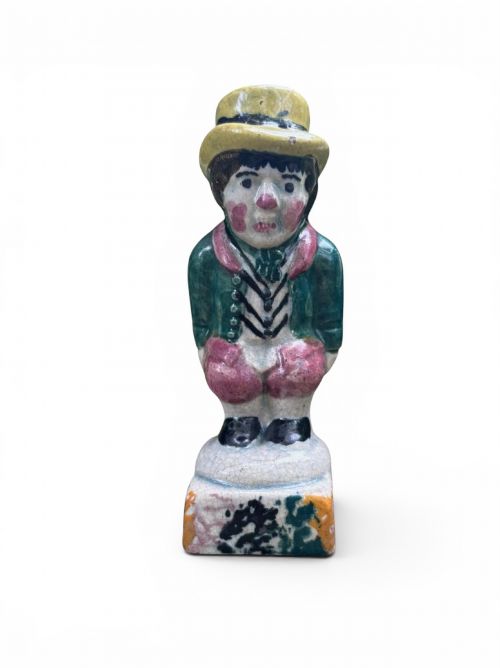
A polychrome ceramic pot encompasses a diverse array of lidded jars, ginger pots, tobacco vessels, and apothecary containers originating from English, European, and Asian kilns. The selection spans centuries of production, drawing heavily on pieces made during the eighteenth and nineteenth centuries.
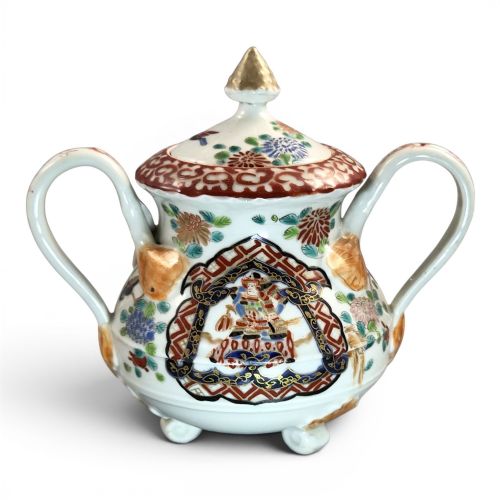
Buyers will encounter functional items such as tea pots, sugar bowls, and wash set pieces alongside decorative jardinieres and brush pots. Domestic vessels sit alongside export wares from China and Japan, reflecting varied global ceramic traditions.
English earthenware and creamware appear alongside delicate porcelain from continental Europe and East Asia. Many survivors retain their original covers, while others present as open cachepots or wall plaques.
Materials and construction
Potters shaped these vessels using earthenware, ironstone, creamware, and fine porcelain bodies before applying liquid glazes. Tin glaze and enamel provided the bright surface layer necessary for multi-coloured painting.
Painters applied mineral pigments by hand directly onto the biscuit or glazed surface, utilising iron red, green, manganese, and blue. Subsequent kiln firings fused the colours permanently into the glassy coating.
Polychrome Ceramic Pot Retail Price Guide 2026
Typical asking prices for polychrome ceramic pot among the pieces listed under this phrase on Sellingantiques today, from the lower quarter to the upper quarter. They describe what is for sale here now, not the wider market.
Listings feature earthenware, porcelain, and ironstone vessels spanning the eighteenth to the twentieth centuries.
Assessing quality in multi-coloured ceramics
The precision of the brushwork largely defines the distinction between standard utilitarian items and masterworks. Crisp outlines, controlled washes, and well-registered enamel colours indicate skilled studio output.
The condition of the glaze and the retention of delicate gilding or overglaze paint heavily influence the integrity of each vessel. Intact original covers and legible factory marks add considerable weight to a piece's historical standing.
Edmé Samson·Royal Worcester·Mason
The Polychrome Ceramic Pot Glossary
- Polychrome
- Decoration executed in multiple distinct colours. This style relies on diverse mineral pigments fired onto the ceramic body.
- Famille Rose
- A Chinese porcelain palette dominated by opaque pink enamel introduced during the Qing dynasty. It allowed for subtle tonal gradations in floral and figural scenes.
- Tin Glaze
- An opaque white glaze containing tin oxide applied to earthenware. It provides a smooth white background for painted designs, common in Delftware and maiolica.
- Satsuma
- Japanese earthenware pottery featuring a crackle-glaze ivory body decorated with rich brocade patterns and gilding. Production expanded significantly during the Meiji period.
- Ironstone
- A durable type of heavy earthenware patented in England. It resists chipping and served as a robust substitute for porcelain.
Polychrome Ceramic Pot: Frequently Asked Questions
How do I clean a ceramic pot?
Dust these vessels gently with a soft dry cloth to protect fragile overglaze paints and gilding. Avoid submerging older earthenware or pieces with delicate enamel work in water.
Harsh detergents and scrubbing brushes can permanently damage historic glazes. Professional conservation advice should be sought for valuable or unstable pieces.
Are these pots waterproof?
Many historic ceramic and porcelain pots hold water safely, particularly glazed porcelain and ironstone vessels. Earthenware and tin-glazed items, however, can remain porous over time.
Liners are recommended if using antique jardinieres or cachepots for fresh plants. This prevents moisture from seeping into aged body fabrics.
How should I display my pot?
Position vessels away from direct sunlight to prevent the fading of delicate enamel pigments. Stable, flat surfaces prevent accidental tipping of lidded jars and tall vases.
Consider pairing complementary forms like ginger jars and tobacco pots on open shelves. Proper lighting highlights the fine brushwork and glaze crackle.
How do I date a ceramic pot?
Examine the base for factory marks, maker signatures, or reign characters that pinpoint specific production eras. Stylistic clues such as colour palettes and glaze types also help narrow down the period.
Craze patterns in the glaze and footring wear offer further physical evidence of age. Comparing pieces to dated reference examples provides the most accurate assessment.