






Enamel Covered Jar
These enamel covered jar pieces bring vibrant colour and intricate metalwork to a room, offering both decorative presence and historical craft.
Enamel Covered Jar
An enamel covered jar combines metalwork or ceramic bodies with coloured glass layers, taking forms such as ginger jars, lidded vases, and incense burners across various global traditions.
Buyers exploring this search phrase most frequently encounter 19th-century and early 20th-century pieces, including Japanese Meiji period cloisonne and Chinese Qing dynasty or Republic period vessels.
These items serve primarily as decorative objects for display on tables and mantelpieces, often featuring fitted lids and detailed painted or wired surface designs.
How they were made
Many of these vessels utilise cloisonne techniques, where thin metal wires are soldered onto copper or brass bases to form cells that hold coloured enamel pastes before firing.
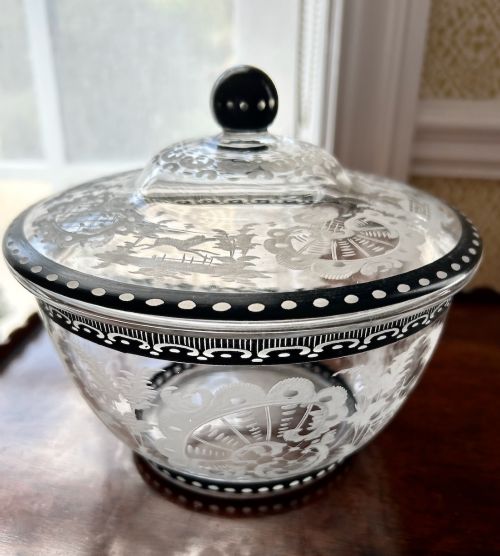
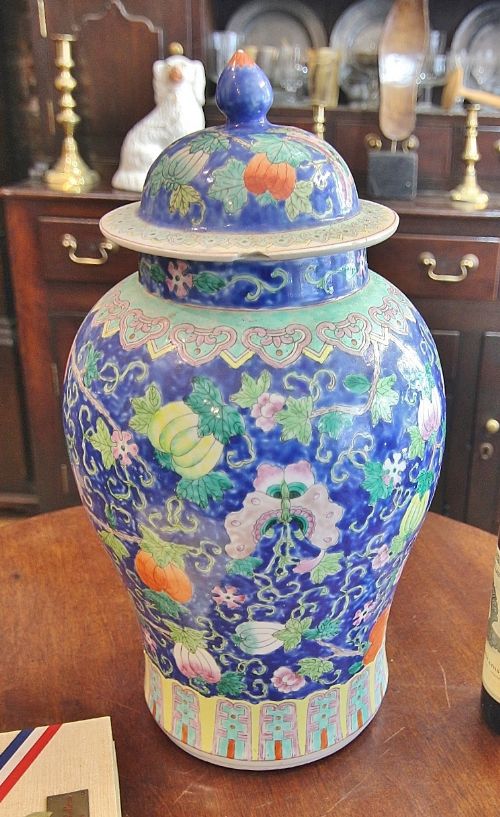
Other examples employ ceramic or porcelain bodies finished with glaze and hand-painted decoration, occasionally enhanced with gilding or engraved glass details.
Enamel Covered Jar Retail Price Guide 2026
Typical asking prices for enamel covered jar among the pieces listed under this phrase on Sellingantiques today, from the lower quarter to the upper quarter. They describe what is for sale here now, not the wider market.
Mary Gregory pieces bring whimsical Victorian children painted in white enamel across contrasting coloured glass.
What varies in quality
The precision of the metal wirework and the evenness of the fired enamel define the higher tiers of these pieces, alongside the complexity and clarity of the hand-painted motifs.
Substantial weight, balanced proportions, and refined finishing on the interior and base distinguish superior examples from standard production.
SHIZAN
The Enamel Covered Jar Glossary
- Cloisonne
- A decorative metalwork technique where fine wires create compartments filled with enamel paste and fired. This method produces intricate, multi-coloured patterns across jars and vases.
- Ginger jar
- A ceramic or metal vessel with a wide body and fitted lid, originally used for storing spices. These containers became popular decorative mantelpiece items in later periods.
- Meiji period
- A Japanese historical era lasting from 1869 to 1912 noted for exceptional metalwork and enamel production. Works from this time often feature detailed natural motifs.
- Qing dynasty
- The final imperial dynasty of China, lasting until 1912, known for elaborate porcelain and enamel decorative arts. Pieces from this era often display rich polychrome palettes.
Enamel Covered Jar: Frequently Asked Questions
How old are these lidded jars?
The examples available generally date from the Victorian and Edwardian eras through to the mid-twentieth century.
Most pieces belong to specific historical spans like the Japanese Meiji period or the Chinese Qing dynasty and Republic period.
How were these jars used historically?
Many began as storage containers for spices or ginger before evolving into purely decorative objects.
Some specialised forms, such as the koro, functioned specifically as incense burners in domestic or ceremonial settings.
How do I care for an enamel covered jar?
Keep these items out of direct sunlight to prevent colour fading in the enamel or painted surfaces.
Dust gently with a soft, dry cloth and avoid using liquid cleaners or abrasives on the metal and glass.