








Asian Lacquer Coffee Tables
These asian lacquer coffee tables bring rich surface texture and deep cultural narratives directly into a modern sitting room.
Asian Lacquer Coffee Tables
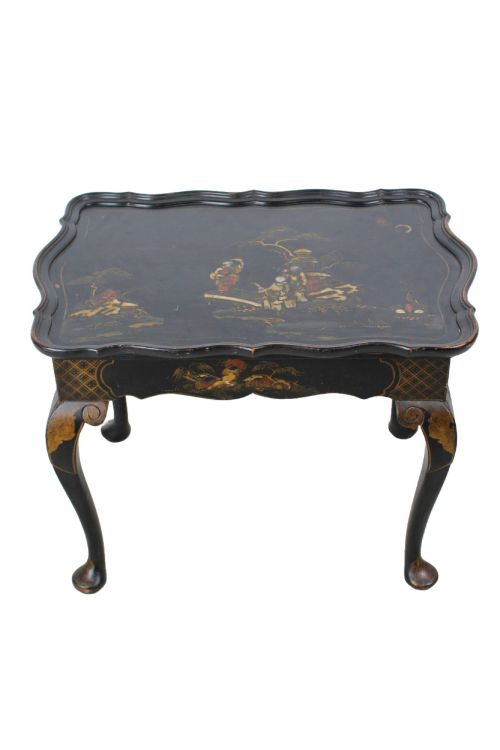
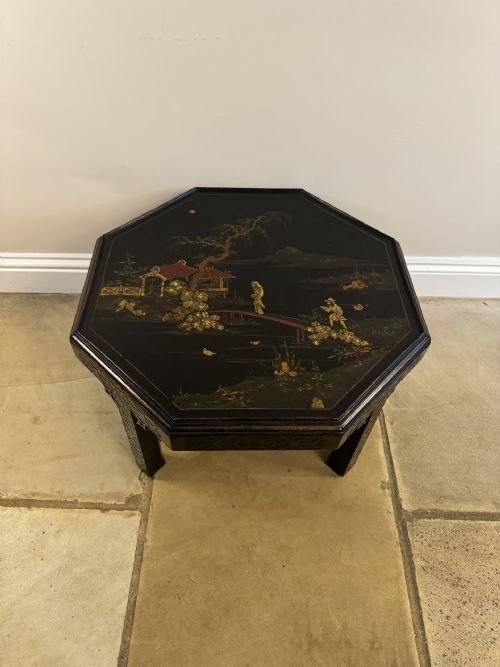
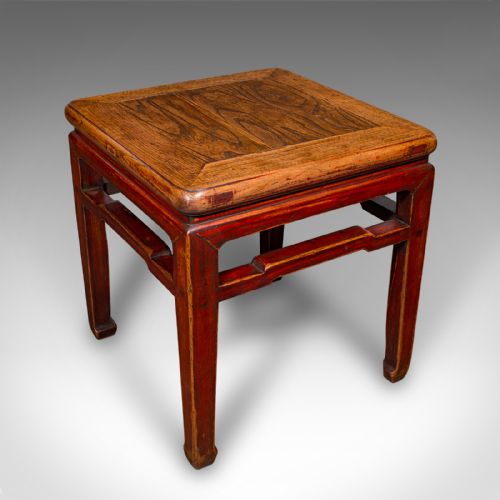
Asian lacquer coffee tables encompass low tables, tray top designs, and occasional forms adapted from traditional furniture types like the Japanese chabudai or Chinese low tables. The selection here spans the eighteenth century through the Edwardian era and the mid-twentieth century, showing diverse regional origins.
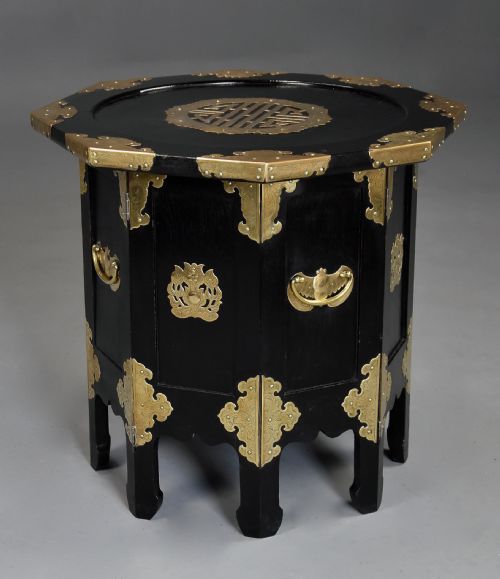
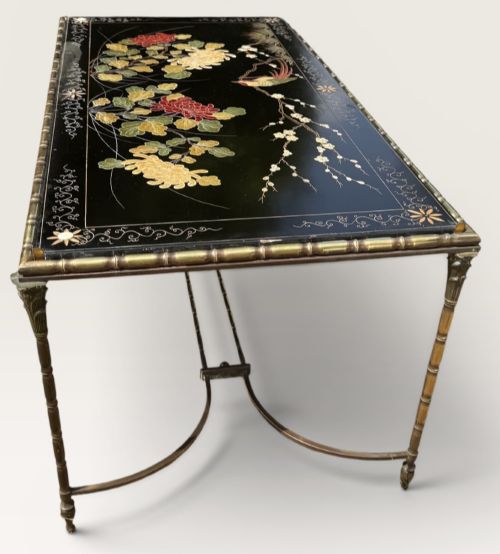
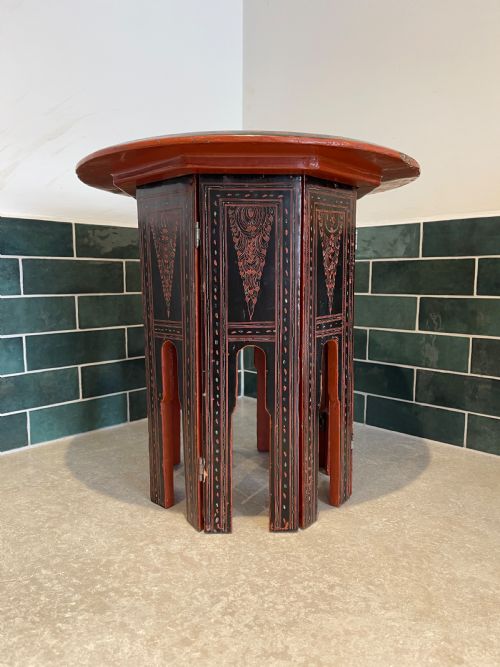
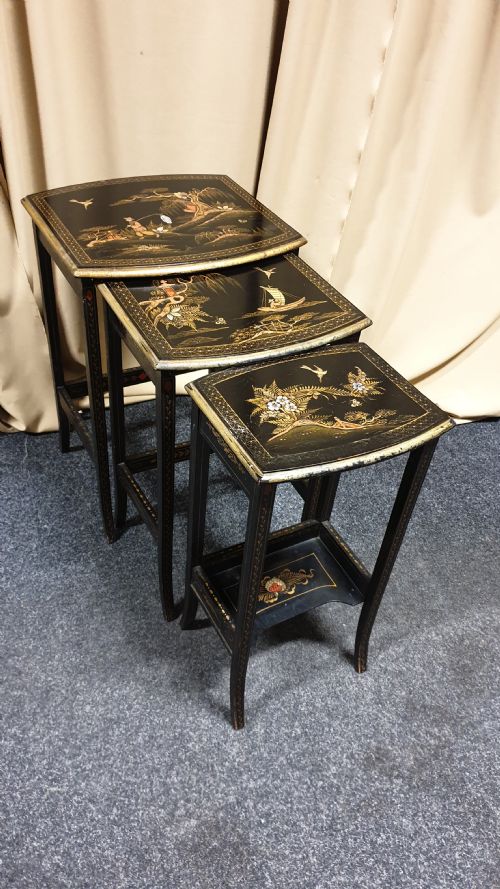
Buyers encounter red and black lacquer finishes, often enriched with gilt, brass details, raised relief, or soapstone. Forms range from octagonal occasional tables to nesting sets and low occasional pieces.
Many examples channel Chinoiserie aesthetics, Qing Dynasty influences, or Anglo-Burmese and Japanese Meiji craftsmanship. These pieces serve functional roles in contemporary settings while retaining distinct historical character.
Evaluating quality and finish
Quality rests in the depth and preservation of the lacquer surface, where refined application yields a smooth, resilient sheen. Pieces exhibiting crisp gilt work, well-defined raised relief, or intact soapstone inlay display superior workshop execution.
Structural integrity of the underlying wood and the retention of original brass or decorative hardware distinguish the more accomplished pieces. The harmony between the form, whether an octagonal table or a low tea table, and its decorative scheme determines the standing of the work.
Materials documented across the inventory include elm, brass, soapstone, gold leaf, and traditional lacquered wood.
Maison Bagues
The Asian Lacquer Coffee Tables Glossary
- Chinoiserie
- European decorative style reflecting Chinese artistic influences, prominent in furniture decoration through lacquer and gilt motifs.
- Chabudai
- Traditional Japanese low table used for serving tea and dining while kneeling on tatami mats.
- Gilt
- Application of gold leaf or gold paint onto a surface to create decorative highlights and contrasting metallic sheen.
- Soapstone
- Soft metamorphic rock utilised for carved decorative inlays on oriental furniture surfaces.
- Lacquer
- Durable resin finish applied in multiple layers to wood substrates, producing a hard and glossy protective coating.
Asian Lacquer Coffee Tables: Frequently Asked Questions
What is a chabudai table?
A chabudai is a traditional Japanese low table designed originally for kneeling while partaking in tea or meals. These pieces offer compact proportions suited to modern minimalist interiors.
Their simple wooden construction makes them versatile enough to function as low coffee tables in contemporary reception rooms.
How do I care for lacquer surfaces?
Lacquer requires gentle dusting with a soft, dry cloth and protection from direct sunlight and extreme heat sources. Avoid chemical polishes that can degrade the historic finish.
Maintaining stable room humidity preserves the wood beneath and prevents cracking in the delicate surface layers.
What is the difference between black and red lacquer?
Red lacquer typically incorporates cinnabar pigment into the resin mixture, yielding a vibrant and decorative tone often associated with temple and celebratory furniture. Black lacquer relies on carbon or iron pigments to create a dark, reflective base suited to gilt highlights.
Both finishes involved meticulous layering and polishing techniques developed over centuries in Asian workshops.
Are these tables suitable for daily use?
These tables function well for everyday placement of books, decorative objects, and cups when treated with reasonable care. Using coasters protects the historic surface from moisture rings.
Their solid wood and lacquered construction provides sufficient durability for normal domestic routines.