



Asian Export Wall Plate
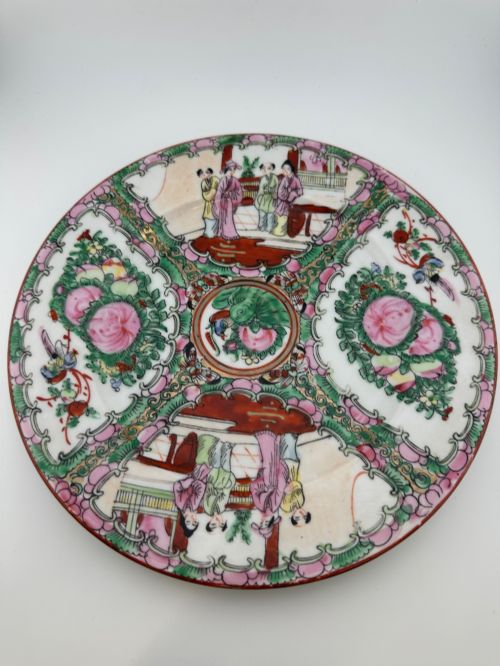
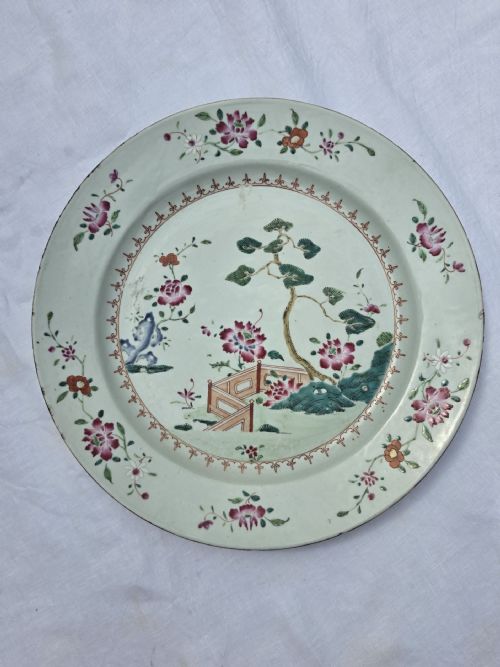
These asian export wall plate selections bring together porcelain, bronze and enamel craftsmanship from Chinese and Japanese kilns.
Asian Export Wall Plate
An asian export wall plate bridges eastern decorative arts and western domestic interiors, appearing across centuries of trade and exchange.
The pieces on this page span decorative plates, chargers, platters and dishes made for international markets.
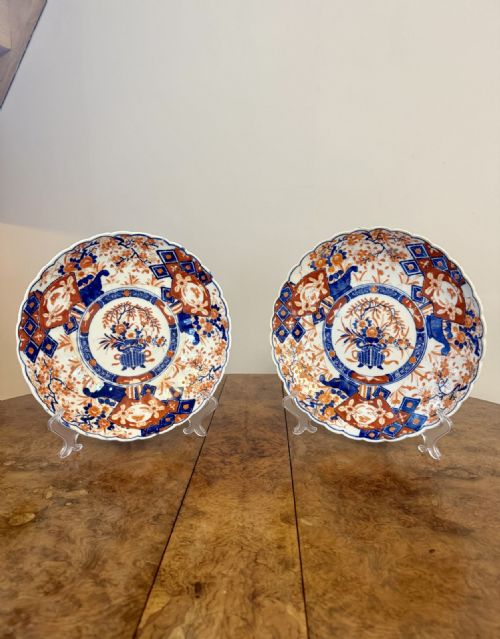
Japanese Imari and Chinese export porcelain dominate the selection, alongside rarer brass or bronze metalwork forms.
How they were made
Potters shaped hard-paste porcelain and ceramic bodies before applying cobalt underglaze, enamel paint and gold leaf or gilt highlights.
Metalsmiths hammered and cast brass or bronze to create durable plates with engraved or applied surface decoration.
Firing techniques in Chinese and Japanese kilns produced the glossy glazes and vibrant colour palettes seen across these items.
The listings span porcelain, ceramic, brass, bronze, enamel, gold leaf and cobalt underglaze across periods from the seventeenth to the twentieth century.
What varies in quality
Brushwork precision separates mass production from master execution, particularly in the hand-painted details of birds, florals and figures.
The stability of the glaze and the purity of the porcelain body dictate the enduring physical condition of each dish.
Depth of colour, especially the richness of cobalt underglaze and the preservation of gilt accents, defines the visual hierarchy.
The Asian Export Wall Plate Glossary
- Imari
- A style of Japanese export porcelain featuring a distinctive palette of underglaze blue, iron red and gilt. It originated in Arita and gained immense popularity in Europe.
- Famille Rose
- A major palette of Chinese ceramic glazes introduced in the eighteenth century, distinguished by opaque pink or rose enamel colours. This technique allowed for nuanced shading of floral and figurative motifs.
- Kraak porcelain
- A type of Chinese export porcelain produced mainly during the Ming dynasty, characterised by panelled border designs and central aquatic or floral scenes. It reached Europe via Dutch East India Company trade.
- Charger
- A large ornamental plate used traditionally for display rather than dining. These substantial pieces provide a broad canvas for complex painted compositions.
Asian Export Wall Plate: Frequently Asked Questions
How do I hang an antique plate?
Use a coated spring-clip hanger that grips the rim securely without scratching the porcelain or metal body.
Ensure the wall fixing is anchored firmly, as larger chargers carry significant weight.
Can I use these plates for food?
Historic export plates feature fragile overglaze enamels and gold leaf that degrade with active use and washing.
Display them on walls or stands to preserve their decorative surfaces.
How do I date an Imari plate?
Examine the foot ring, glaze texture and intensity of the cobalt blue underglaze for clues to the period.
Earlier pieces often show finer clay bodies and hand-thrown irregularities compared to later mass-produced items.
What is the difference between Chinese and Japanese export wares?
Chinese export ceramics often utilise famille rose or blue and white palettes tailored to European tastes.
Japanese wares, such as Imari and Kutani, rely on denser combinations of iron red, cobalt and gold.