


Qianlong Export Dish
A qianlong export dish brings eighteenth-century porcelain craftsmanship straight to your table.
Qianlong Export Dish
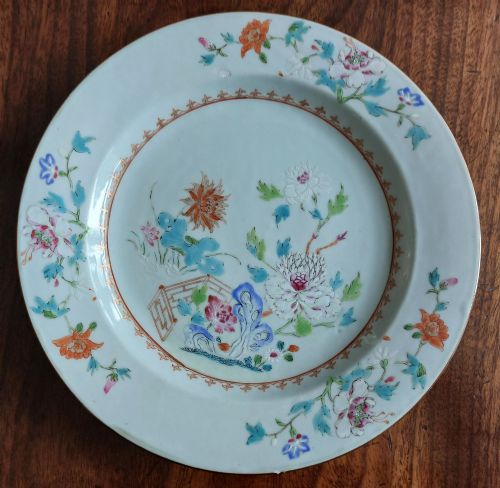
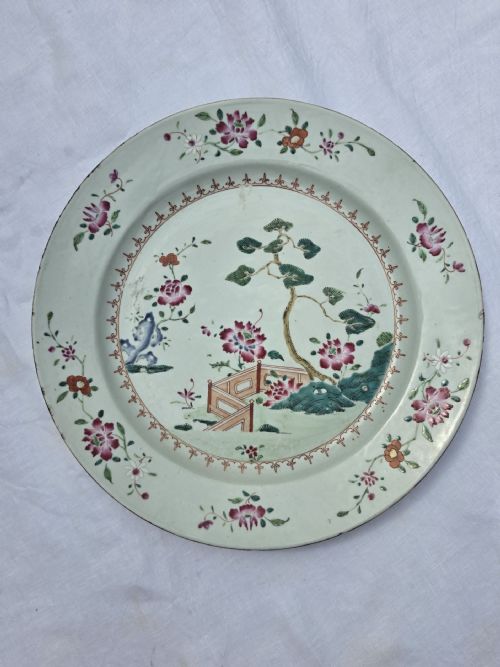
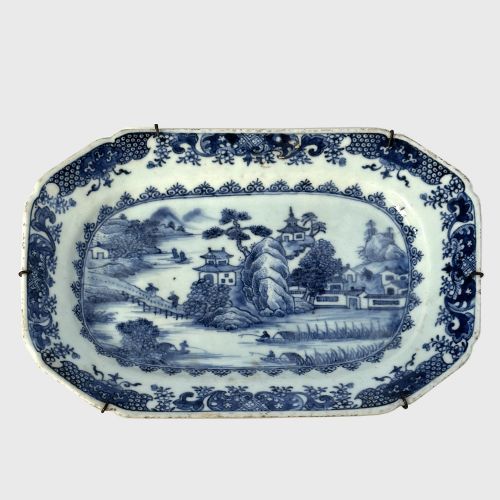
The version most likely to meet a visitor on this page is an eighteenth-century Chinese export porcelain plate or dish displaying characteristic enamels or blue and white decoration. Pieces span from chargers to tea bowls, reflecting the diverse output shipped to Western buyers.
How They Were Made
Porcelain serves as the primary medium for these wares, shaped into hard-paste forms and decorated with cobalt glaze or polychrome enamels. Artisans applied pigments by hand to create intricate floral, bird, and figural scenes across dishes and platters.
Certain pieces incorporate additional materials such as gold leaf, copper, or white metal mounts. Firing techniques achieved the durable white ceramic body characteristic of eighteenth-century kilns before finishing with overglaze painting.
Some adventurous eighteenth-century artisans painted European religious scenes onto Chinese porcelain plates to satisfy overseas demand.
What Varies in Quality
The refinement of the painted brushwork separates standard export wares from superior examples. Precise linework in cobalt blue or carefully shaded famille rose enamels demonstrates greater artisanal skill during production.
Complexity of form and design execution dictate the upper tier of these objects. Armorial bearings, detailed Mandarin palette scenes, or pierced openwork baskets require advanced proficiency compared to simpler floral motifs.
The Qianlong Export Dish Glossary
- Famille Rose
- A palette of opaque pink and rose enamel colours introduced to Chinese porcelain decoration during the eighteenth century. This style allowed for nuanced shading and detailed pictorial scenes.
- Chinese Export
- Porcelain manufactured in China specifically for European and American markets from the sixteenth through the nineteenth centuries. These wares often combined traditional Chinese techniques with Western shapes and heraldry.
- Qianlong Period
- The era of the Qianlong Emperor lasting from seventeen thirty-six to seventeen ninety-five, noted for prolific porcelain production. Pieces from this time frequently exhibit high technical mastery in enamel and blue and white decoration.
- Armorial
- A style of ceramic decoration featuring a specific European family coat of arms or crest. Wealthy patrons commissioned these bespoke services directly from kilns in China.
- Hard-paste Porcelain
- A dense, durable ceramic composed of petuntse and kaolin fired at high temperatures. This material forms the solid white body underneath the glaze and enamel layers.
Qianlong Export Dish: Frequently Asked Questions
What is a qianlong export dish?
A qianlong export dish is an eighteenth-century ceramic piece made in China for overseas buyers during the Qing dynasty.
These items encompass plates, platters, and saucers decorated with cobalt blue or colourful enamels.
How were these dishes used?
Households utilised these porcelain pieces for dining, serving food, and displaying wealth in formal rooms.
Tea bowls, tureens, and chargers fulfilled practical domestic functions alongside ornamental display.
How do I date a qianlong piece?
Dating relies on stylistic markers, reign marks, and the specific palette of pigments used on the porcelain.
Eighteenth-century examples correspond to the production periods recorded during the Qing dynasty.
What designs appear on these dishes?
Motifs include floral arrangements, birds, armorial bearings, and narrative scenes painted in famille rose or blue and white.
Some objects feature specialised decoration such as Jesuit themes or Amsterdam Bont overpainting.