






Asian Decorative Vase
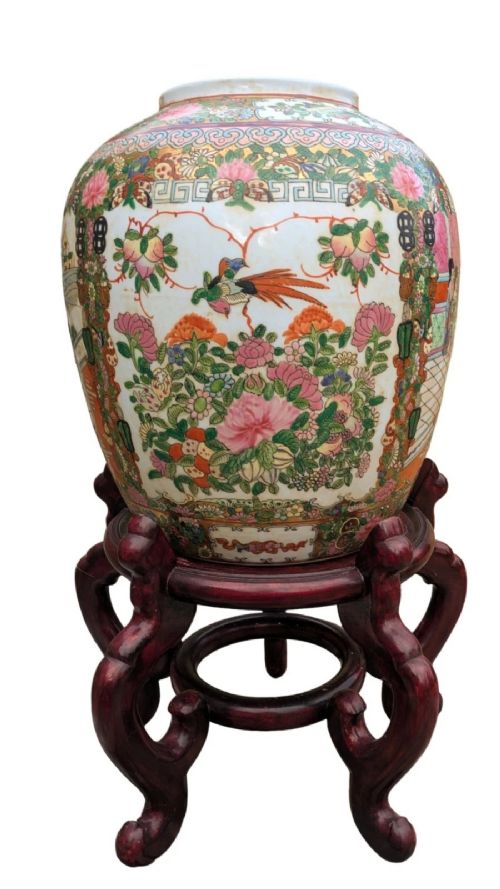
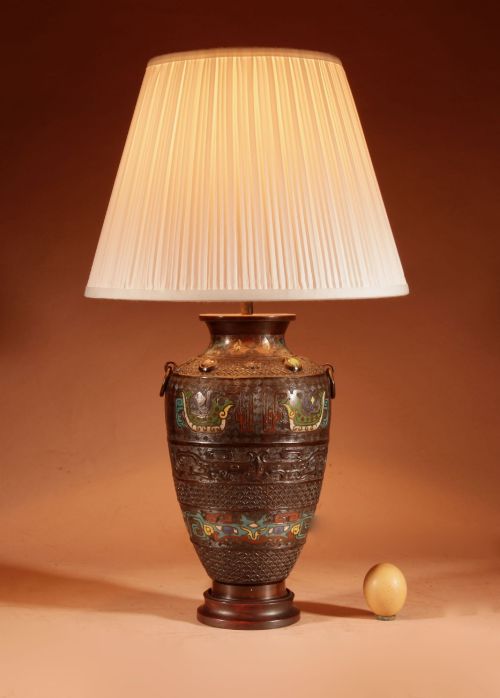
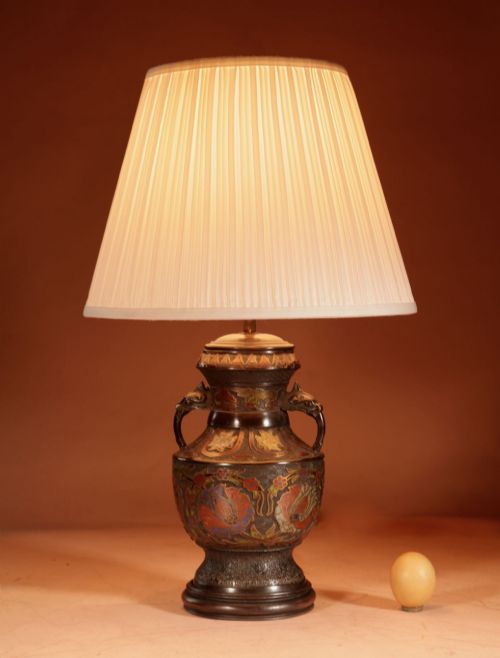
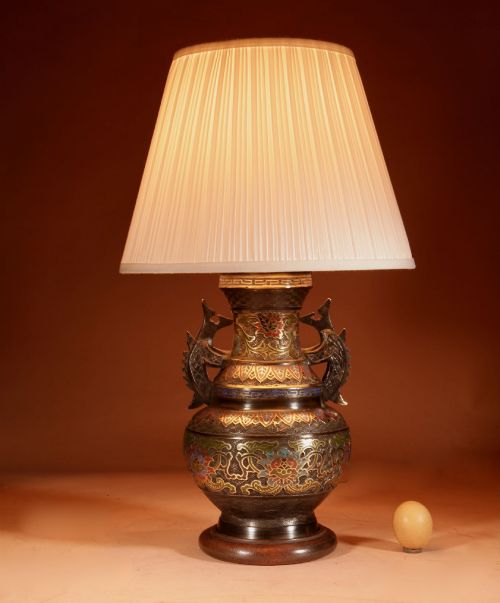
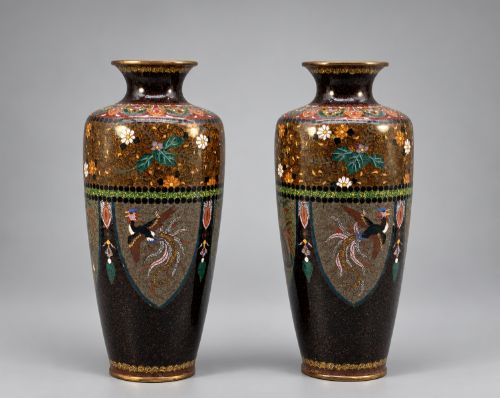
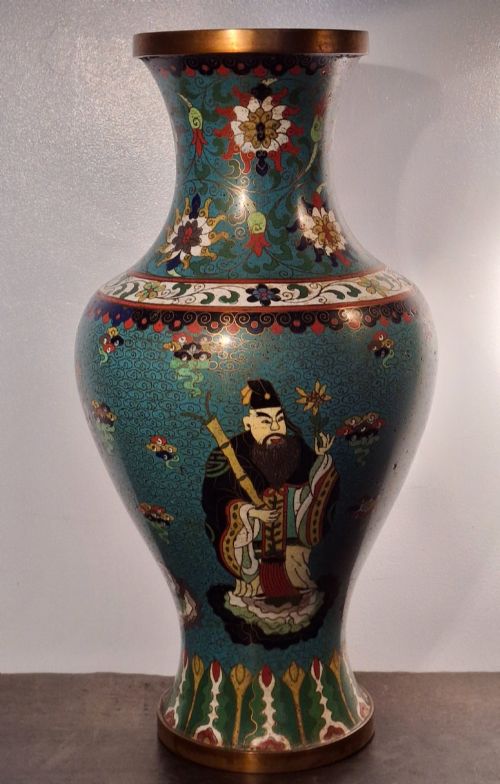
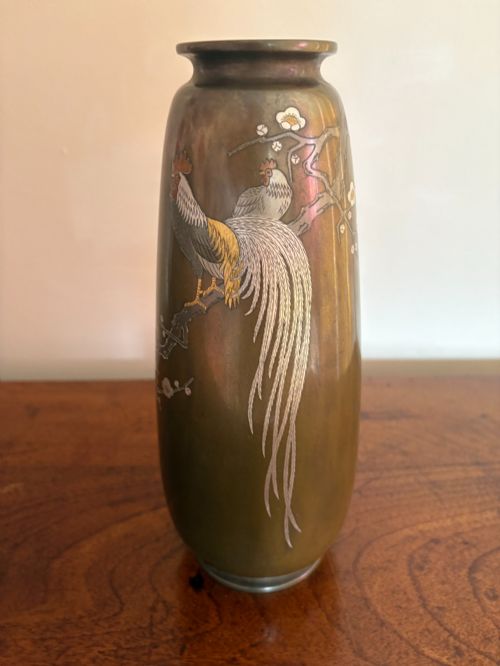
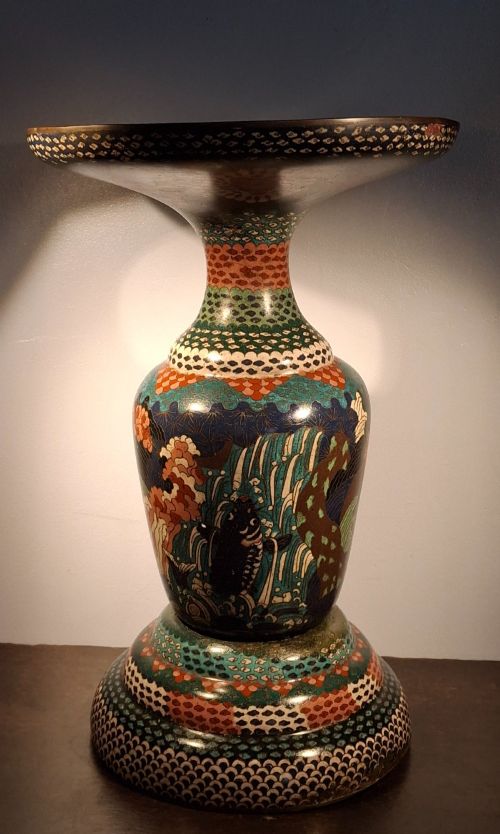
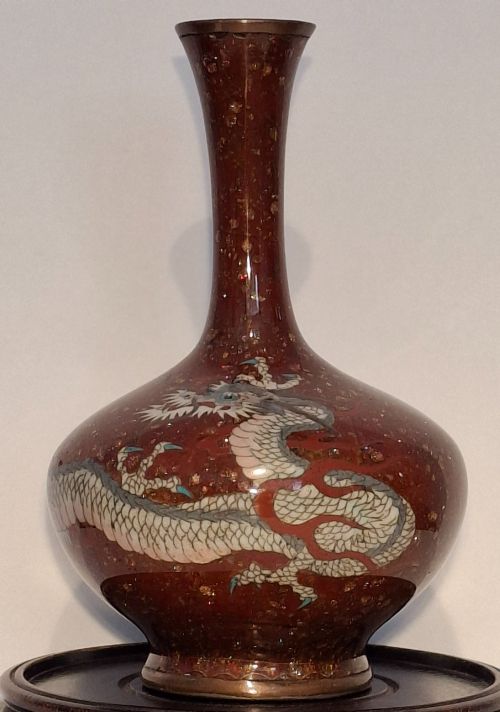
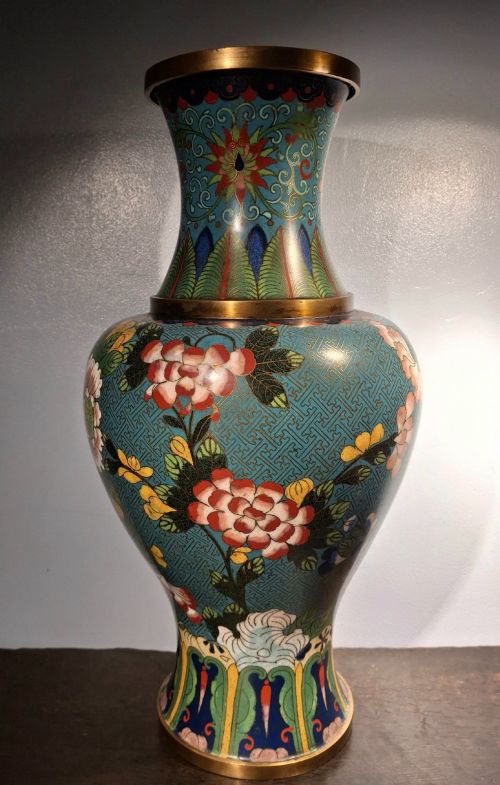
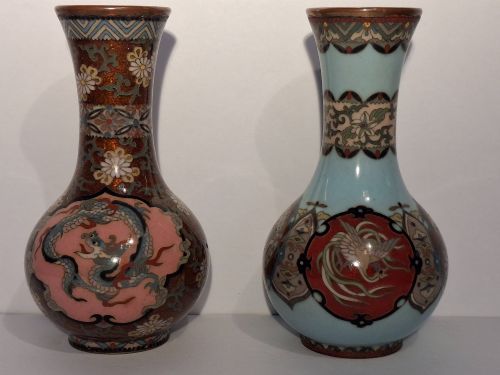
These asian decorative vase examples bring intricate metalwork, earthenware and porcelain from the nineteenth and early twentieth centuries into a room.
Asian Decorative Vase
An asian decorative vase encompasses varied forms ranging from tall baluster shapes and temple vessels to miniature pots and jardinieres. The pieces encountered on this page originate predominantly from Japanese and Chinese workshops across the nineteenth century and the early decades of the twentieth century.
Makers utilised traditional techniques to shape vessels from bronze, copper-alloy, porcelain, earthenware, and cloisonné enamel. Buyers find both paired sets intended for mantelpieces and individual statement pieces designed for display.
The selection includes specific regional wares such as Satsuma earthenware, Imari porcelain, and Kutani pottery, alongside champlevé and bronze works from the Meiji period and Qing dynasty.
Materials and Technique
Metal vessels rely on bronze or copper-alloy casting, often enhanced with applied wire cloisonné, champlevé enamelling, or intricate high-relief carving. Artisans chased details by hand, sometimes incorporating gold leaf or inlaid elements to accent the surface design.
Ceramic pieces involve porcelain, stoneware, or earthenware bodies painted in blue and white or polychrome enamels. Satsuma and Kutani wares showcase fine crackle glazes and detailed overglaze enamel painting depicting landscapes or figures.
Asian Decorative Vase Retail Price Guide 2026
Typical asking prices for asian decorative vase among the pieces listed under this phrase on Sellingantiques today, from the lower quarter to the upper quarter. They describe what is for sale here now, not the wider market.
Japanese Meiji period metalwork appears alongside Chinese Qing dynasty cloisonné and export porcelain forms.
Distinction in Craft
Quality rests on the crispness of the casting, the precision of the enamel work, and the subtlety of the hand-painted detail. Superior metalwork displays sharp definition in relief figures and secure, neat enamel cells without pitting.
Ceramic excellence shows in the balance of the form, the refinement of the paste, and the control of the kiln firing. Master painters achieved depth and harmony in palette, whereas lesser examples present flat colours and hurried brushwork.
KANASAWA·Manpei, Kobe·Makuzu Kozan II·Hakusan·Chosei, Kyoto
The Asian Decorative Vase Glossary
- Cloisonne
- Enamelling technique where metal wire forms small compartments on a metal base, filled with vitreous paste and fired. This method creates intricate patterns of coloured cells across the surface.
- Champleve
- Enamelling process where troughs or cells are hollowed directly into the metal surface to hold the enamel. The metal walls remain visible between the coloured areas.
- Satsuma
- Earthenware pottery originating from Satsuma province in Japan, characterised by a pale crackled glaze and elaborate polychrome and gilt decoration. These pieces frequently depict figures, birds, and floral scenes.
- Imari
- Japanese porcelain decorated in underglaze blue and overglaze iron red, gold, and green. The style developed for export and gained popularity across European interiors.
- Baluster
- A vertical architectural form resembling a vase or pillar, featuring a rounded lower body that tapers towards a narrow neck. This silhouette provides stability and proportion for large display vessels.
Asian Decorative Vase: Frequently Asked Questions
How do I identify Satsuma ware?
Satsuma pieces feature a distinctive ivory-coloured earthenware body covered in a fine network of crackled glaze. Artisans decorated these surfaces with detailed polychrome enamels and raised gold leaf.
Most examples date from the Meiji period onwards, often bearing artist signatures or workshop marks on the base.
What is the difference between cloisonne and champleve?
Cloisonne involves soldering flat metal wires onto a metal base to create raised walls that outline the design compartments. These cells are then filled with coloured enamel paste before firing.
Champleve carves the design cells directly into the solid metal body rather than adding wire partitions.
Can these vases hold water?
Many antique metal and porcelain vessels were created purely for display and interior ornamentation rather than utility. Porous earthenware or antique constructed bodies risk damage from moisture.
It is safer to use a discreet inner container if displaying fresh stems inside a delicate antique vessel.
How should I clean bronze and enamel?
Dust metal and cloisonne surfaces gently with a soft, dry cloth to remove particles. Avoid harsh chemical cleaners, commercial brass polishes, or abrasive cloths that can strip patination or damage enamel.
Professional conservation advice should be sought for deep cleaning or restoration needs.