





Antique Red Lacquerware
Antique red lacquerware brings deep crimson surfaces, carved cinnabar motifs and rich Asian craftsmanship into your rooms.
Antique Red Lacquerware
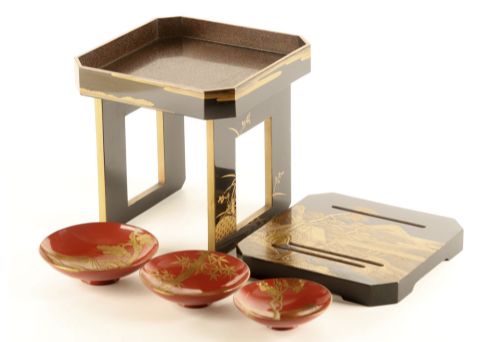
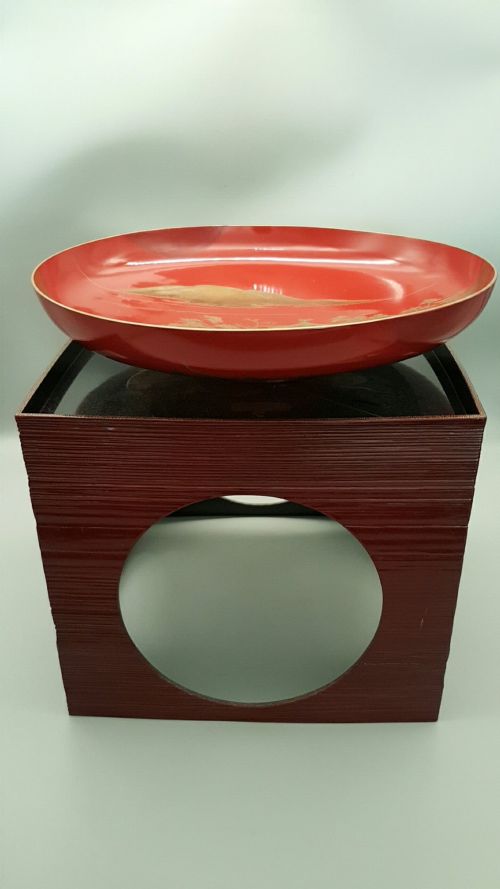
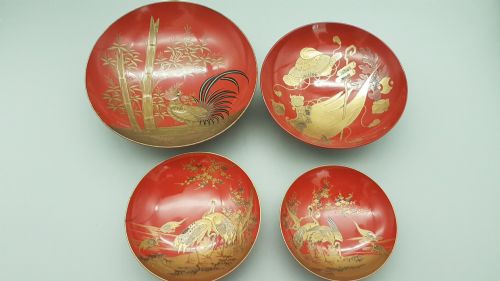
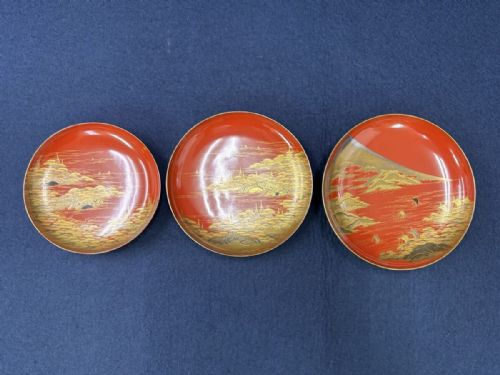
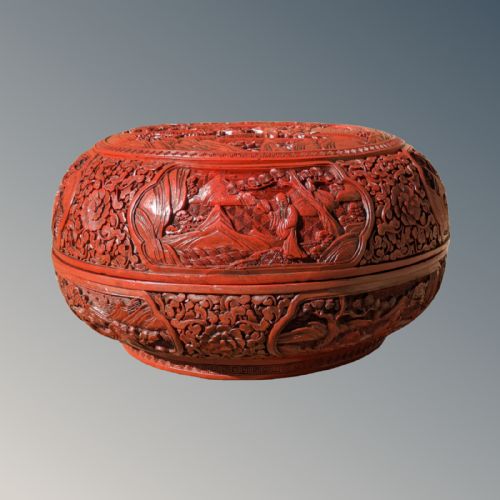
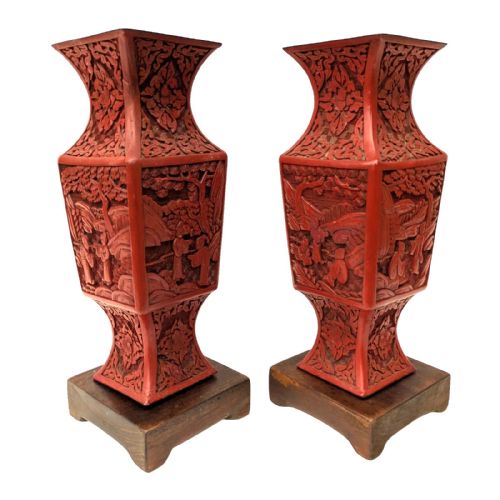
When you search for antique red lacquerware, you encounter a diverse range of objects spanning Chinese, Japanese, Burmese, Indian and Persian origins. The selection on this page centres heavily upon nineteenth-century Chinese cinnabar vessels, Japanese Meiji and Taisho sake sets, and Kashmiri boxes or tables.
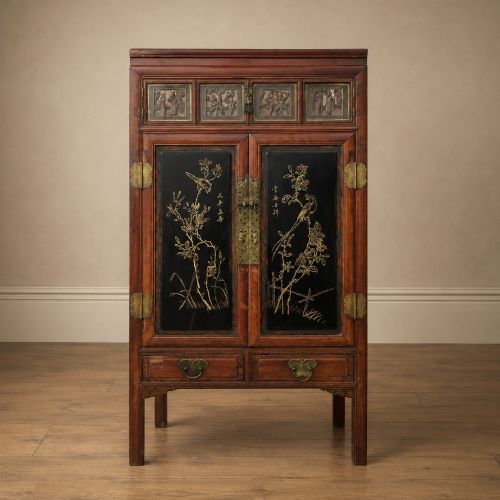
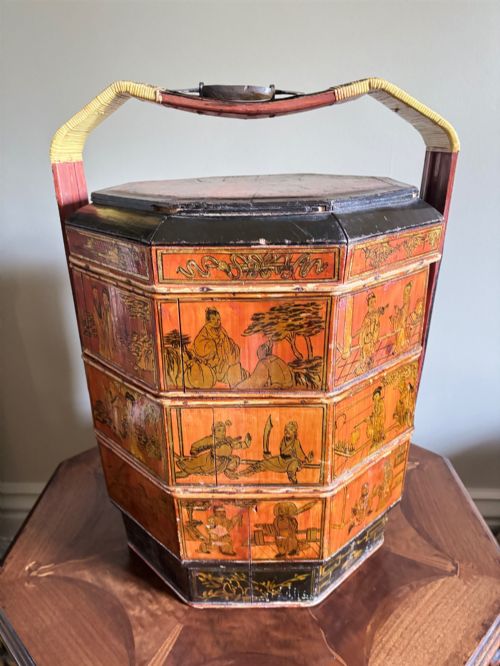
Buyers meet small decorative items alongside larger furniture. Decorative boxes, lidded trinket cases, tiered dowry baskets and wedding chests appear frequently beside sake cups, tables, cabinets and vases.
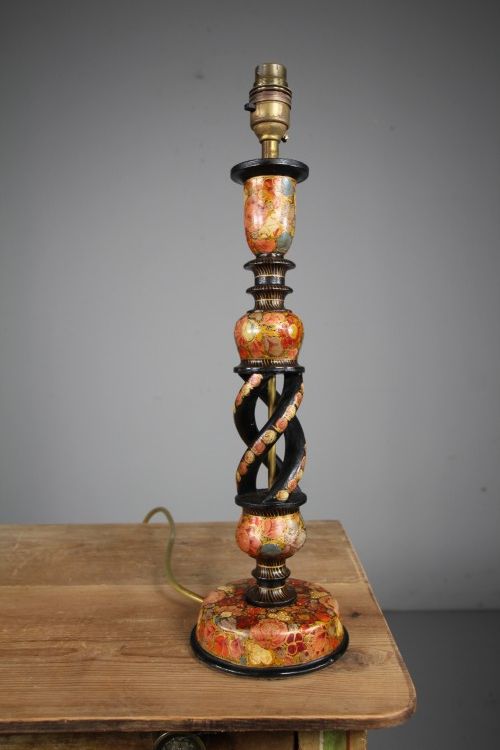
These items originate from distinct regional workshops, moving from intricate carved Chinese cinnabar to smooth hand-painted Qajar cashier boxes and lacquered Burmese occasional tables.
How they were made
Craftsmen built these pieces upon wooden foundations, applying multiple layers of natural sap or lacquer over weeks and months. Artisans introduced red pigments such as cinnabar to achieve the characteristic deep vermilion hue.
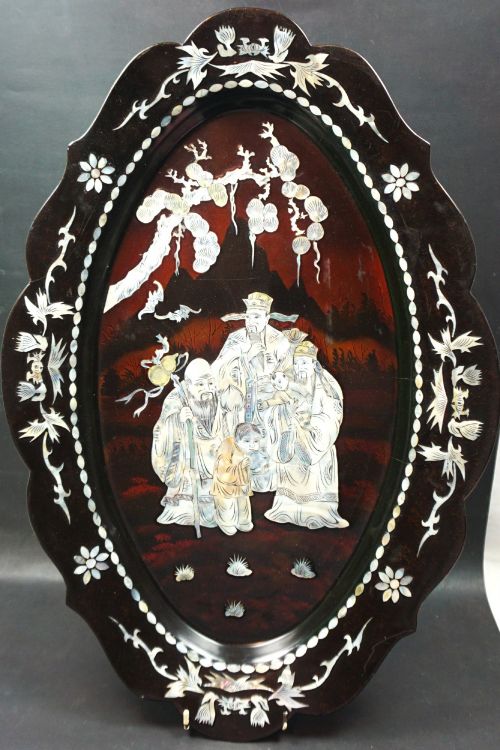
Many Chinese and Japanese examples involve extensive hand carving through dozens of cured lacquer layers to reveal intricate figural scenes or floral motifs. Other pieces incorporate gold leaf highlights, mother-of-pearl inlay or painted enamel details over the lacquered wood base.
The object forms span decorative boxes, vases, sake cups, side tables, cabinets, platters, and tiered wedding baskets from Chinese, Japanese, Burmese, and Indian origins.
What varies in quality
The depth and precision of the carving separate standard items from superior examples. Finely executed pieces display crisp relief work and deep undercutting in the red layers without losing structural definition across the wooden core.
The consistency of the lacquer application and the preservation of the original surface finish dictate the standing of a piece. Superior objects maintain stable layers of urushi or resin without extensive modern stabilization, retaining their tactile warmth and rich tone.
The Antique Red Lacquerware Glossary
- Cinnabar
- A bright scarlet mineral form of mercuric sulphide traditionally used to colour lacquerware. Artisans carved deep patterns directly into thick layers of this red material.
- Urushi
- Natural lacquer derived from the sap of the toxicodendron vernicifluum tree. It cures into a durable, moisture-resistant surface when exposed to high humidity.
- Meiji
- A Japanese historical period lasting from 1868 to 1912. Objects from this era often showcase refined lacquer techniques and export-quality decorative artistry.
- Qing Dynasty
- The last imperial dynasty of China, ruling from 1644 until 1911. Many of the large carved red lacquer vases and lidded boxes originate from this extensive imperial era.
- Dowry Basket
- A multi-tiered cylindrical vessel used traditionally in Asian cultures to transport gifts or wedding provisions. These containers often feature stacking trays and secure wooden framing.
Antique Red Lacquerware: Frequently Asked Questions
What is cinnabar lacquer?
Cinnabar lacquer consists of multiple applied layers of red mercuric sulphide mixed into tree sap. Artisans carved intricate landscapes and floral motifs directly into the hardened red strata.
This technique requires immense patience because each individual layer must dry and cure before the next coat goes on. The resulting thickness allows for deep relief carving.
How do I care for lacquerware?
Keep antique red lacquerware away from direct sunlight and extreme temperature fluctuations to prevent the wood base from expanding. Dust the surface gently with a soft, dry cloth without applying modern chemical polishes.
Maintaining stable indoor humidity helps protect the natural resin layers from drying out and cracking over time.
Where were these pieces made?
The pieces originate across various Asian regions including China, Japan, Burma, and India. Each culture developed distinct decorative styles, from carved Chinese cinnabar to smooth painted Kashmiri boxes.
Trade routes and nineteenth-century export markets brought these diverse regional items to Western collections.
Are these items functional today?
Many smaller items such as decorative boxes, trays and nesting bowls remain practical for holding small trinkets or desktop accessories. Furniture pieces like side tables and small cabinets function well in modern interiors for display.
Delicate antique lacquerware benefits from gentle daily use rather than heavy handling, preserving the historic surface finish.