


Asian Ceramic Vessel
When you search for an asian ceramic vessel, you encounter centuries of pottery and porcelain traditions spanning China and Japan.
Asian Ceramic Vessel
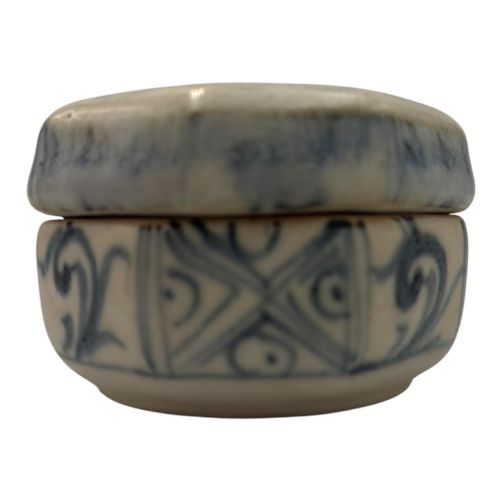
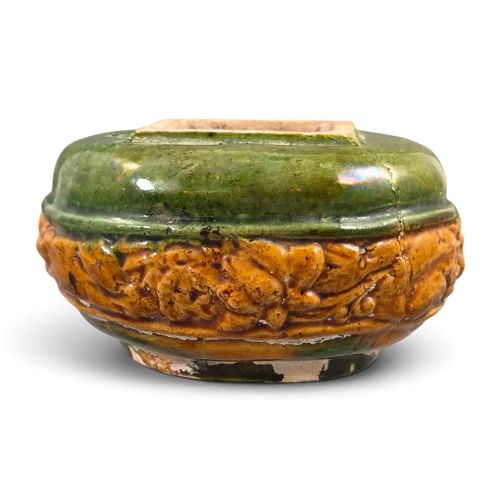
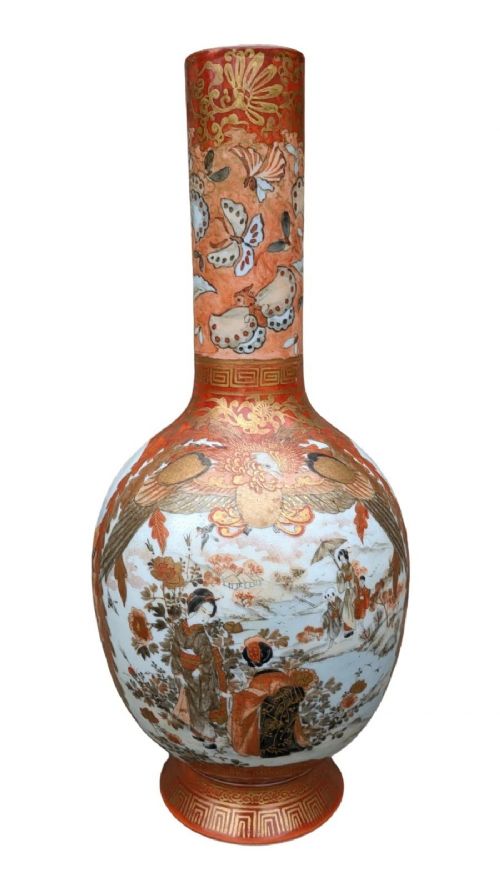
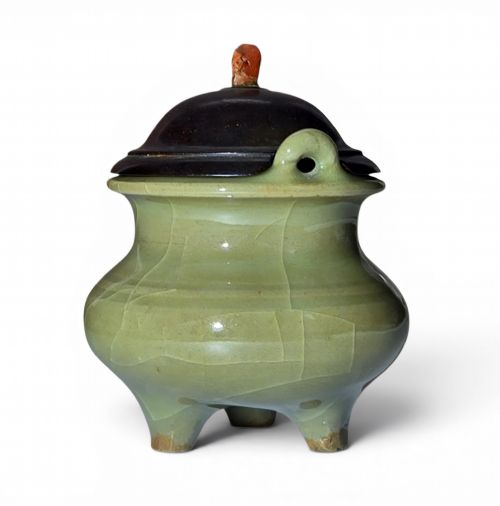
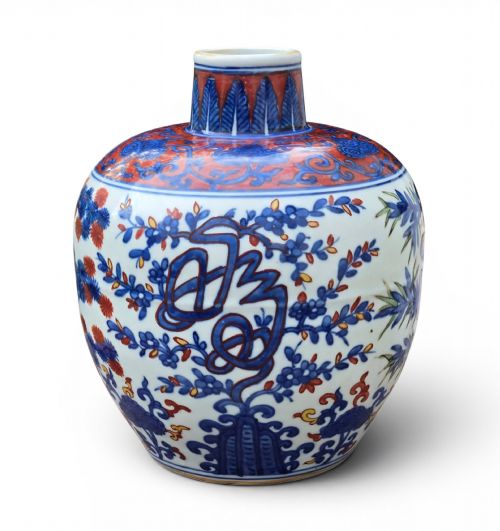
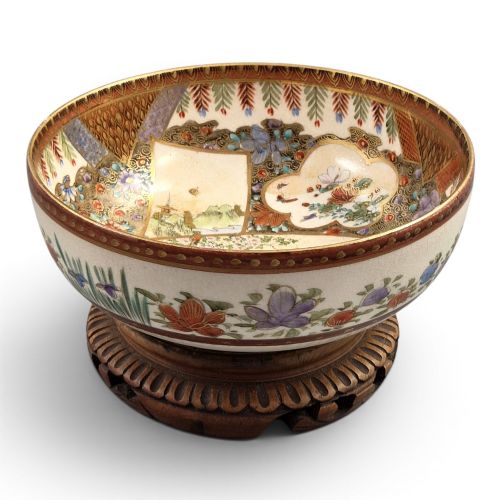
An asian ceramic vessel encompasses functional and decorative forms such as vases, incense burners, ginger jars, tea caddies, waterpots, and bowls. These pieces originate from historic East Asian dynasties and periods, including the Ming, Qing, and Lê dynasties alongside the Meiji and Showa periods.
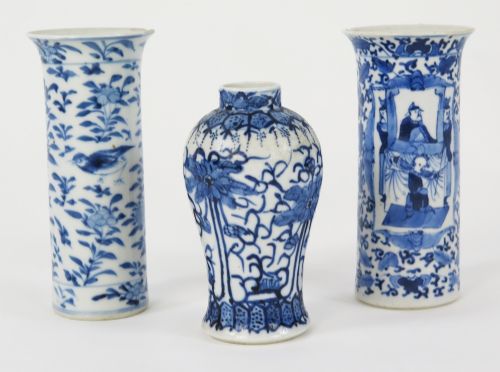
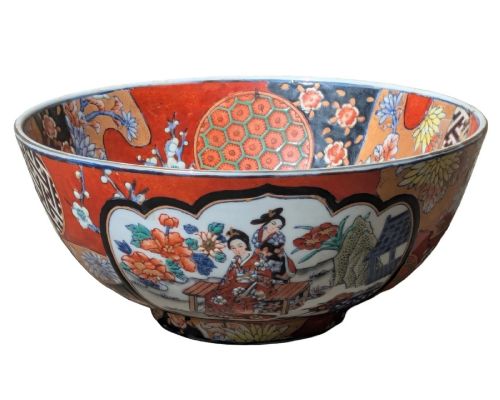
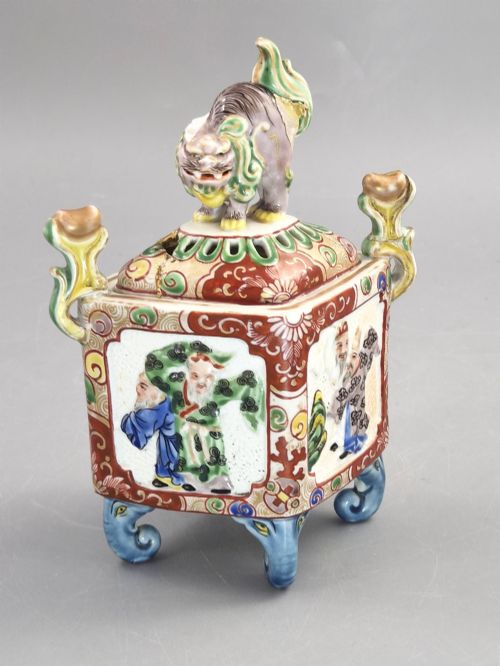
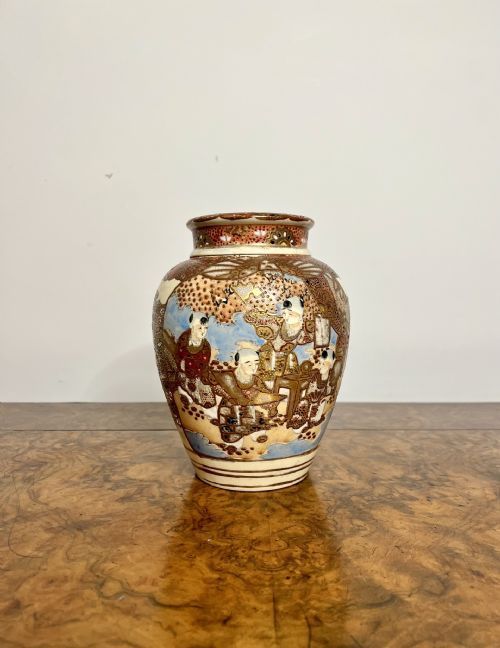
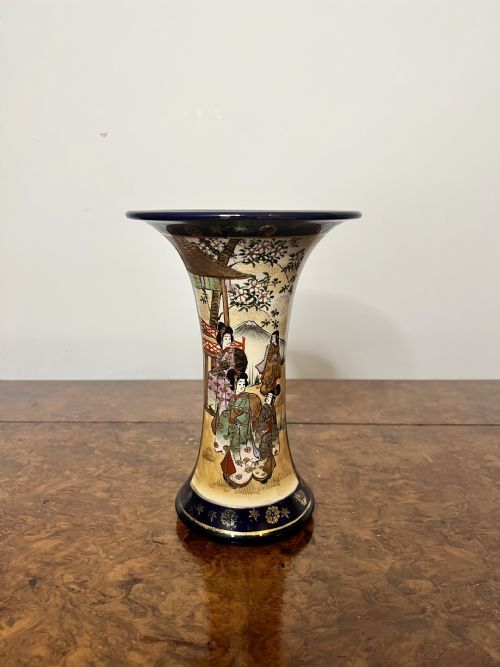
The selections on this page lean heavily towards Japanese Satsuma ware and Imari porcelain from the late nineteenth and early twentieth centuries, alongside Chinese blue and white porcelain and celadon pieces from earlier imperial eras.
Materials and Technique
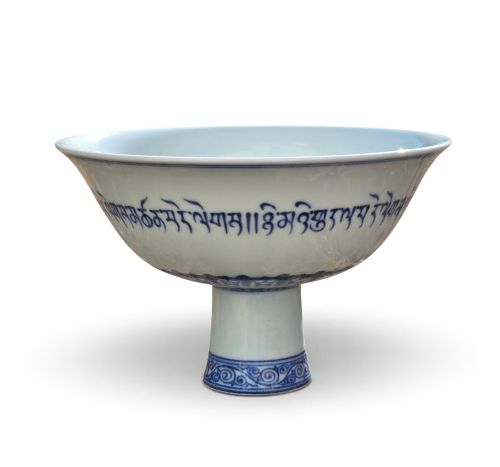
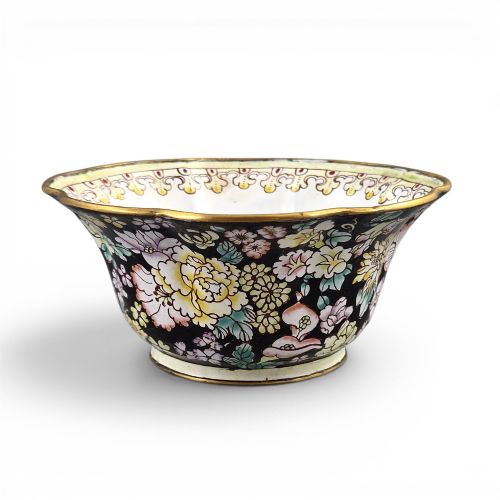
Potters shaped these vessels from stoneware, earthenware, and fine porcelain bodies, applying cobalt blue, copper, and iron-red pigments beneath or over transparent and opaque glazes. Many pieces incorporate elaborate polychrome enamel decoration and raised moriage details.
Certain items receive additional ornamentation through applied gold leaf, carved wooden covers, or bespoke zitan and coral mounts added during later imperial periods.
Listings feature items spanning the 16th century through the early 20th century, encompassing earthenware, stoneware, and porcelain materials.
Subtleties of Execution
The distinction between standard commercial output and superior work lies in the precision of the throwing, the control of the kiln temperature during firing, and the refinement of the painted brushwork. Master workshops achieved cleaner lines, deeper glaze tones, and more harmonious compositions than mass-produced equivalents.
The presence of artist signatures, imperial reign marks, or specific workshop attribution from recognised makers elevates the standing of an individual piece within its respective ceramic tradition.
Kizan·Kozan·Hotoda·Makuzu Kozan·Chosei·Kinkozan·Kinrin Workshop
The Asian Ceramic Vessel Glossary
- Celadon
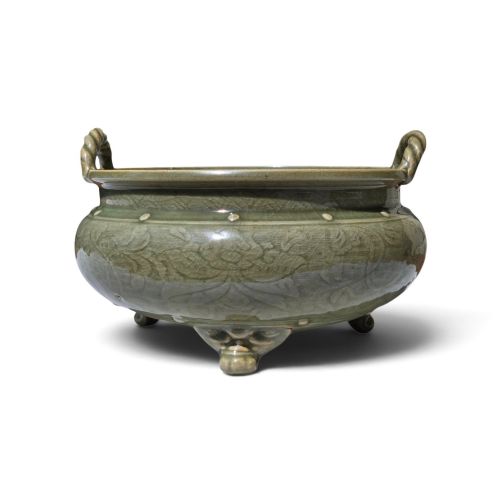
- A type of transparent green ceramic glaze applied over a pale clay body, developing subtle crackle patterns in certain historic wares. This finish mimics the appearance of jade.
- Koro
- A traditional Japanese incense burner typically supported on three feet and fitted with a pierced cover. These vessels frequently feature guardian lion finials or elephant head handles.
- Doucai
- A Chinese porcelain decorating technique combining underglaze blue outlines with overglaze enamel infills. Artisans apply this method during imperial dynasty periods.
- Imari
- A style of Japanese porcelain featuring a distinct palette of underglaze blue, iron red, and gilt highlights. Kilns in Arita produced these export wares for domestic and international markets.
- Natsume
- A small Japanese tea caddy traditionally utilised in the preparation of powdered green tea for the tea ceremony. These containers usually possess a flat-topped wooden or ceramic lid.
Asian Ceramic Vessel: Frequently Asked Questions
How do I identify a Satsuma vessel?
Satsuma pottery typically presents a finely crackled ivory-coloured earthenware body decorated with detailed polychrome enamels and extensive gilt highlights. Many pieces bear artist signatures or the Shimazu family mon.
These wares expanded significantly during the Meiji period to cater to Western export demand, evolving from simple earthenware into highly ornate decorative objects.
What is the difference between porcelain and stoneware?
Porcelain is a vitrified ceramic fired at high temperatures using kaolin clay, resulting in a white, non-porous body that often rings when struck. Stoneware utilises denser clay and fires to a durable, impermeable finish.
Historic examples across China and Japan employ both bodies depending on the intended function of the container, whether for water storage or ceremonial display.
Are reign marks reliable indicators of age?
Imperial reign marks inscribed on the base of Chinese ceramics often honour earlier dynastic periods rather than denoting the actual year of manufacture. Potters in the Qing dynasty frequently reproduced Ming marks as a sign of respect.
Determining the exact age requires evaluating the physical characteristics of the clay, the behaviour of the glaze, and the style of the cobalt pigment.