
Asian Brass Vessel
An asian brass vessel brings centuries of Eastern metalwork into a room, offering tactile weight and historic form.
Asian Brass Vessel
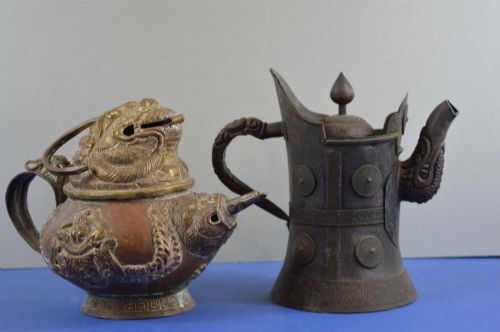
When searching for an asian brass vessel, collectors encounter a diverse group of metal objects spanning the eighteenth, nineteenth, and early twentieth centuries. These items originate predominantly from Chinese workshops and Japanese makers, with occasional examples from Tibetan and Nepalese traditions.
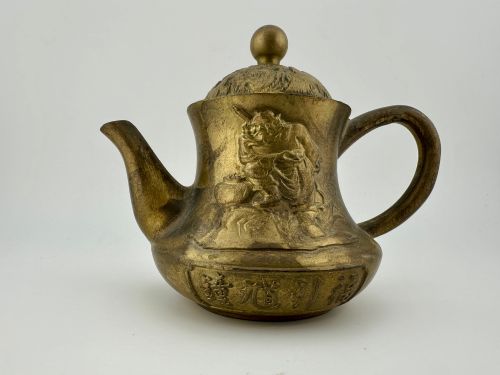
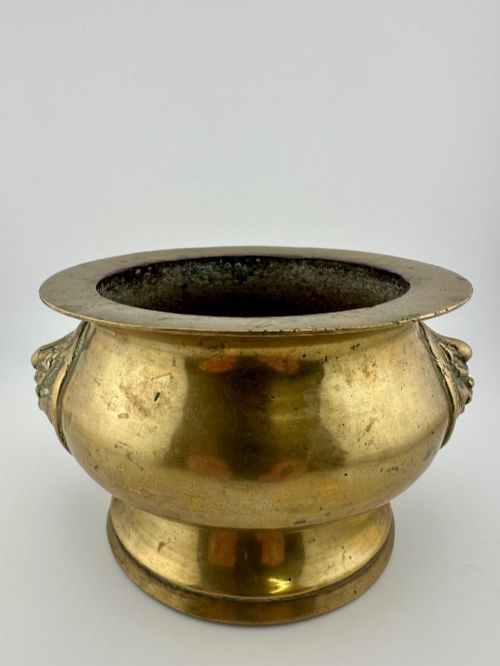
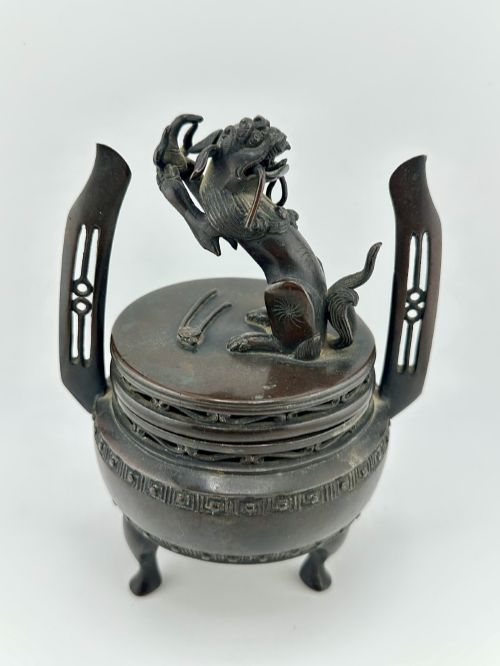
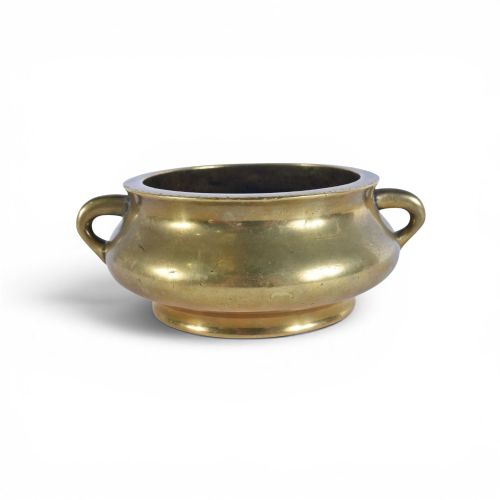
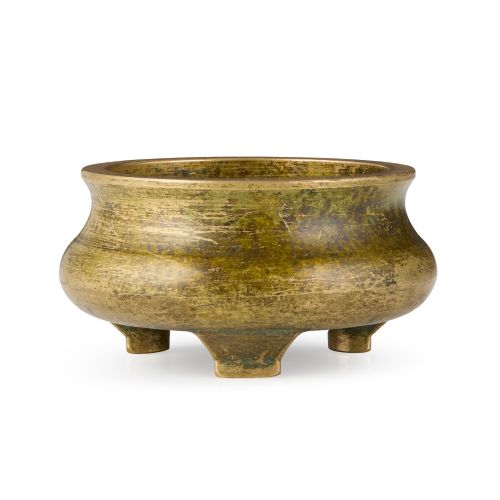
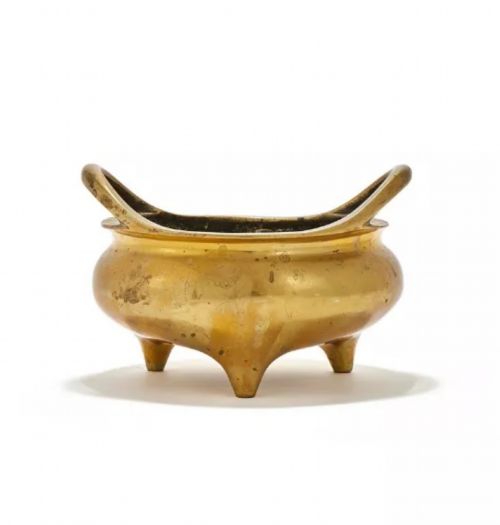
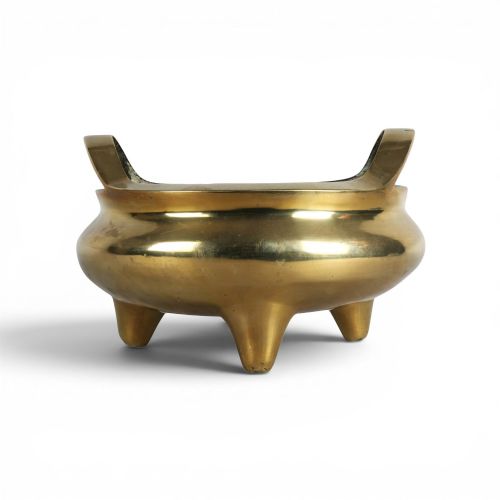
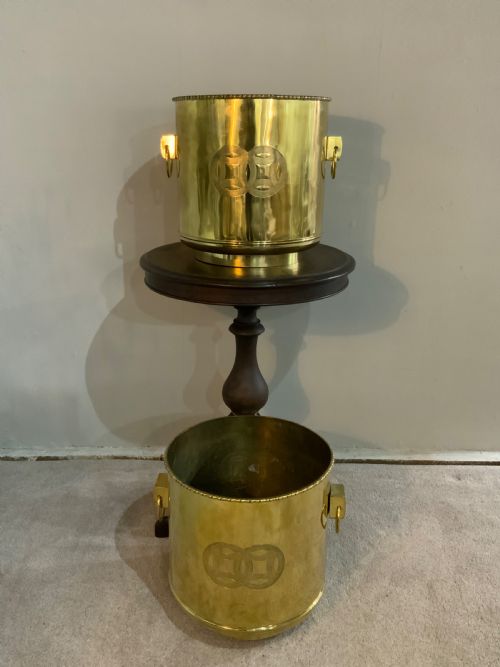
The selection on this page centres on utilitarian and decorative forms. Buyers meet heavy tripod censers, incense burners, and large jardinières alongside vases, teapots, and lidded bowls.
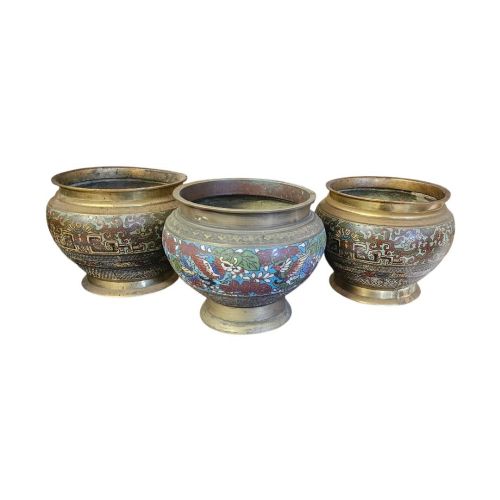
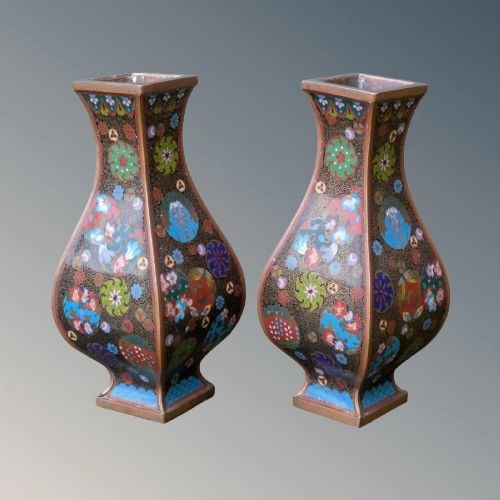
Objects range from plain polished brass and copper-alloy pieces to highly decorative vessels adorned with enamel work. Many date from the Qing Dynasty and the Meiji period, reflecting distinct regional aesthetics and scholarly pursuits.
How they were made
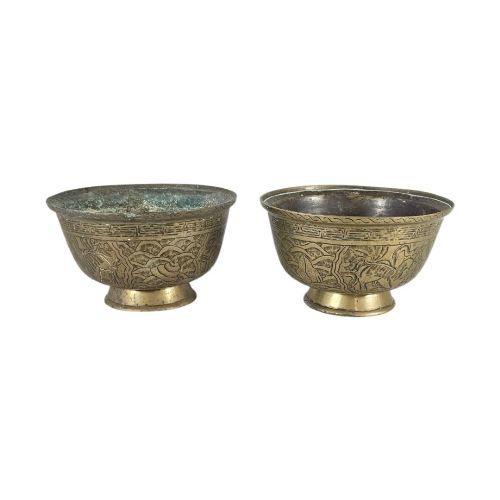
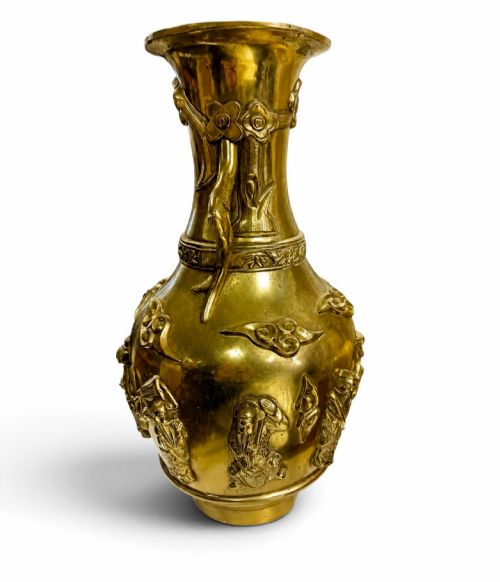
Metalworkers utilised casting techniques such as lost-wax methods to form heavy bronze, brass, and copper-alloy bodies for censers and vases. Artisans applied surface details through high-relief carving, chasing, and the insertion of contrasting metals.
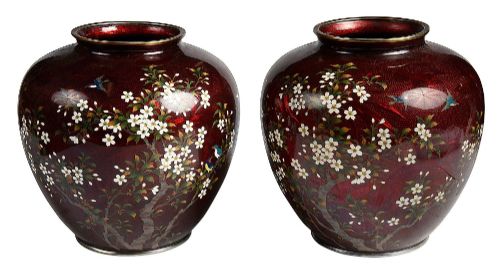
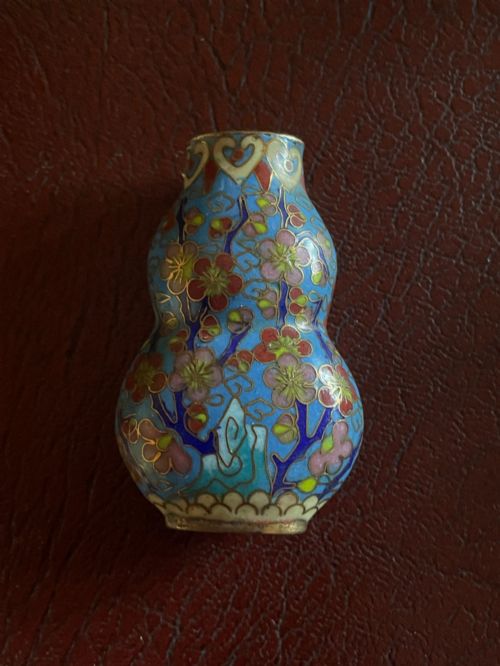
Enamel work appears frequently across the pieces, employing cloisonné techniques where thin metal wires create cells filled with coloured glass pastes before firing. Champlevé methods also feature, involving troughs gouged directly into the metal body to hold enamel.
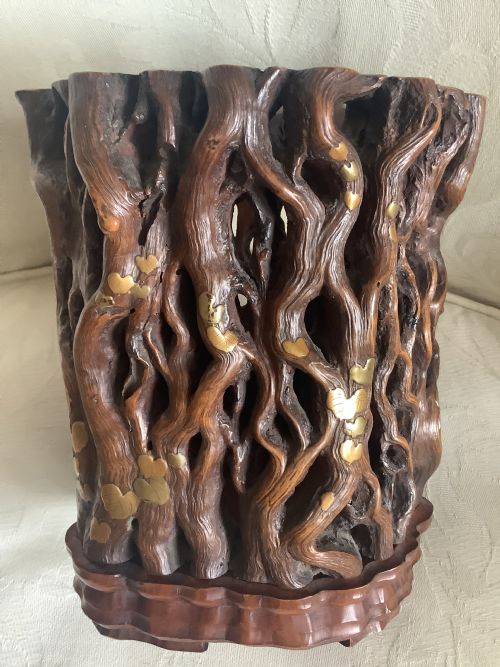
Additional materials such as hardwood bases, gilt bronze accents, and fabric elements complement the primary metal structures, demonstrating multidisciplinary workshop practices.
Several heavy vessels double as homes for houseplants, proving that nineteenth-century incense burners make surprisingly accommodating planters.
What varies in quality
Substantial physical weight and disciplined wall thickness distinguish superior metalwork from lighter commercial production. Finer vessels display confident balance in their tripod legs or handles and crisp definition in cast motifs like lion masks or dragons.
Enamel quality depends on the precision of the wirework and the depth of the vitrified colours. Smooth surfaces with minimal pitting and vibrant, well-fired pigments indicate accomplished craftsmanship during periods such as the Qing Dynasty or Meiji era.
The presence of seal marks or workshop inscriptions, including Xuande or Wu Bangzuo references, points to deliberate homage or period authority that elevates the standing of an individual piece.
The Asian Brass Vessel Glossary
- Censer
- A vessel designed for burning incense during rituals or scholarly reflection. These often feature tripod feet and perforated covers.
- Cloisonné
- A decorative metalwork technique where wire compartments are soldered to a base and filled with enamel paste. The piece is then fired and polished smooth.
- Jardiniere
- A large ornamental pot or bowl used to hold plants or flowers. They frequently appear in heavy bronze or brass.
- Champlevé
- An enamelling method where troughs are carved into the metal surface to receive vitreous enamel. It differs from wire-based cloisonné by utilising recessed channels.
- Xuande Mark
- An identifying stamp referencing the Ming dynasty emperor under whom exemplary bronzes were supposedly made. Later dynastic pieces often bear this mark as an honorific tribute.
Asian Brass Vessel: Frequently Asked Questions
What is cloisonne enamel?
Cloisonné is a technique where fine metal wires are soldered onto a bronze or copper base to form distinct decorative cells. Artisans fill these partitions with coloured enamel paste before firing the vessel at high temperatures.
This process results in a smooth, patterned surface displaying vibrant motifs of birds, flowers, and geometric designs. Collectors appreciate the intricate labour required to achieve clean lines and rich colour saturation.
Where were these vessels made?
The listings span multiple regions, with the majority originating from Chinese and Japanese workshops. Tibetan and Nepalese makers also contributed ceremonial ewers and butter tea pots.
Chinese pieces often reflect imperial styles of the Qing Dynasty, while Japanese items frequently date from the Meiji period and the late Edo era. Each origin brings distinct manufacturing techniques and aesthetic conventions.
How should I clean a brass vessel?
Dust these metal objects gently with a soft, dry cloth to prevent the accumulation of grit in crevices and enamel channels. Avoid harsh chemical polishes that strip historical patinas and damage delicate enamel work.
Maintaining a stable indoor humidity level protects combined materials like hardwood bases and fabric accents from drying out. Proper care preserves the surface character accumulated over centuries.