
Chinese Metal Censer
A Chinese metal censer brings centuries of ritual history and exceptional bronze casting into a modern interior.
Chinese Metal Censer
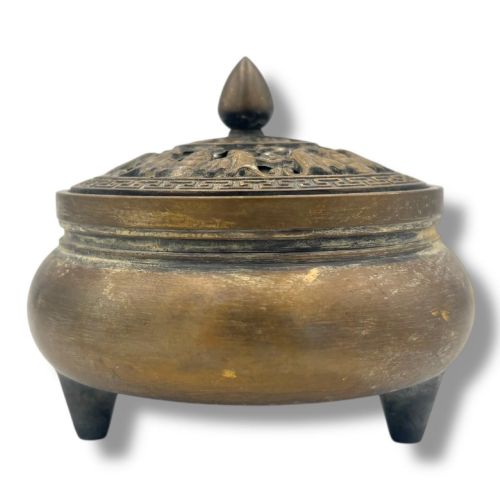
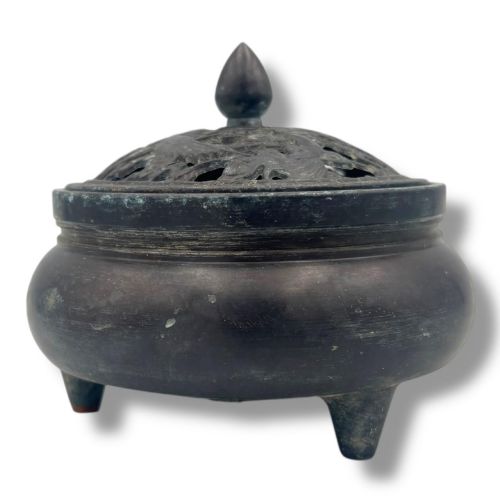
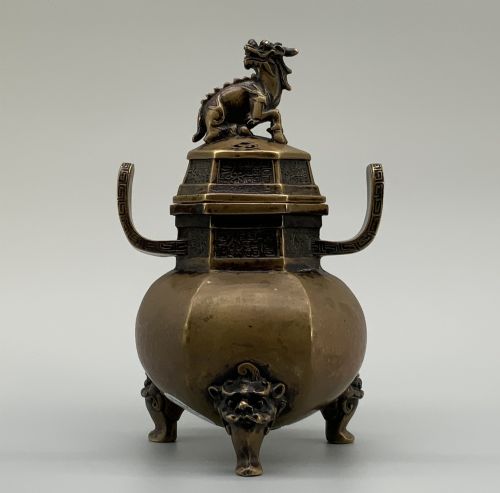
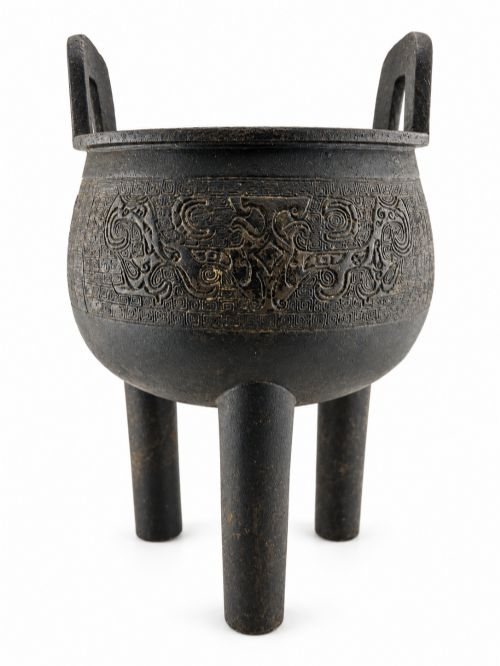
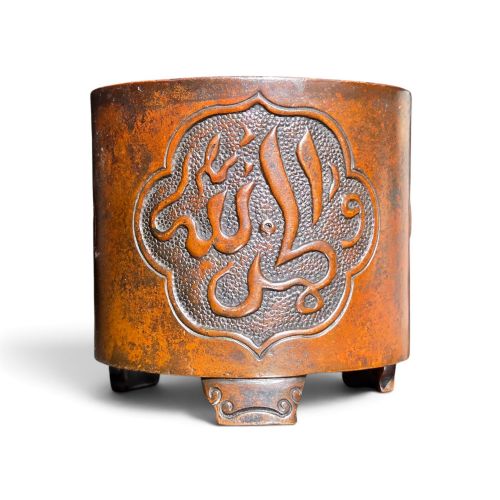
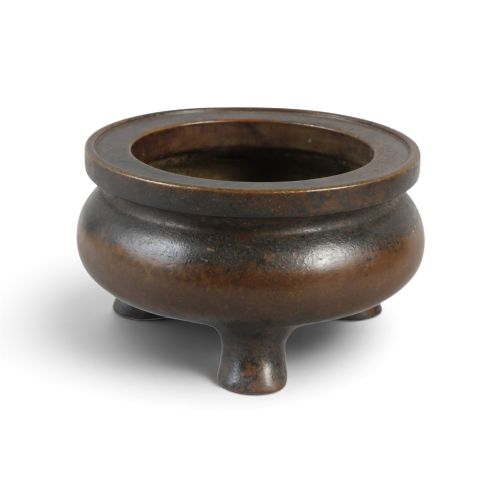
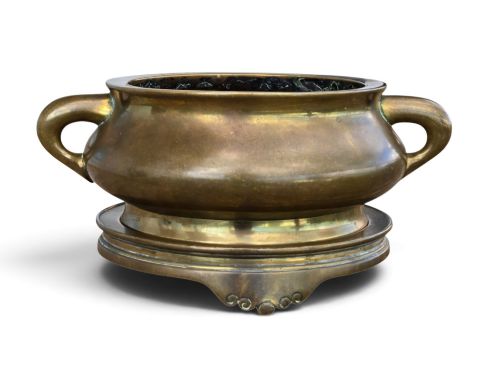
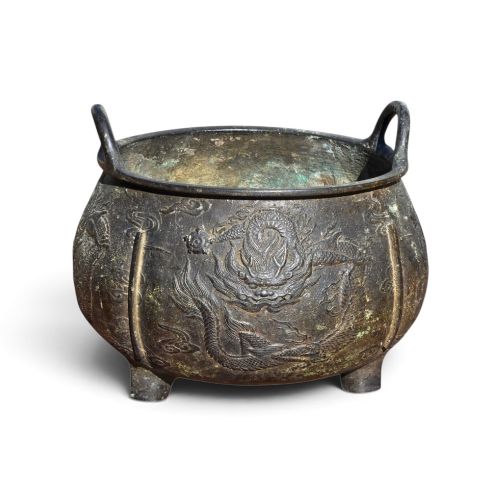
A chinese metal censer typically takes the form of a tripod vessel, a ritual ding, or a scholar's desk bowl designed for burning incense. These pieces span from the 16th-century Ming Dynasty through to the late Qing period and the early 20th century.
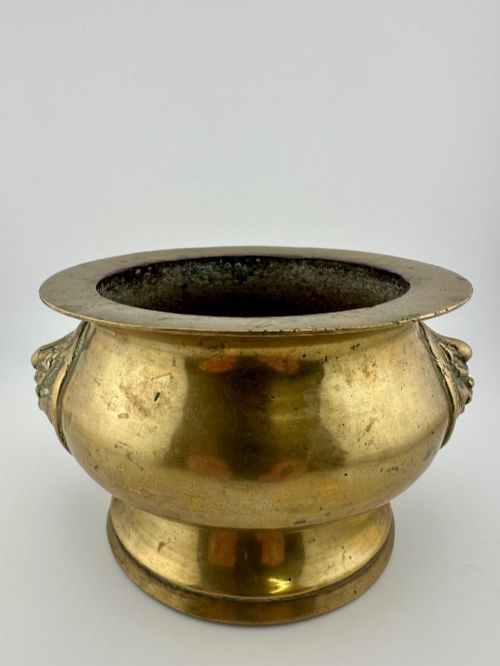
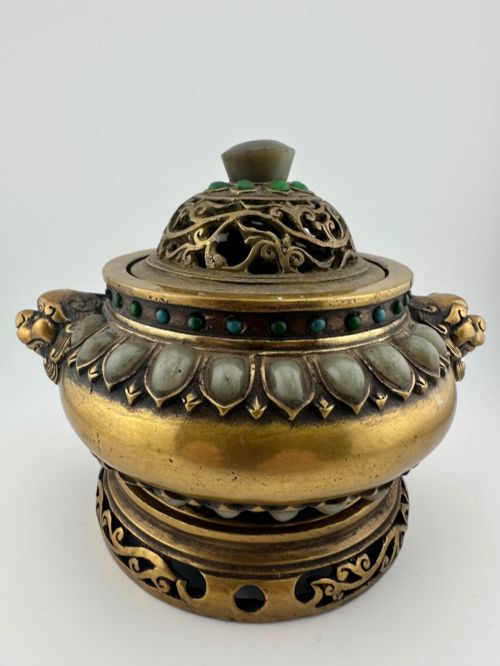
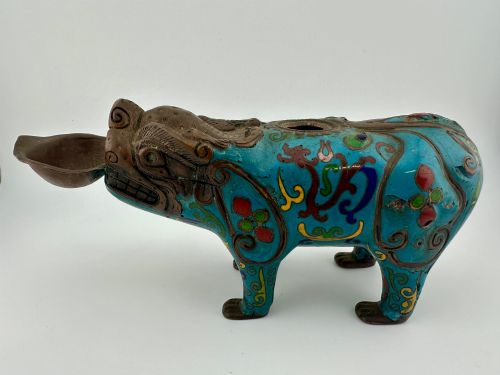
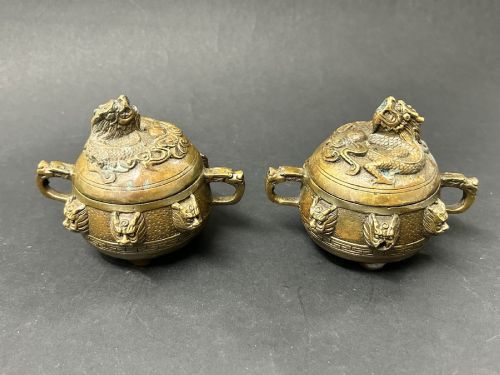
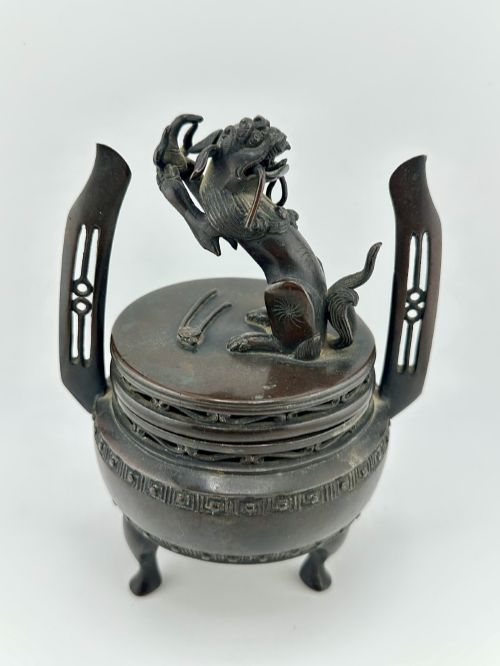
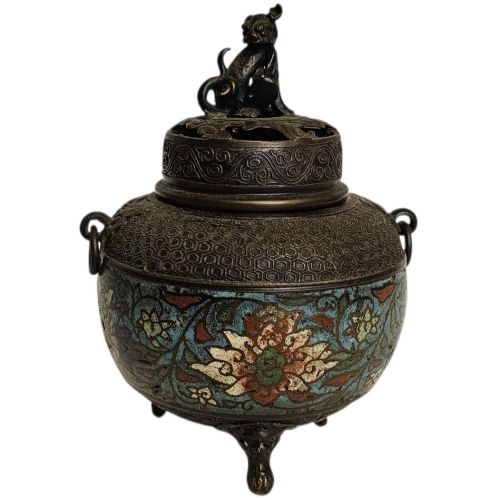
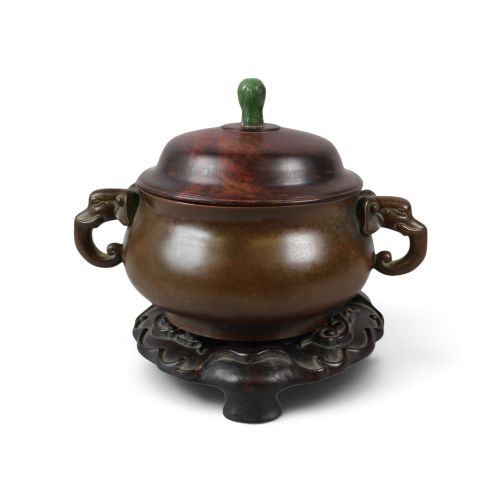
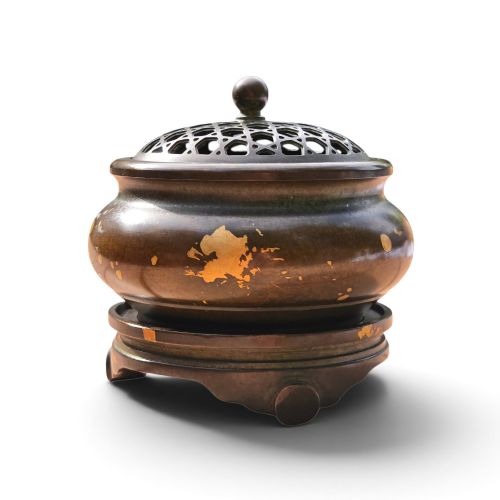
The most common examples on this page are bronze tripod vessels featuring lion-mask handles, elephant heads, or pierced floral lids. Buyers frequently encounter Scholar's censers alongside larger ritual forms intended for temple or altar use.
Origins range across official workshops and private studios, utilising forms that echo ancient Chinese bronzes while maintaining the aesthetic preferences of their specific period of manufacture.
Materials and Technique
Makers primarily utilised bronze, brass, and copper alloy, often casting the metal heavily to achieve substantial weight and acoustic resonance. Surface treatments include applied patination, gold-splashing, and the incorporation of cloisonne enamel.
Many vessels integrate hardstone components such as jade or other minerals for finials, covers, and stands. These mixed-media elements demonstrate advanced craftsmanship in combining cast metalwork with carved stone details.
Master-cast 19th-century specimens are known to produce a distinct bell-ring resonance when struck.
Craftsmanship and Weight
Quality rests in the precision of the casting, the thickness of the metal wall, and the crispness of relief details such as taotie masks or lotus panels. Superior examples display a dense, heavy construction and a refined natural patina developed over generations.
The presence of crisp reign or studio marks, alongside original matched stands and covers carved from hardwoods like zitan, elevates a piece. Lesser examples exhibit softer chasing, thinner walls, and weaker acoustic resonance when struck.
Wu Bangzuo
The Chinese Metal Censer Glossary
- Archaistic
- Design that deliberately emulates the ancient bronze styles of the Shang and Zhou dynasties. This aesthetic was particularly popular during the Ming and Qing periods.
- Tripod
- A vessel supported by three legs, which is the standard configuration for traditional incense burners and ritual vessels. These legs often terminate in animal paw or mask motifs.
- Cloisonne
- A technique where enamel paste is applied within compartments created by soldered wire strips on a metal body. The piece is then fired and polished to a smooth finish.
- Patina
- The surface sheen and coloration developed on metal through age, handling, and environmental exposure. A good patina indicates genuine historical weathering.
Chinese Metal Censer: Frequently Asked Questions
What was a chinese metal censer used for?
These vessels served primarily to burn aromatic incense in domestic studies, ancestral halls, and official temples. Scholars utilised smaller desk censers to aid concentration and purify the air during writing.
Larger ritual examples functioned as ceremonial vessels in religious or dynastic rites. Their design aimed to connect the user with ancient traditions and spiritual practices.
How do I identify the age of a censer?
Age is determined by evaluating the casting quality, the composition of the metal, the nature of the patina, and stylistic markers. Ming pieces often display deep, even patination and robust, unhurried casting.
Later Qing and 20th-century copies or continuations frequently incorporate reign marks that reflect an earlier period style rather than the actual date of manufacture. Comparing weight and relief crispness helps clarify the timeline.
Can I still burn incense in these antiques?
Many collectors continue to use solid bronze or brass censers for burning resin or stick incense. The durable metal alloy withstands heat without sustaining structural damage.
It is advisable to place a layer of ash or sand inside the bowl to protect the historic metal base from direct thermal shock. Care must be taken to clean away residue gently to preserve any original surface patina.
How should I display a censer at home?
A censer sits well on a dedicated wooden stand or low table where its three-dimensional form and surface texture remain visible. Placing it away from direct moisture helps protect the metal and any fitted hardstone elements.
Pairing a heavy bronze bowl with simpler surrounding decor allows the fine casting details and handles to command attention in a room.