
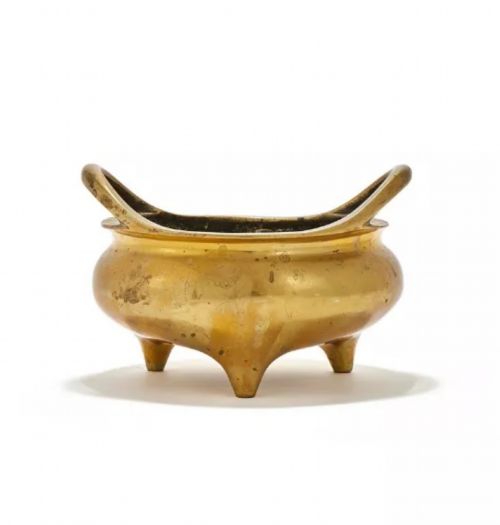
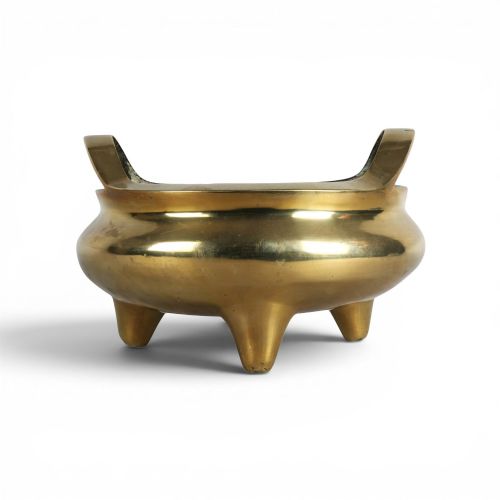
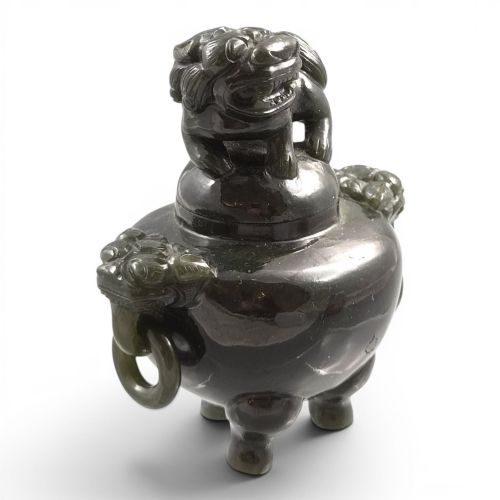

Tripod Metal Censer
When you search for a tripod metal censer, you enter a world of cast vessels designed to hold burning incense.
Tripod Metal Censer
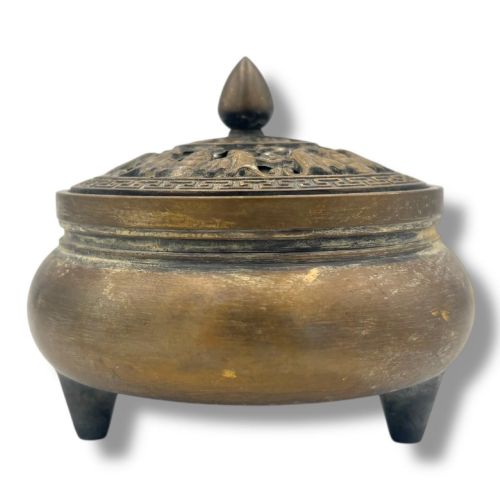
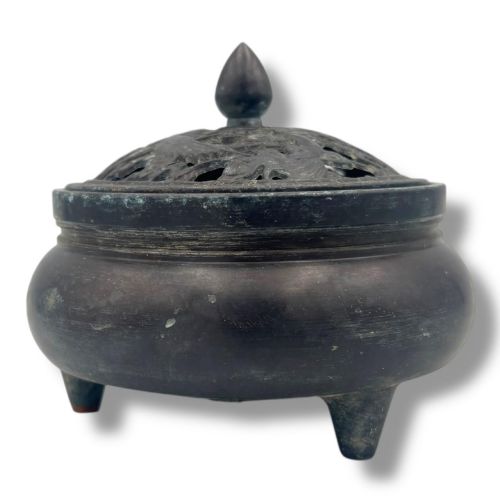
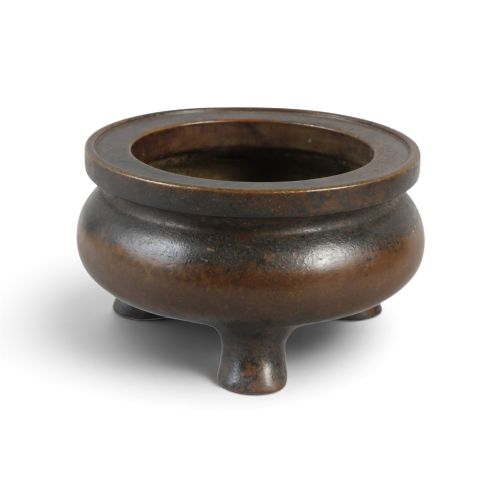
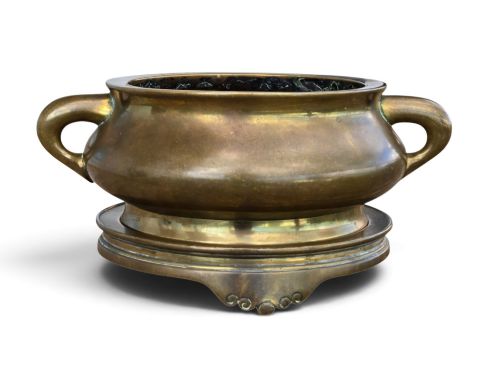
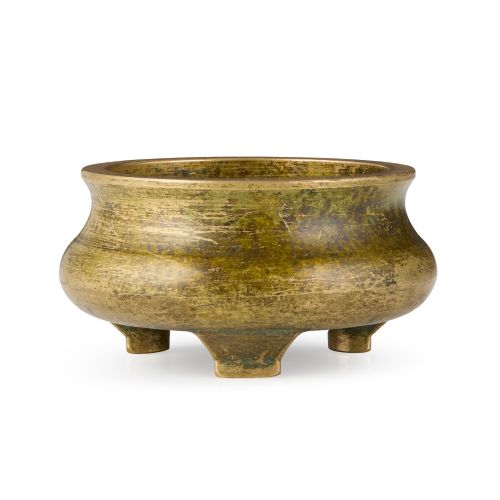
A tripod metal censer is a vessel supported by three feet, created to burn aromatic substances during ritual, scholarly, or decorative practices. These items frequently appear from East Asian traditions, spanning periods from the Ming and Qing dynasties through the late nineteenth century and the Edwardian era.
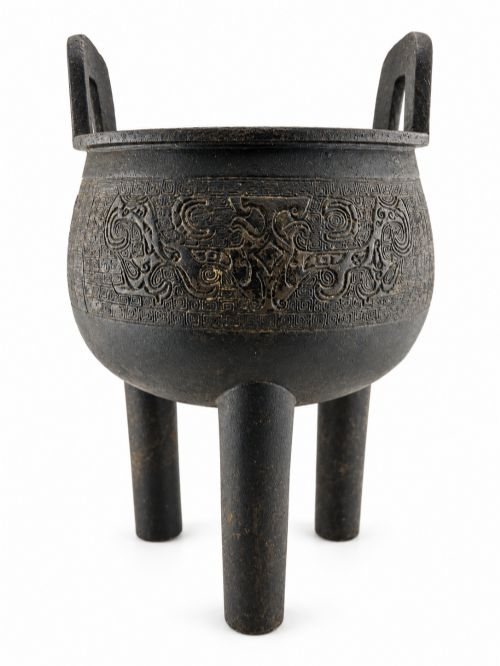
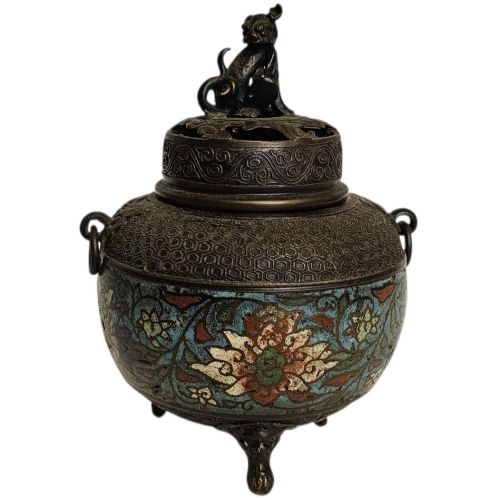
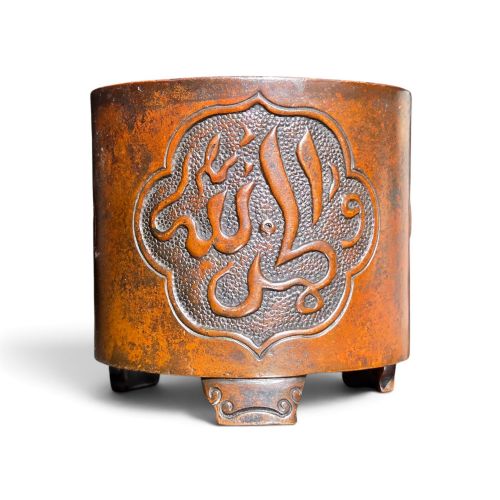
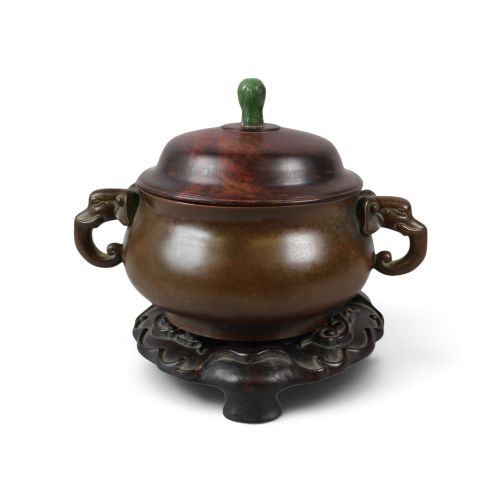
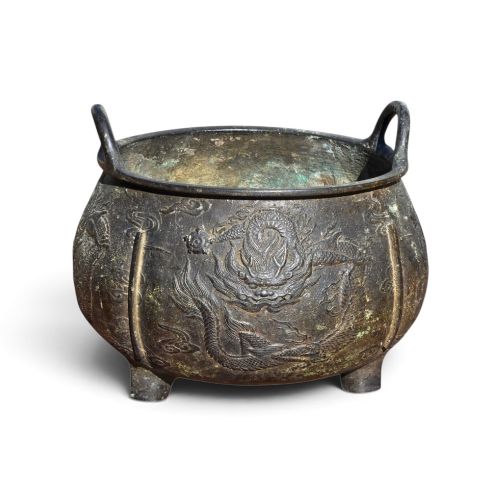
The objects take various forms on this page, including lidded censers, ritual ding vessels, cylindrical scholar's pieces, and open incense burners. Many incorporate matching custom stands made of hardwood or zitan to elevate the vessel.
Most examples found here originate from Chinese workshops, alongside Japanese Meiji period examples and pieces created for specific export markets such as the Sino-Islamic trade. They range from heavy, monumental ritual bronzes weighing several kilograms down to small scholarly miniatures.
How they were made
The construction relies primarily on bronze, brass, and copper alloy, shaped through careful casting methods that produce substantial weight and bell-ring resonance in the finished metal. Artisans frequently applied patination processes to achieve deep, dark green or brown surfaces on the bronze.
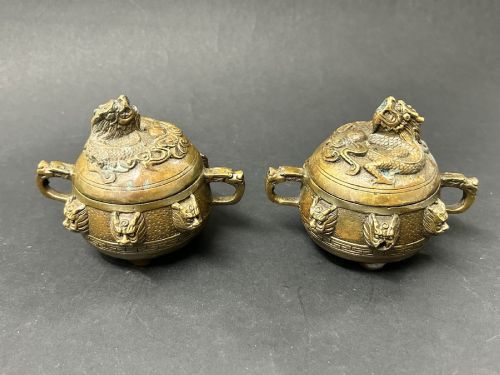
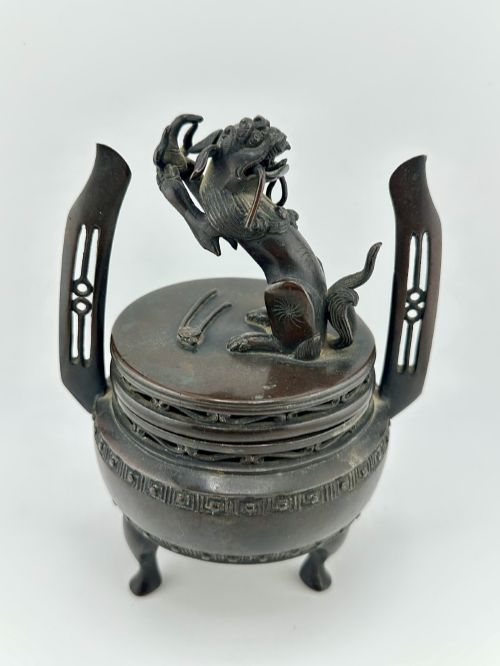
Surface ornamentation involved intricate techniques such as cloisonne enamel work, where metal wires form compartments filled with coloured glass pastes, alongside pierced metal lids and applied details. Handles and finials often take the form of dragons, qilin, elephants, or foo dogs, cast separately and attached to the main body.
Several heavy censers are noted for having a distinct bell-ring resonance when struck, proving that a scholar's burner could double as a musical instrument.
What varies in quality
Quality rests upon the purity and weight of the metal casting, distinguishing thin commercial vessels from heavily cast pieces with resonant walls and crisp surface details. The precision of the archaistic motifs, taotie masks, and relief decorations separates standard decorative items from superior scholarly studio pieces.
The presence of authoritative reign marks, such as those referencing Xuande, Qianlong, or Wu Bangzuo, influences desirability when matched by superior execution and original components. Furthermore, the survival of matching carved hardwood stands and pierced lids intact adds considerable completeness to the vessel.
Wu Bangzuo·Xuande Mark·Qianlong Marks
The Tripod Metal Censer Glossary
- Archaistic
- A style that deliberately mimics the archaic forms, motifs, and ritual vessels of ancient dynasties. This aesthetic was particularly favored during the Ming and Qing periods for scholarly bronzes.
- Cloisonne
- A metalworking technique where flat wires are soldered to a metal base to create cells, which are then filled with enamel paste and fired. It produces vibrant, multicolored surface patterns.
- Ding
- An ancient Chinese ritual vessel form featuring a round or square bowl supported by three or four legs. In later centuries, scholars and collectors repurposed these shapes for incense burning.
- Qilin
- A mythical hooved Chinese creature symbolizing prosperity and serenity, commonly depicted as a finial perched atop a censer lid. Its presence adds symbolic protection to the vessel.
Tripod Metal Censer: Frequently Asked Questions
What is a tripod metal censer used for?
These vessels were historically used to burn incense in scholar's studios, temples, and formal domestic interiors to purify the air and aid meditation.
Today, collectors value them as sculptural works of art that display exceptional metalwork and ancient design traditions.
How do I identify a Qing dynasty censer?
Qing pieces often feature archaistic motifs, taotie masks, or specific reign marks associated with emperors like Qianlong or earlier dynastic periods.
Weight, patination, and the complexity of cast elements such as dragon handles provide additional clues to their age.
What is the difference between brass and bronze here?
Bronze is an alloy of copper and tin, prized for its ability to accept deep patination and produce a resonant chime when struck.
Brass is a copper and zinc alloy that tends to have a brighter golden tone and appears frequently in later decorative export pieces.