


Arts Crafts Metalwork
Arts crafts metalwork brings honest construction and tactile charm into your home through hammered surfaces and jewel-like enamel details.
What these pieces are
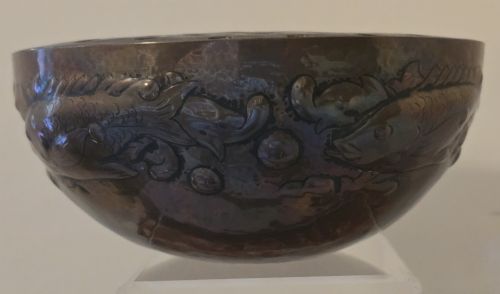
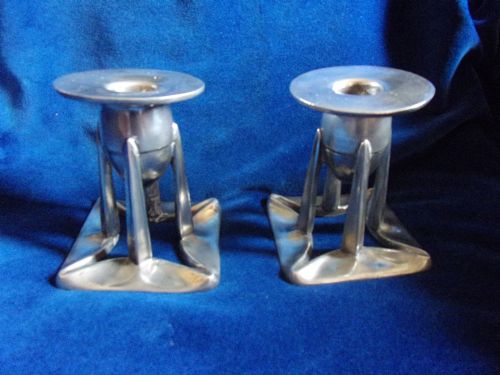
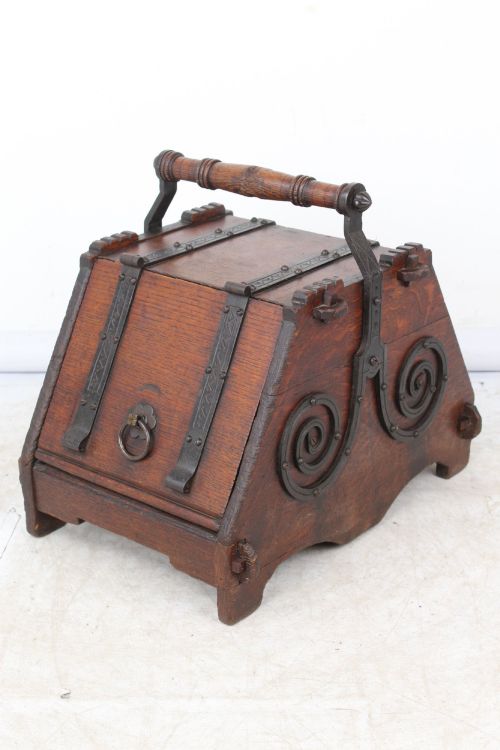
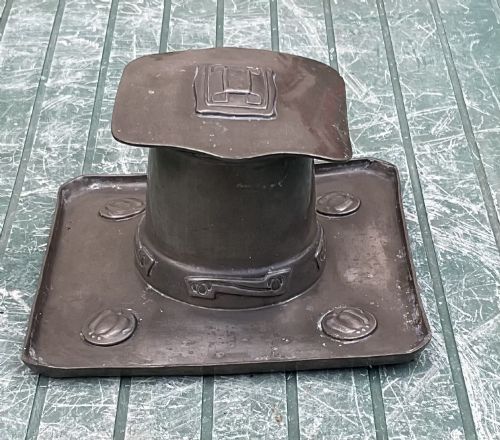
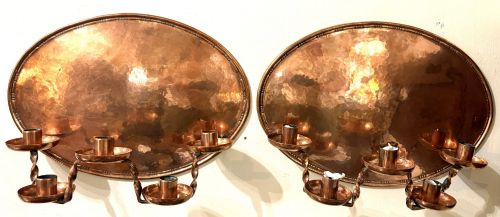
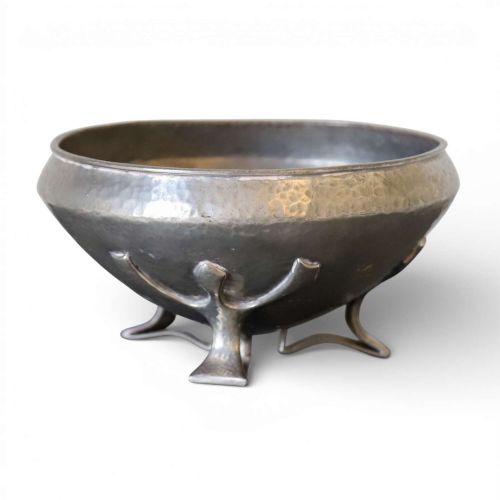
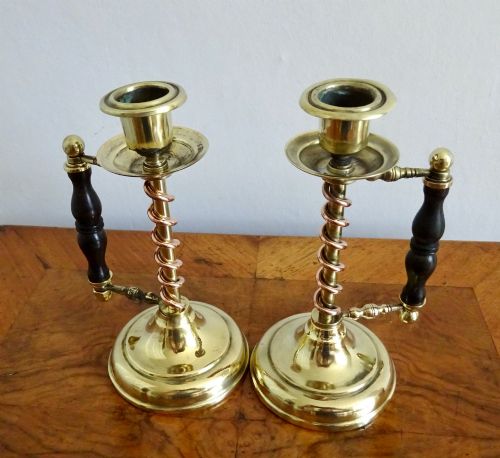
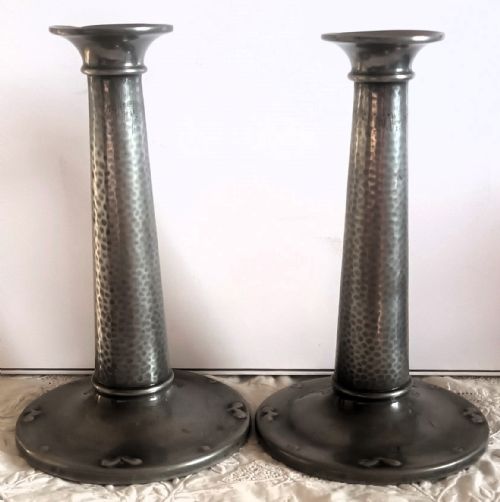
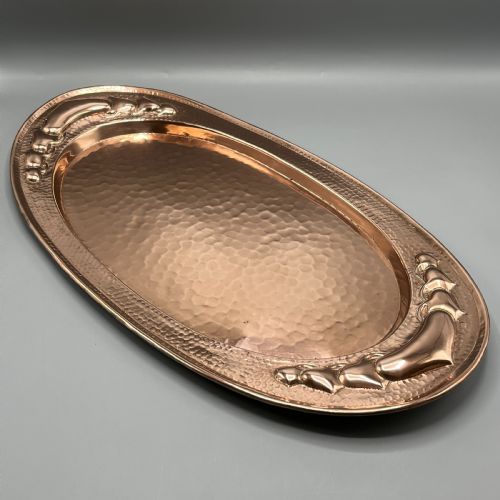
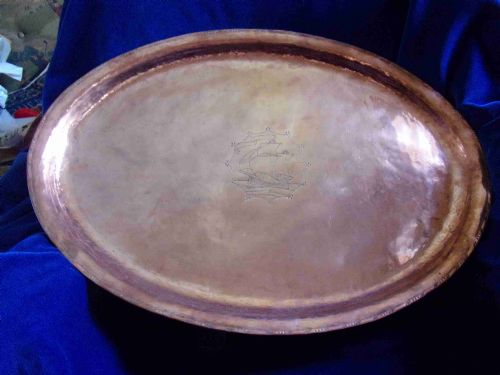
The forms span practical desktop and display items, including trinket boxes, candlesticks, and a planter. You also find larger decorative items such as a pedestal tazza centrepiece dish and chargers.
Copper dominates the material palette, frequently paired with brass, enamel, and wood components. These utilitarian yet decorative items reflect the movement's focus on handmade quality in everyday objects.
How they were made
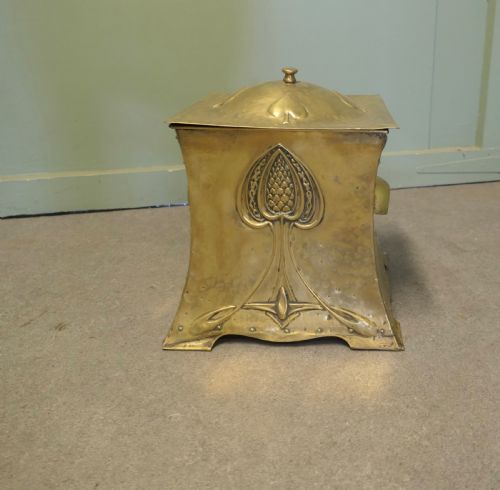
The construction relies heavily on copper and brass, shaped into vessels, boxes, and holders. Metalworkers utilised hammering and sheet assembly techniques to build form and texture.
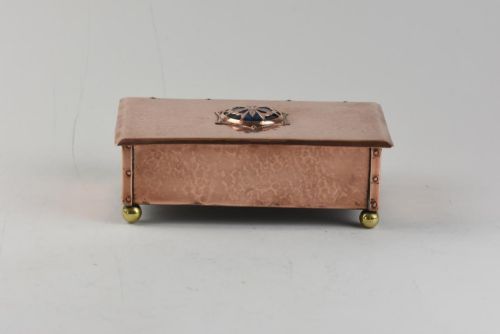
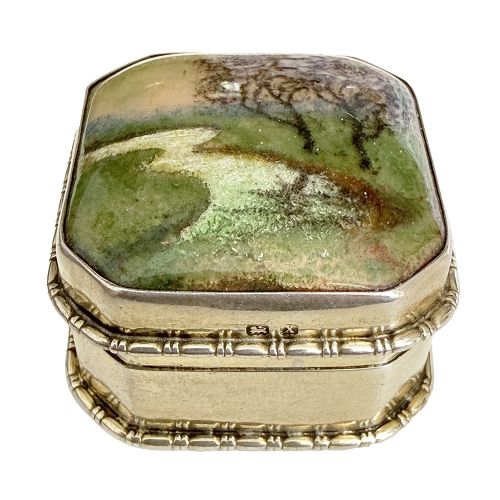
Decoration often includes central enamel cabochons that add vibrant colour to the metallic surfaces. Artisans also applied overlay elements, such as copper butterflies, to enhance the visual depth of boxes.
Retail Price Guide 2026
Typical UK retail prices for arts crafts metalwork, calculated from the Sellingantiques database of over a million retail prices indexed since 2003. This retail price guide relies exclusively on Sellingantiques data; no external sources or auction records are used, so the figures do not describe the wider market.
Listings span three distinct decades: 1900, 1910, and 1930.
What varies in quality
Quality rests in the crispness of the hand-beaten surface and the security of the construction. Pieces that integrate contrasting materials like enamel cabochons demonstrate greater ambition in design.
The finesse of applied overlays, such as mounted copper butterflies, separates standard production from finer examples. Preservation of the original patination also determines the visual success of each piece.
The Arts Crafts Metalwork Glossary
- Cabochon
- A smoothly rounded, polished gemstone or enamel piece without facets. This technique places concentrated colour against plain metal surfaces.
- Tazza
- A shallow bowl or dish mounted on a pedestal foot. It serves as a decorative centrepiece for display.
- Charger
- A large decorative plate or tray meant for display rather than dining. These items showcase expansive metal surfaces.
- Overlay
- A decorative layer of metal applied on top of another surface. It creates relief and visual contrast.
Frequently Asked Questions
What materials are used?
The listed items utilise copper and brass as the primary structural metals. Enamel and wood frequently appear as secondary decorative or supportive components.
Surface treatments highlight the natural tones of these metals rather than hiding them under heavy paint.
How do I date them?
Dating relies on the recorded periods of 1900, 1910, and 1930 visible across the pieces. Stylistic markers and material combinations help place items within this early twentieth-century window.
Construction methods also provide clues to the era of manufacture.
How were they used?
These items served both decorative and practical functions in domestic spaces. Trinket boxes held small valuables, while candlesticks provided illumination.
Planters and centrepiece dishes brought handmade artistry into daily interior decoration.
Where should I display them?
Place copper boxes on desks or sideboards where their enamel details and overlays catch the light. Chargers and tazzas look striking on mantelpieces or open shelving.
Pair candlesticks together on dining tables or side tables to balance the metallic tones.