


Arts Crafts Fireside Box
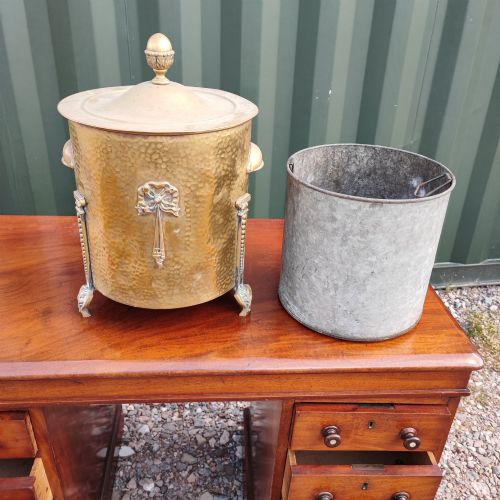
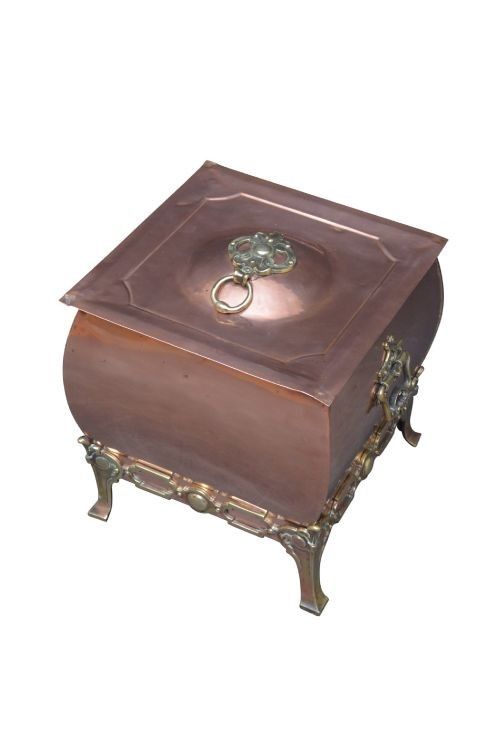
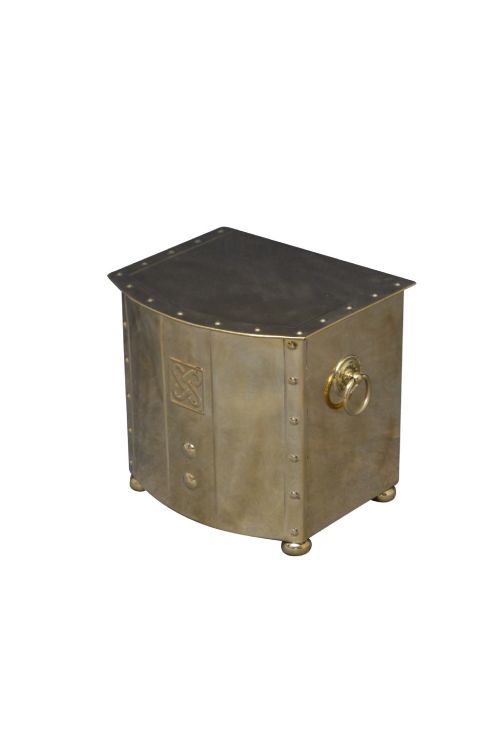
These arts crafts fireside boxes are practical metal and wood hearth containers designed to store coal and logs beside the fire.
Arts Crafts Fireside Box
When you search for arts crafts fireside boxes, you encounter utilitarian hearth containers fashioned to hold coal or logs for domestic fires. These pieces appear in forms such as coal boxes, log bins, scuttles, purdoniums, and slipper boxes dating from the nineteenth century through the Edwardian period and into the 1930s.
The objects take the form of lidded bins, buckets, and carriers, frequently incorporating drop handles or shovels. You find examples styled in the Arts and Crafts manner alongside related Late Victorian, Art Nouveau, and Art Deco designs.
Oak and wood bodies frequently appear mounted with metal fittings, while entirely metallic vessels utilise copper, brass, iron, and galvanised metal. Some variations feature decorative details such as galleon motifs, spade ornaments, and hand-beaten panels.
Materials and construction
Makers constructed these fireside containers primarily using timber frames of oak and other woods combined with sheet metals such as copper and brass. Metal components were frequently hand-beaten, whilst iron and wrought iron provided structural hinges, handles, and bound supports.
Wooden bodies were constructed to house removable metal linings or bins designed to contain coal and logs cleanly. Artisans combined riveted sheet metal, embossed panels, and bound metal straps to reinforce the storage receptacles.
Listings feature pieces spanning the nineteenth century, the Edwardian era, and the 1930s, constructed in copper, brass, iron, and oak.
Assessing quality and execution
Quality in these hearth containers rests on the weight of the metal used and the crispness of any hand-beaten detailing or repoussé work. Solid oak construction with secure joinery distinguishes better wooden boxes from simpler utility pieces.
The integrity of original hinges, drop handles, and internal metal liners dictates the structural success of the box. Pieces displaying integrated decorative elements like embossed galleons or spade designs demonstrate a higher degree of artisan effort.
Liberty London
The Arts Crafts Fireside Box Glossary
- Purdonium
- A domestic coal container, usually featuring a sloping front and a hinged lid, designed to sit beside a fireplace. It often includes an internal metal shovel and liner.
- Repoussé
- A metalworking technique where the artisan hammers the metal from the reverse side to form a raised design in relief on the front. This method was widely utilised on copper panels of the period.
- Scuttle
- A metal bucket or pail with a swinging handle and a mouth shaped for pouring fuel onto a fire. These vessels frequently accompanied hearth sets.
- Slipper box
- A fireside box featuring a hinged lid, historically used as a seat or footstool while also storing fuel inside. Some examples incorporated upholstered leather tops.
- Wrought iron
- Iron that has been heated and worked with tools by a smith to create structural brackets, hinges, and handles. It provides robust support for wooden and metal boxes.
Arts Crafts Fireside Box: Frequently Asked Questions
What is an arts crafts fireside box?
These pieces are utility containers built from wood and metal to hold coal and logs beside a domestic fireplace.
They take forms such as bins, buckets, and purdoniums, often combining oak bodies with hand-beaten copper panels.
How were coal boxes used?
They stored fuel close to the hearth so coal and logs remained tidy and accessible for the fire.
Many designs included internal metal liners to catch dust and small shovels to transfer fuel efficiently.
How do I date these pieces?
Dating relies on stylistic markers and materials, spanning from nineteenth-century Victorian designs through Edwardian pieces to 1930s Art Deco examples.
Construction methods and metalworking styles help place the boxes within these distinct periods.
Can these boxes double as seats?
Certain specialised forms, such as slipper boxes, were constructed with padded tops specifically to function as fireside seats.
Most standard bins and coal scuttles, however, are strictly intended for fuel storage and should not bear weight.