


Edwardian Oak Coal Bin
These Edwardian oak coal bins combine robust utility with period craftsmanship, offering a practical way to store fuel beside the hearth.
Edwardian Oak Coal Bin
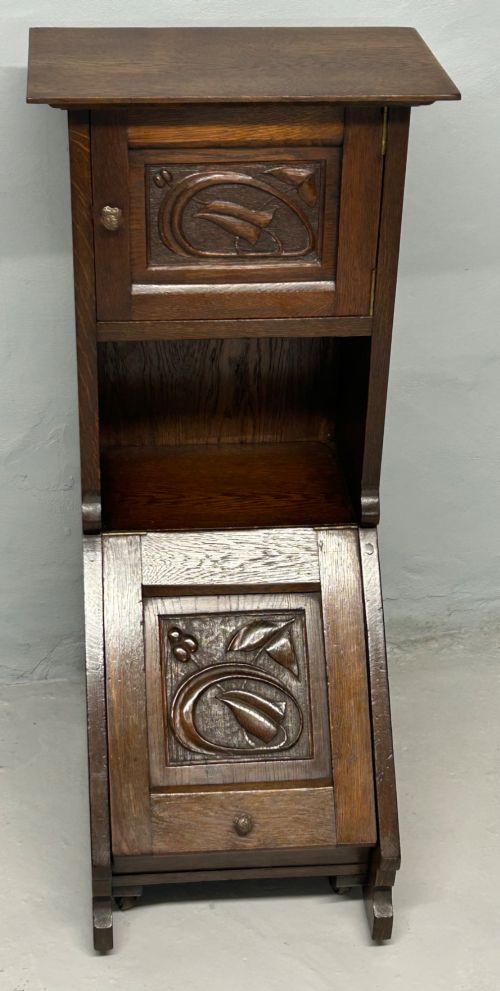
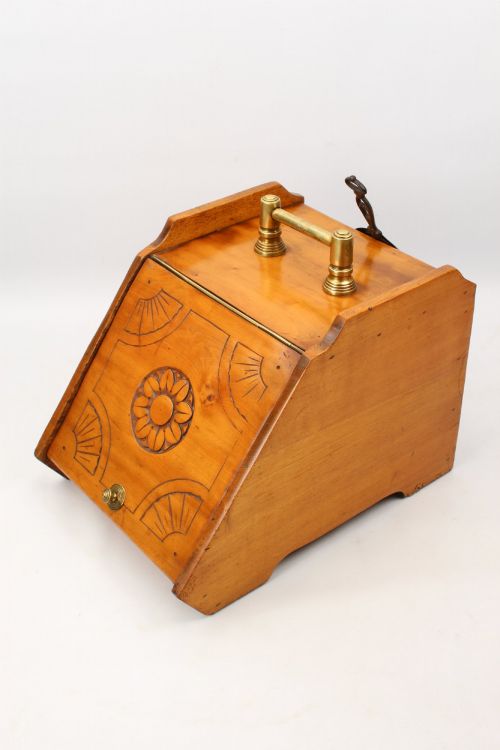
An edwardian oak coal bin is a functional fireside accessory designed to hold solid fuel neatly beside the fireplace. The examples on this page predominantly date from the Victorian and Edwardian periods, utilising durable timbers suited to daily domestic service.
Buyers encounter various forms ranging from traditional coal boxes and purdoniums to coopered peat buckets and log boxes. Many of these pieces incorporate drop-front compartments, hinged lids, or dedicated shovel holders for ease of use.
Origins span English workshops as well as Edwardian Scottish designs, showing how regional makers adapted standard forms. Oak serves as the primary structural wood, frequently paired with metal fittings to withstand the heavy wear of carrying fuel.
Materials and construction methods
Construction relies heavily on solid oak, chosen for its strength and grain, sometimes shaped through coopered stave techniques seen in peat buckets. Woodworkers joined these bodies to endure the constant loading and unloading of heavy coal and logs.
Metal components play a structural and decorative role, with brass handles, hinges, and iron mounts securing the wooden frames. Copper panels also appear, particularly on Arts and Crafts examples, adding a distinct metallic contrast to the timber.
Listings feature items built from oak, brass, iron, copper, and mahogany across Victorian and Edwardian periods.
Judging the standard of manufacture
Quality reveals itself in the solidity of the timber joinery and the original integrity of internal metal liners. Pieces that retain their matching shovels and secure hinges represent a higher standard of preservation.
Carved detailing and thoughtful hardware placement separate utilitarian boxes from finer decorative pieces. The weight of the brass mounts and the precision of the coopered staves indicate the original maker's investment of time and skill.
The Edwardian Oak Coal Bin Glossary
- Purdonium
- A specific type of coal container featuring a sloping front and a drop-down door for easy access to the fuel compartment. This form often includes a built-in compartment to store the coal shovel.
- Coopered
- A method of construction where tapered wooden staves are joined side by side and bound with metal hoops, traditionally used for buckets and barrels. This technique provides exceptional structural strength for holding loose materials like peat or logs.
- Arts and Crafts
- A design movement valuing handcraftsmanship, simple forms, and natural materials over mass production. Pieces from this style often feature exposed metal panels and honest construction methods.
- Fireside Accessories
- Practical items kept around the hearth, including coal boxes, log bins, and shovels. These objects combined domestic utility with decorative presence in period reception rooms.
Edwardian Oak Coal Bin: Frequently Asked Questions
What is a purdonium?
A purdonium is a specialised coal container with a sloping front and a drop-down door designed to make shoveling fuel straightforward.
They often include a removable metal liner and a slot at the back or side to hold a matching shovel.
How do I use a coal bin safely?
These historical bins work best for dry storage of logs, coal, or peat briquettes beside an active fireplace.
Ensure any metal liner is clean before loading fuel, and avoid storing damp materials directly against the antique oak interior.
How can I tell Victorian from Edwardian pieces?
Victorian examples frequently display heavier carved decoration and darker timber finishes on the oak body.
Edwardian designs often lean towards cleaner lines, sometimes incorporating Arts and Crafts copper panels or simpler brass mounts.
Why do some bins have liners?
Original metal liners protected the wooden structure from coal dust, moisture, and physical impact during refilling.
Finding a piece with its original liner intact preserves its historical completeness and practical function.