



Art Nouveau Silver Stand
An art nouveau silver stand brings flowing botanical lines and organic grace to a table, combining utility with distinct turn-of-the-century design.
Art Nouveau Silver Stand
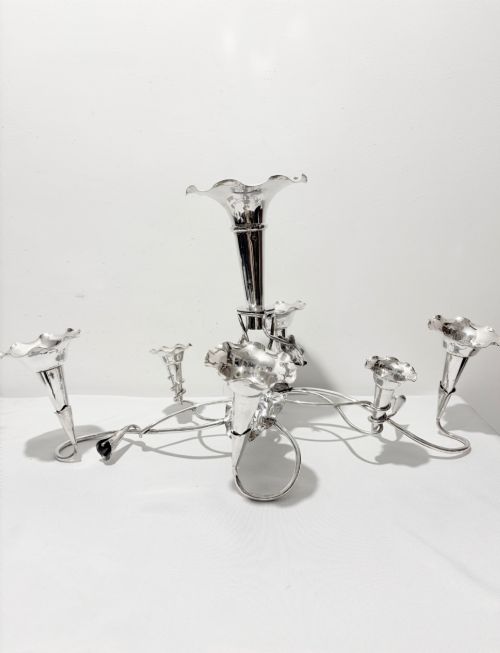
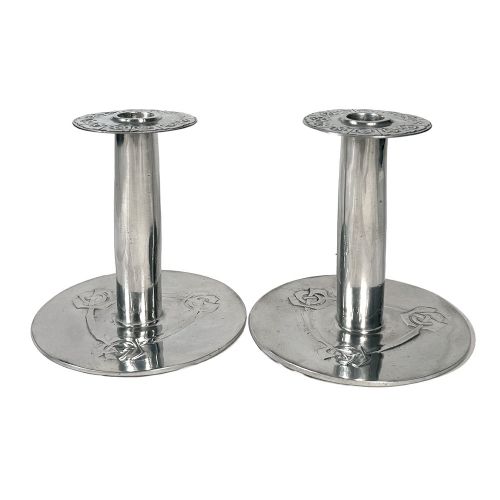
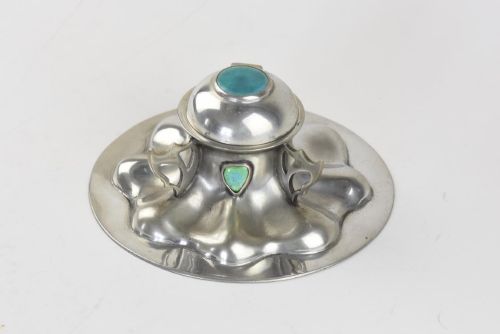
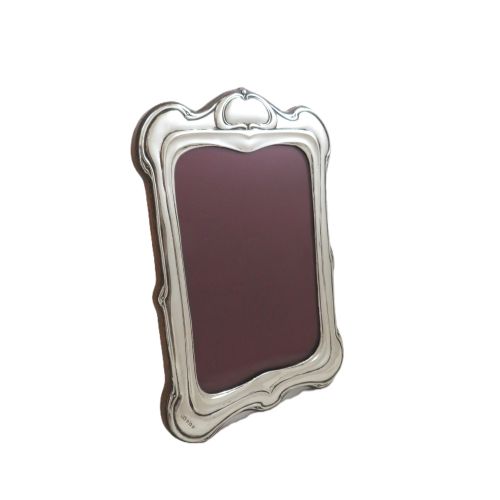
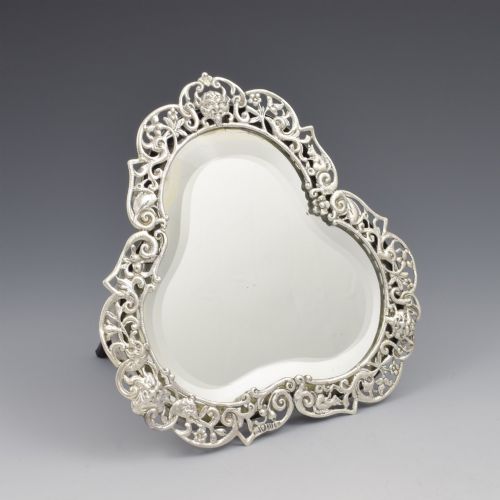
When searching for an art nouveau silver stand, collectors encounter various domestic accessories designed around nineteen hundred, including centrepieces, fruit bowls, and pedestal stands. These pieces often incorporate silver, silver plate, or silvered metal alongside glass inserts or raised mounts.
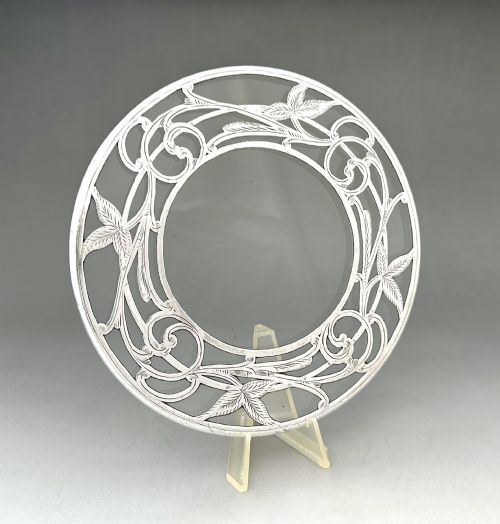
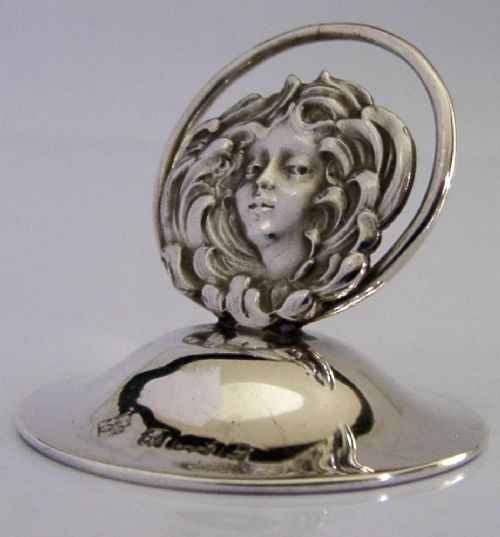
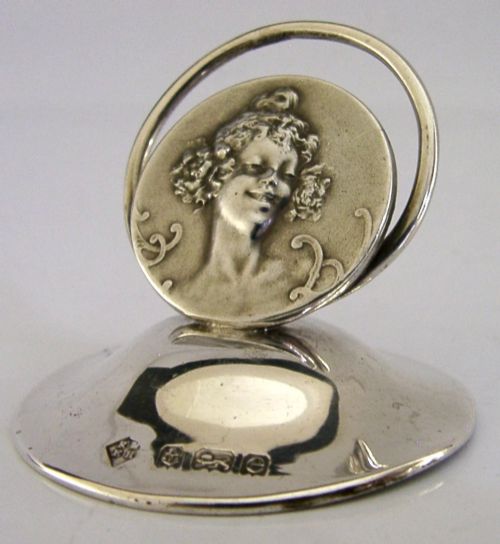
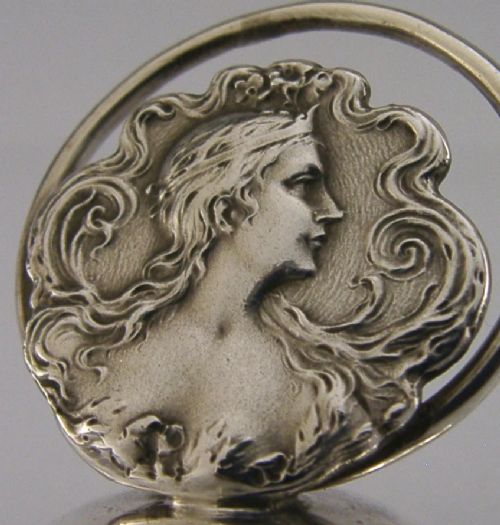
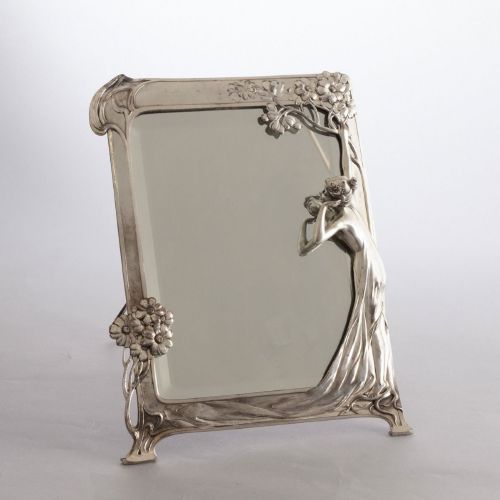
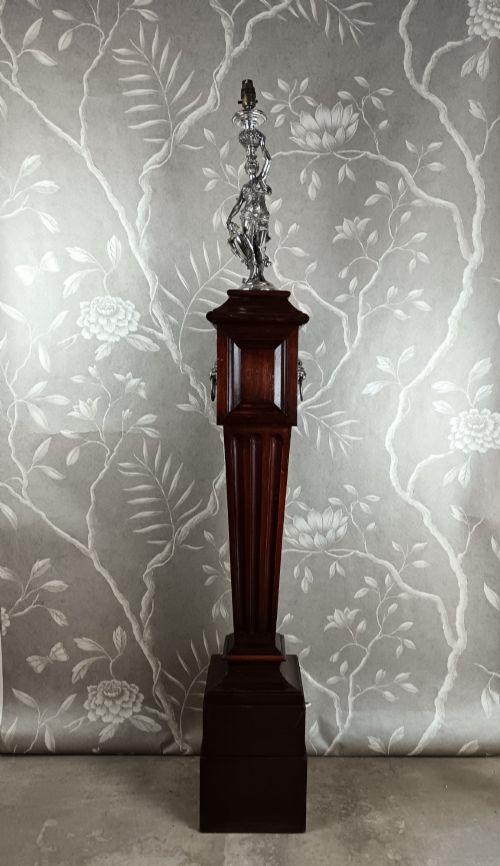
The aesthetic leans heavily on stylised plant forms, flowing stems, and maiden figures characteristic of the period. Forms range from simple pierced coasters to large multi-tiered table centrepieces produced across Britain and continental Europe.
Materials and construction
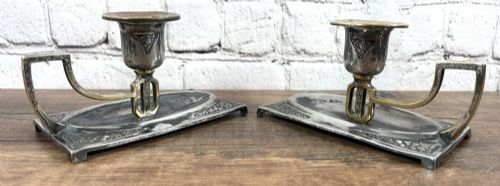
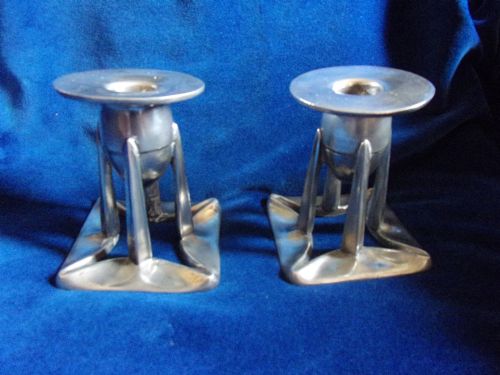
Metalwork from this era relies on casting, spinning, and stamping techniques, utilising sterling silver, pewter, brass, and copper. Many continental European items utilise silvered Britannia metal or plated alloys, finished with applied patination to accentuate the relief details.
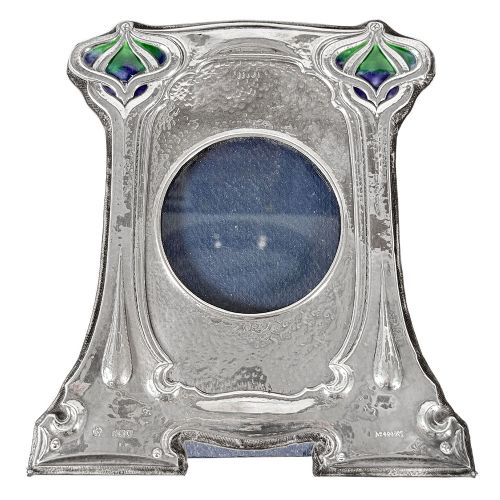
Makers frequently combined metal frames with blown or cut glass bowls, liners, and crystal dishes. Enamel cabochons and ceramic inserts, such as Ruskin pottery pieces, occasionally provide vibrant colour contrasts within the metalwork.
Art Nouveau Silver Stand Retail Price Guide 2026
Typical asking prices for art nouveau silver stand among the pieces listed under this phrase on Sellingantiques today, from the lower quarter to the upper quarter. They describe what is for sale here now, not the wider market.
Listings feature works from British and continental European makers, spanning sterling silver, pewter, brass, and glass combinations.
Assessing craftsmanship and finish
Quality rests primarily on the crispness of the casting and the sensitivity of the hand-finishing work. Superior pieces retain sharp details in hair, drapery, and floral motifs without losing definition through over-polishing.
The integrity of the original components also determines merit, particularly where glass inserts match the exact contours of the metal stand. Maker marks and stamps provide secure attribution to notable manufacturing houses and independent designers.
Archibald Knox·Liberty and Co·WMF·William Hutton and Sons·Maurice Dufrene
The Art Nouveau Silver Stand Glossary
- Centrepiece
- A large decorative table stand, often featuring glass bowls or epergne arms designed to hold fruit or flowers as a focal point.
- Pewter
- A malleable tin alloy utilised extensively by period metalworkers for sculptural domestic objects and candlesticks.
- Jugendstil
- The continental European manifestation of the movement, prevalent in Germany and Austria, sharing roots with British Arts and Crafts design.
- Cabochon
- A polished, unfaceted gemstone or ceramic disc inset into metalwork for decorative accent.
- Silvered metal
- A base metal substrate treated with a thin deposition of silver to achieve the visual weight of solid silver economically.
Art Nouveau Silver Stand: Frequently Asked Questions
What is an art nouveau silver stand used for?
These pieces served practical dining functions, holding fruit, flowers, or sweetmeats during formal Victorian and Edwardian meals. They acted as decorative centerpieces on dining tables and sideboards.
Over time, their role shifted from functional diningware to decorative display items appreciated for their sculptural qualities and distinct period aesthetic.
How do I identify the period of a stand?
Examination of maker marks, stamps, and hallmarks provides the most reliable dating evidence. Stylistic indicators, such as asymmetrical plant motifs and whiplash lines, typically point toward the turn of the twentieth century.
Materials also offer clues, as the widespread adoption of pewter and silvered alloys coincides directly with the height of the movement around nineteen hundred.
How should I care for a silver-plated or pewter stand?
Gentle dusting with a soft cloth keeps surfaces clean without wearing away thin plating or delicate patination. Avoid abrasive commercial polishes that can damage antique finishes.
If the piece incorporates removable glass liners or bowls, wash these separately in warm soapy water and dry thoroughly before replacing them in the metal frame.