



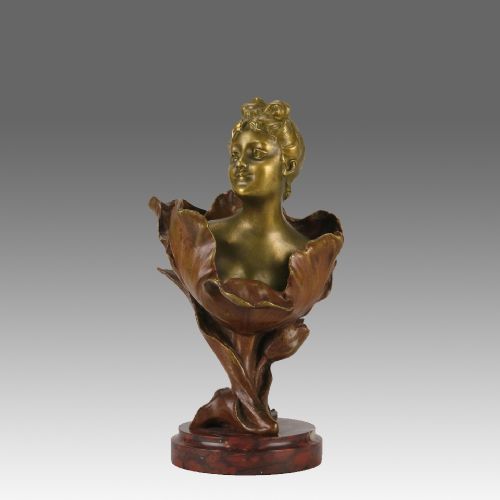
Art Nouveau Figure
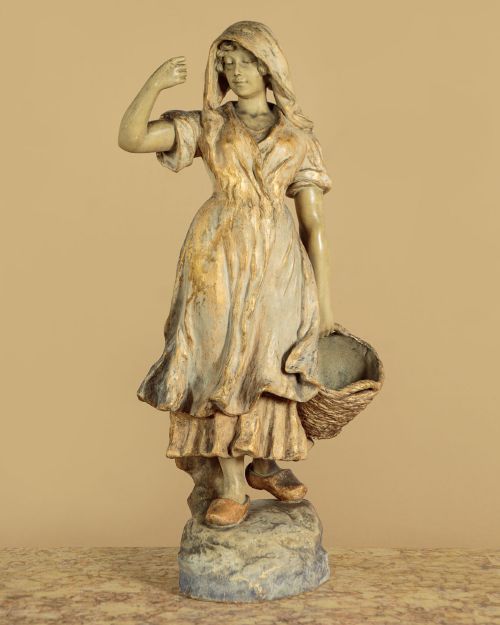
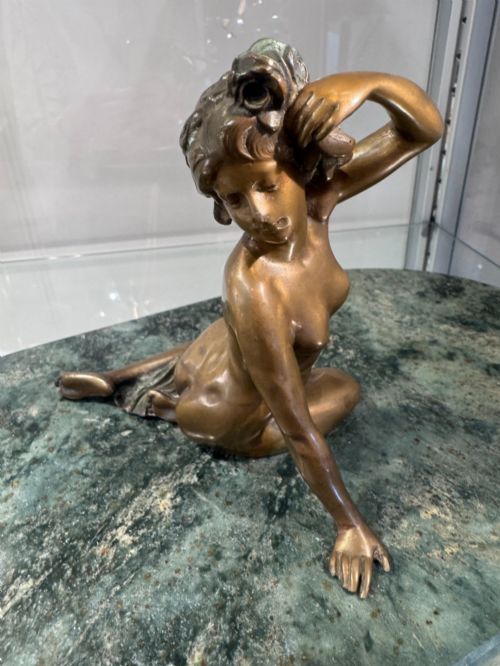
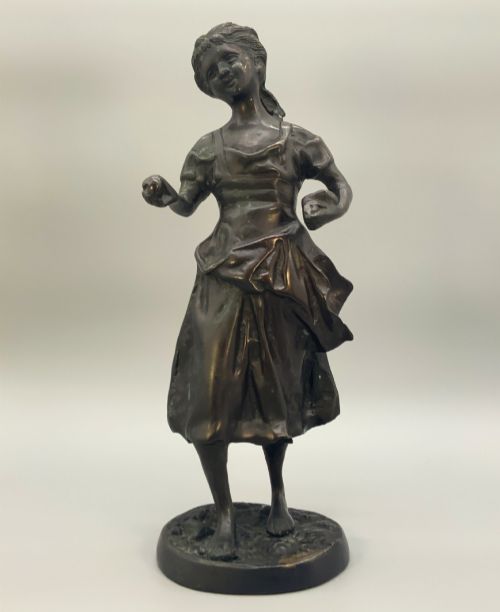
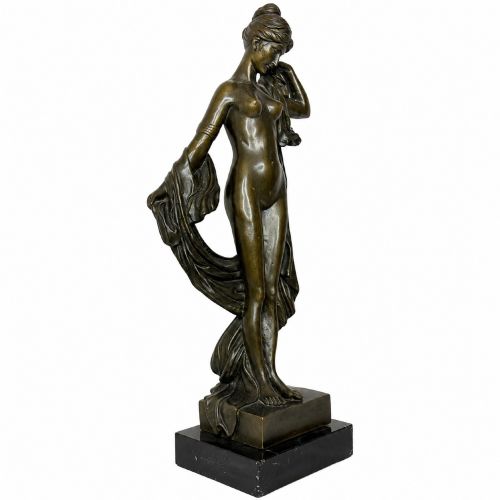
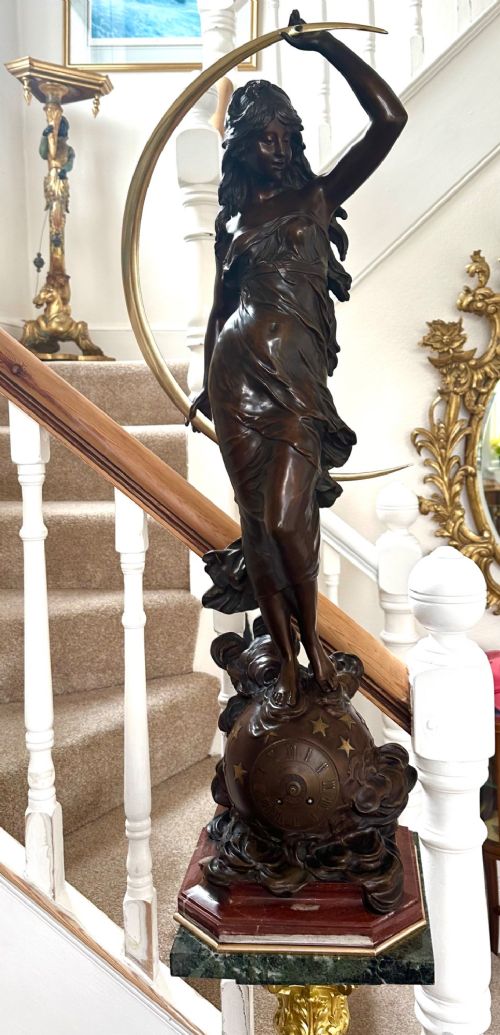
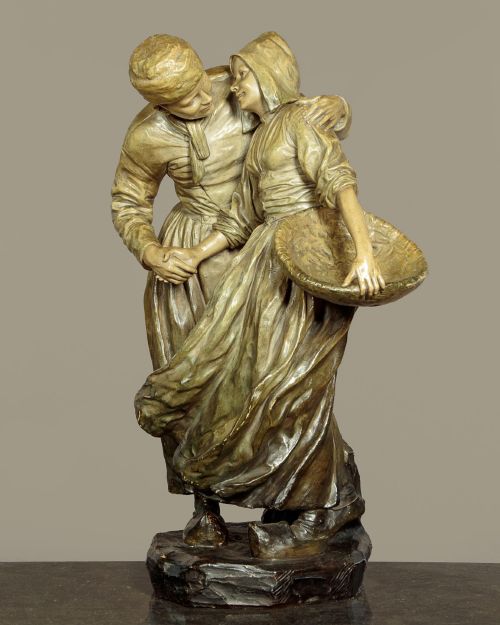
An art nouveau figure captures the flowing lines and organic motifs characteristic of turn of the century design.
Art Nouveau Figure
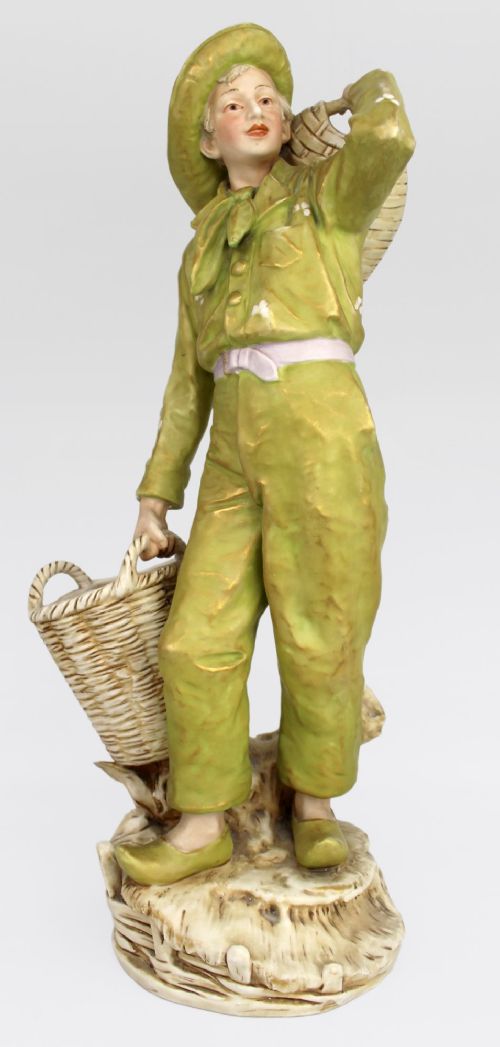
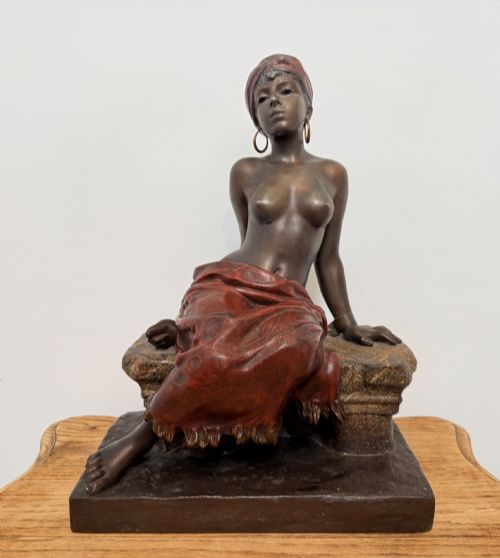
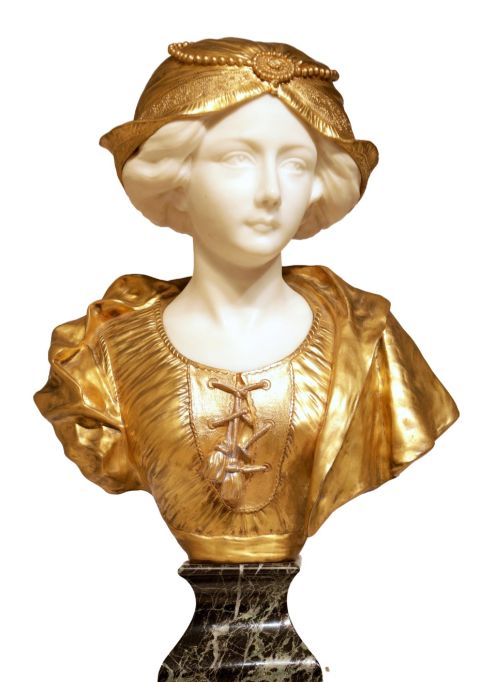
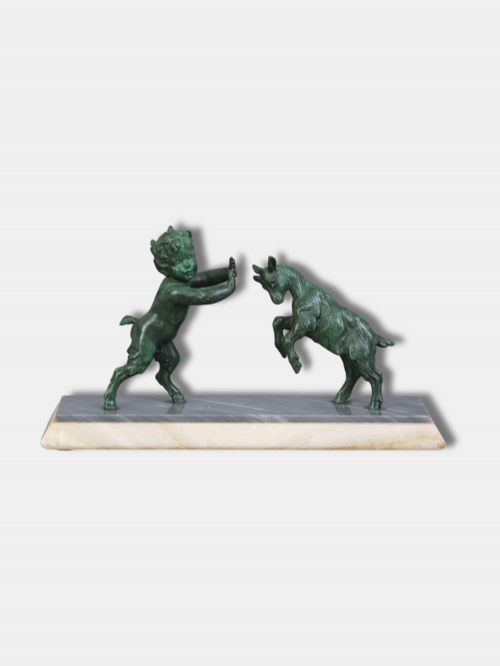
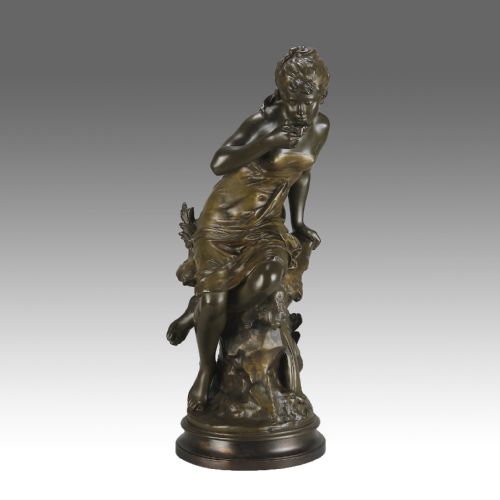
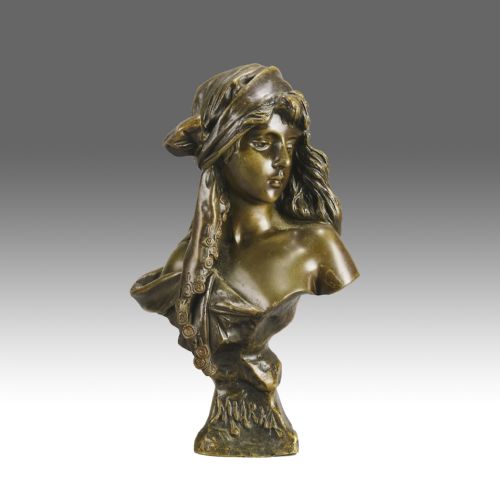
When searching for an art nouveau figure, buyers encounter sculptural works spanning the late nineteenth and early twentieth centuries, including the Victorian and Edwardian eras. These pieces typically take the form of freestanding sculptures, figurative table lamps, portrait busts, and decorative vessels.
French and Austrian foundries and potteries dominate the selection, bringing classical allegories, mythological subjects, and naturalistic female forms into domestic interiors. The most common manifestations on this page are patinated bronze, terracotta, and carved alabaster pieces depicting maidens, nymphs, and floral deities.
Materials and methods
Foundries utilised lost wax and sand casting techniques to produce bronze and gilt bronze sculptures, often finishing the metal with rich patination or combining it with carved marble bases. Terracotta and porcelain works, such as those from major Bohemian potteries, involved detailed moulding, slip casting, and hand painting.
Carved alabaster and marble required skilled stonemasonry to achieve the soft drapery and flowing hair typical of the period. Mixed media constructions frequently paired metals with stone or ceramics to accentuate the curvilinear aesthetic.
Materials in these listings span bronze, patinated bronze, marble, alabaster, terracotta, porcelain, and biscuit porcelain.
Assessing craftsmanship and execution
In ceramic and terracotta works, the depth of the glaze or paint application and the preservation of the original mould definition separate superior studio outputs from commercial iterations. Stone carvings achieve distinction through the translucency of the alabaster and the fluidity of the chisel work.
Goldscheider·Emmanuel Villanis·Auguste Moreau·Royal Dux·Mathurin Moreau
The Art Nouveau Figure Glossary
- Patination
- The chemical treatment applied to the surface of bronze to alter its colour and create depth. This process protects the metal while highlighting sculptural contours.
- Terracotta
- Fired clay used for sculptural modeling, often painted or glazed. It allowed artists to create warm, matte surfaces suited to figurative work.
- Spelter
- A zinc alloy commonly utilised as a less expensive alternative to bronze. It accepted metallic paint finishes to simulate heavier metals.
- Bisque porcelain
- Unglazed ceramic fired to a matte, porous finish that resembles marble. This material highlights delicate modeling in figures and portrait busts.
- Chryselephantine
- A sculpture combining bronze and ivory. The technique achieved contrasting textures for skin and drapery.
Art Nouveau Figure: Frequently Asked Questions
How are these sculptures cleaned?
Dust bronze and marble surfaces gently with a soft, dry cloth to prevent accumulation. Avoid chemical cleaners and commercial polishes, which can strip original patinas.
Alabaster requires particular care because moisture damages the soft stone. Keep pieces away from direct sunlight and humid environments.
Where were these figures displayed originally?
Turn of the century households placed these sculptures on mantelpieces, pedestals, and side tables as centrepieces of interior decoration. Figural lamp bases served a dual purpose of ambient lighting and sculptural art.
Larger terracotta and marble works stood in hallways or drawing rooms, often paired with architectural torcheres.
How do I distinguish bronze from spelter?
Bronze feels heavier and cooler to the touch than zinc alloy alternatives. Close inspection of the base often reveals the grain of the metal and the quality of the chased finish.
Spelter pieces may show chipping in the surface paint where the softer grey metal underneath has become exposed.
What subjects are most common?
Natural motifs dominate, featuring water carriers, nymphs, maidens, and allegories of spring, flowers, and youth. Classical mythology and the Greek legends provide narratives for many female figures and cupids.
Artists drew inspiration from the natural world, incorporating stems, blossoms, and flowing water into the poses and garments.