

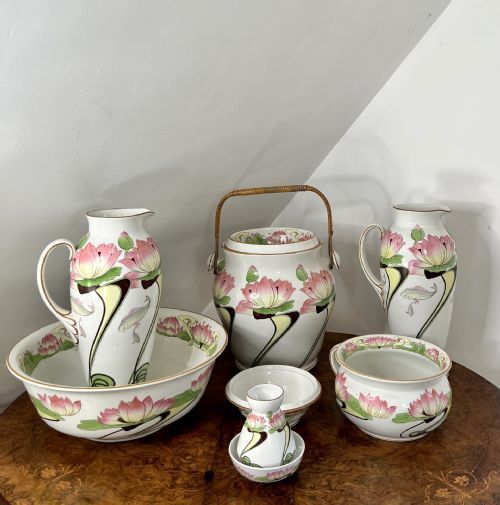
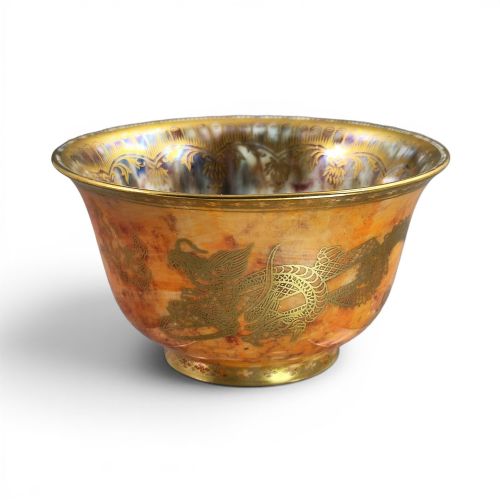


Art Nouveau Ceramic Bowl
An art nouveau ceramic bowl brings fluid botanical lines and iridescent finishes into a room, offering both decorative presence and the appeal of early twentieth-century design.
Art Nouveau Ceramic Bowl
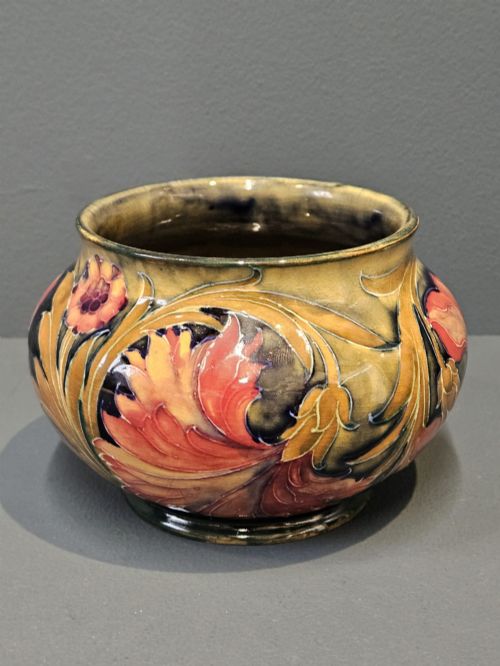
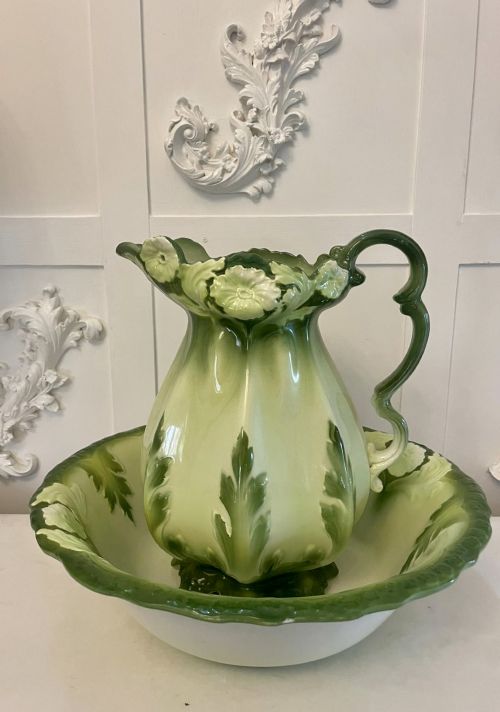
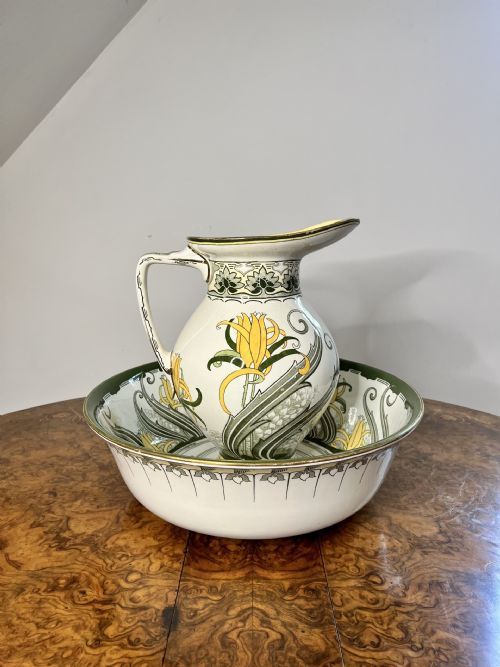
When you search for an art nouveau ceramic bowl, you encounter pieces that span the late nineteenth century through to the interwar decades, with a strong representation from the Edwardian period. The selections here include decorative bowls, centrepieces, and larger tableware sets originating from notable potteries and makers active around nineteen hundred.
The forms range from small miniature bowls and octagonal vessels to large cachepots and figural centrepieces shaped by natural motifs. Many examples integrate smoothly with adjacent Arts and Crafts and Art Deco aesthetics through their organic patterns and glaze choices.
How they were made
Potters utilised earthenware, bone china, porcelain, and stoneware as the structural bases for these vessels, shaping them by hand or mould before applying intricate surface designs. Glazing techniques defined the era, employing standard glazes alongside specialised lustre finishes and gold leaf accents to catch the light.
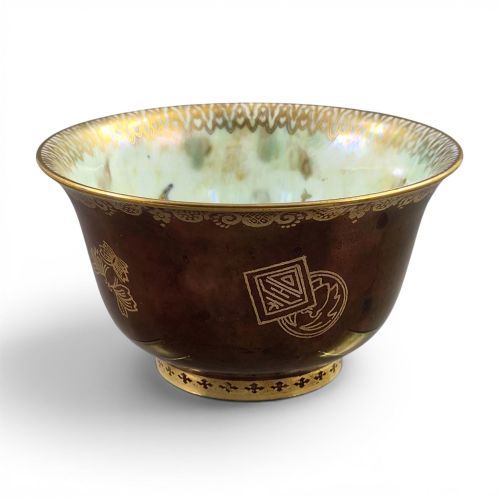
Makers achieved distinctive optical effects by firing metallic oxides into the glaze at high temperatures, creating the iridescent sheen characteristic of lustre wares. Stoneware bodies offered a heavier, more tactile surface suited to incised plant motifs, while porcelain and bone china allowed for delicate translucent walls.
Art Nouveau Ceramic Bowl Retail Price Guide 2026
Typical asking prices for art nouveau ceramic bowl among the pieces listed under this phrase on Sellingantiques today, from the lower quarter to the upper quarter. They describe what is for sale here now, not the wider market.
Period styles span from Victorian and Arts and Crafts through to Art Nouveau and Art Deco.
What varies in quality
The distinction between standard production items and exceptional works lies in the execution of the surface design and the complexity of the glaze chemistry. Hand-painted patterns and rich Fairyland or dragon lustre effects demonstrate superior skill compared to simpler mono-colour glazes.
The crispness of moulded figures and the depth of the iridescent sheen separate ordinary vessels from masterworks by leading designers. Form complexity also plays a part, with octagonal shapes and intricate figural mounts requiring higher technical proficiency from the pottery.
Daisy Makeig Jones·James Hodgkiss·Royal Dux·Moorcroft Macintyre And Co·Doulton Lambeth
The Art Nouveau Ceramic Bowl Glossary
- Lustre Glaze
- A type of ceramic glaze containing metallic salts that produce an iridescent, rainbow-like sheen upon firing. This technique was favored by Edwardian designers to create depth and shimmer.
- Centrepiece
- A large decorative vessel or figural sculpture designed to sit in the middle of a table. These pieces often feature organic shell or bather motifs.
- Earthenware
- Porous pottery fired at lower temperatures, commonly used for domestic jugs, wash sets, and decorative bowls. It requires a glazed surface to become completely watertight.
- Bone China
- A type of porcelain incorporating bone ash, known for its high strength, chip resistance, and milky white appearance. It allowed makers to produce thinner, more refined walls.
Art Nouveau Ceramic Bowl: Frequently Asked Questions
How do I date an art nouveau ceramic bowl?
Dating relies on maker marks, registration numbers, and pattern codes stamped or painted on the underside of the ceramic body. Stylistic markers such as flowing plant tendrils and specific lustre palettes also point toward the Edwardian and early twentieth-century eras.
Comparing the base markings against known factory production years helps narrow the creation window. Certain pattern numbers correlate directly to specific designers active around nineteen hundred.
Are these bowls safe to use for food?
Most antique bowls are intended for display or dry decorative use rather than daily dining. Historic glazes from the early twentieth century may not meet modern food safety standards.
Displaying them as centrepieces or fruit bowls preserves the delicate lustre surface and prevents wear to the glaze. Gentle dusting maintains the finish without risking chemical breakdown.
How should I clean my lustre bowl?
Cleaning requires only a dry microfibre cloth to remove surface dust without abrasive contact. Water and chemical cleaners can damage delicate gold leaf and metallic lustre layers.
Keeping the bowl away from direct sunlight prevents the iridescent pigments from fading over time. Careful placement ensures the glaze retains its original shimmer.