





Art Deco Table Mirror
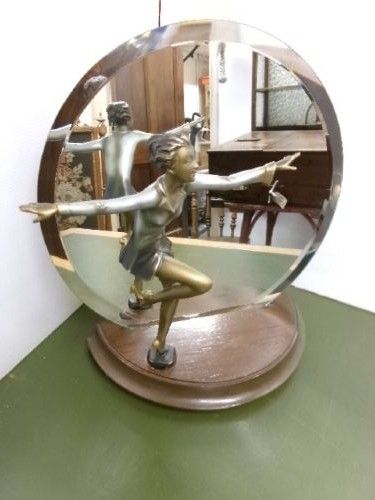
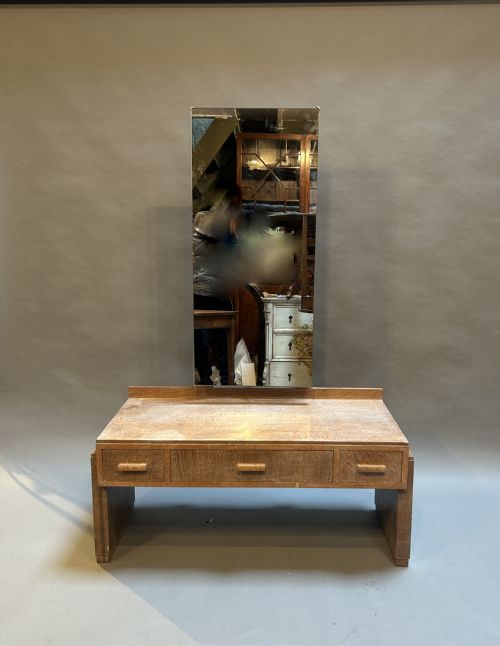
When you search for an art deco table mirror, you seek compact geometric elegance designed to sit upon a dressing chest or vanity surface.
Art Deco Table Mirror
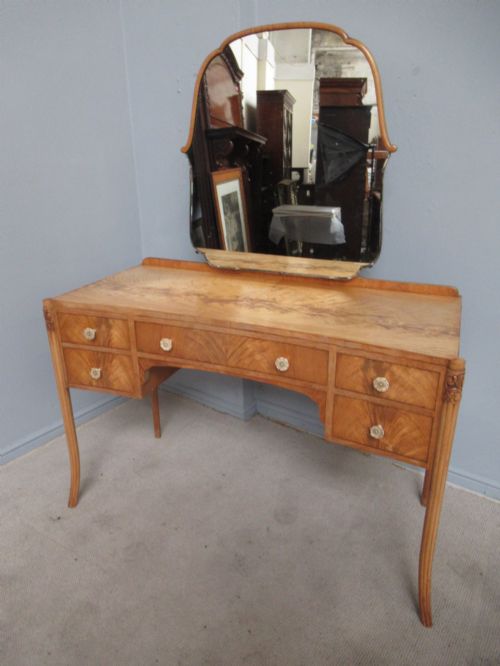
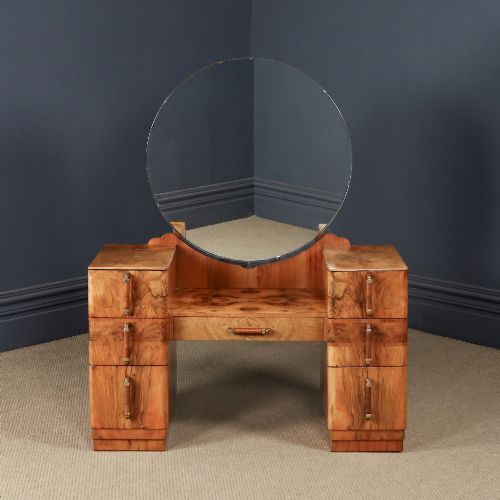
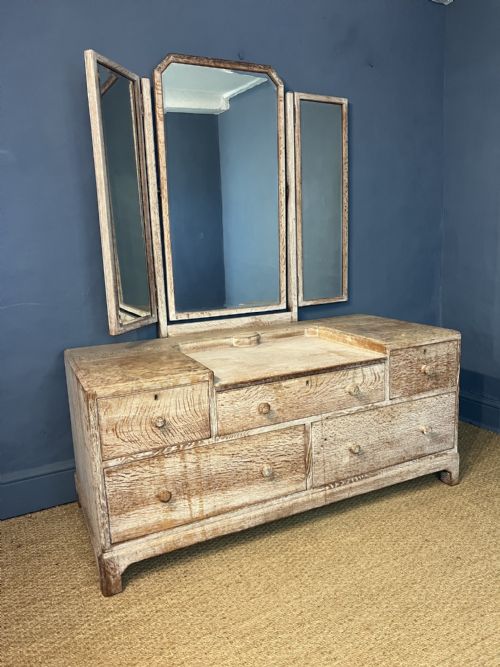
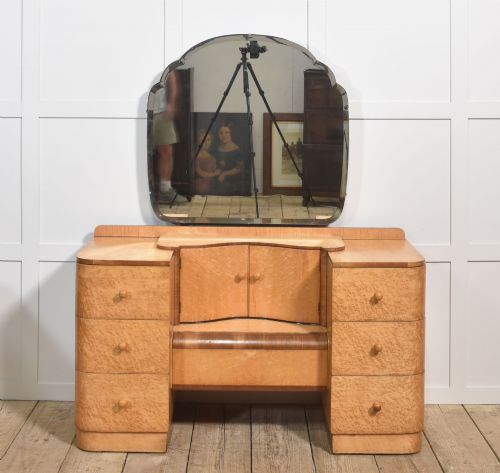
An art deco table mirror sits primarily on dressing chests and vanity tables, functioning as both a practical looking glass and a decorative centrepiece for the bedroom. The search phrase covers standalone table mirrors, triptych designs with folding side panels, and mirrors integrated into larger dressing table units.
The periods represented stretch across the early decades of the twentieth century, with the 1930s yielding the most numerous examples alongside pieces from the 1920s and Edwardian era. Continental origins appear alongside English craftsmanship, showing diverse regional interpretations of the modernist aesthetic.
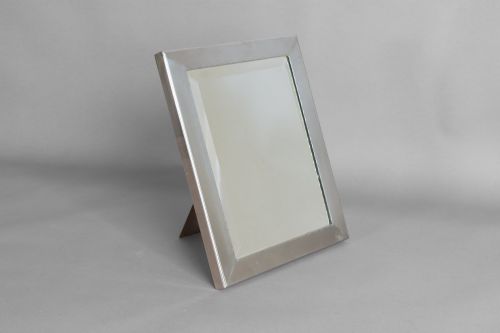
Forms vary from simple circular plates on wooden or metal stands to elaborate architectural folding frames. Many examples incorporate coloured glass panels or contrasting veneers that define the geometric vocabulary of the period.
Materials and construction methods
Makers utilised timber frames constructed from walnut, burr walnut, oak, and maple, often applying figured veneers to create striking symmetrical grain patterns across the backing or base. Metal elements frequently employ chrome, brass, and silver plating to deliver clean reflective surfaces and structural supports.
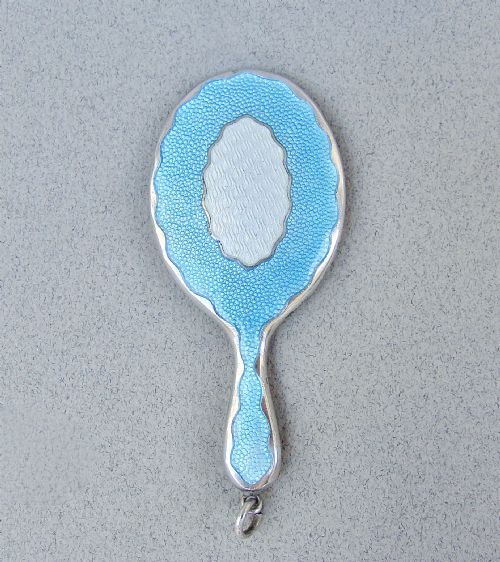
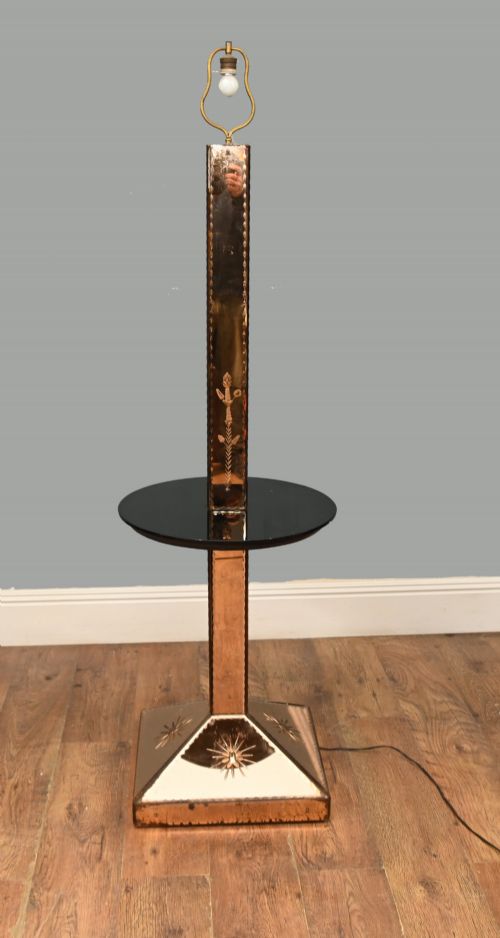
Glass technology of the era introduced standard mirror glass alongside distinctive peach and green tinted varieties, sometimes accompanied by etched decoration or guilloche enamel detailing. Joinery methods combined traditional cabinet making with modern industrial metalworking techniques to achieve the characteristic streamlined profiles.
Some dressing tables hide clever mechanical mirrors that rise with an 8-day clock movement, combining grooming with precise timekeeping.
Evaluating craftsmanship and design
Quality rests upon the selection of timber veneers, where highly figured burr walnut or carefully matched grain patterns elevate a piece above standard production models. The depth and clarity of the silvering on the mirror plate, together with the weight and finish of chrome or brass mounts, indicate the original standard of manufacture.
Construction integrity distinguishes superior examples, notably in the smooth operation of adjustable triptych hinges and the stability of the supporting plinth. Pieces bearing attribution to recognised workshops or distinct modernist styling display a superior level of proportion and finish.
Harry and Lou Epstein·Maurice Adams·Henry Williamson
The Art Deco Table Mirror Glossary
- Triptych
- A three-panelled mirror featuring a central looking glass flanked by two smaller hinged wings that angle inward. This arrangement allows the user to view side profiles during grooming.
- Guilloche
- An intricate decorative engine-turned pattern of intersecting curved lines engraved into metal or enamel. It frequently decorates the backs of smaller dressing table and hand mirrors.
- Burr Walnut
- A distinctive wood veneer harvested from the growth excrescences on walnut trees. It yields complex, swirling grain patterns highly prized in modernist cabinet making.
- Peach Mirror
- Tinted glass manufactured with a warm pinkish-orange hue popular in the interwar period. It imparts a softer reflection and introduces subtle colour to decorative surfaces.
Art Deco Table Mirror: Frequently Asked Questions
How do I date an art deco table mirror?
Dating relies upon stylistic markers such as geometric shapes, stepped cornices, and specific material combinations like chrome paired with tinted glass. Examining the backing boards, screw types, and construction methods helps place the piece within the 1920s or 1930s.
Maker marks, registration numbers, or silver hallmarks stamped onto metal frames provide precise chronological reference points. Comparing the veneer types and hardware to documented pieces from the era confirms the manufacturing period.
Are triptych mirrors original to the period?
Three-panel folding mirrors were widely produced during the interwar decades as essential components of bedroom dressing suites. Many survived alongside their matching dressing chests or vanity tables.
Original examples display period-appropriate hinge mechanisms, bevelled edges, and matching backboards. Replacements are sometimes encountered where damaged glass plates required modern restoration.
How should I clean a vintage mirror plate?
Maintenance requires gentle cleaning methods to preserve fragile silvering and delicate frame materials. Use a soft, lint-free cloth with a mild, ammonia-free solution applied to the cloth rather than directly onto the glass.
Avoid letting moisture seep behind the mirror plate or into the wooden and metal joints. Regular dusting prevents particle buildup on etched or enamelled surfaces.
What is peach glass and is it rare?
Peach glass is a tinted mirror material produced during the early twentieth century by introducing specific metallic compounds into the glass manufacturing process. It creates a warm, atmospheric reflection characteristic of sophisticated interior schemes.
While featured on numerous clocks and tables from the period, surviving pieces retain strong collector interest due to their distinct aesthetic impact. The tinting technique defines the palette of many luxury items from the era.