

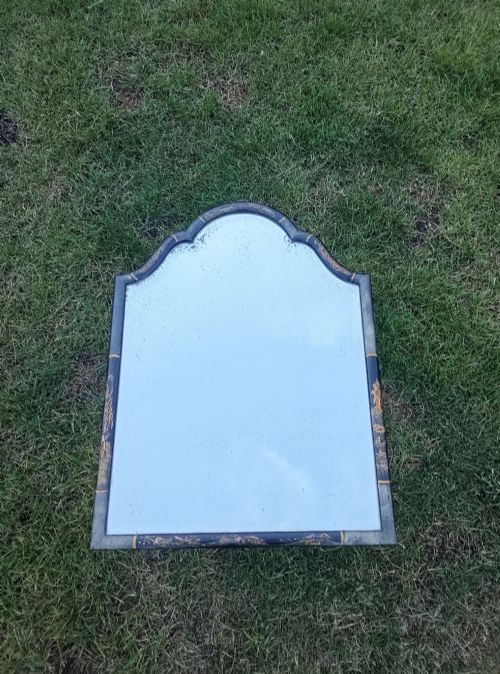
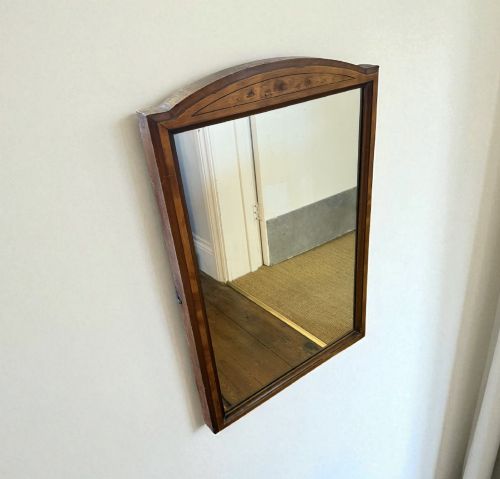



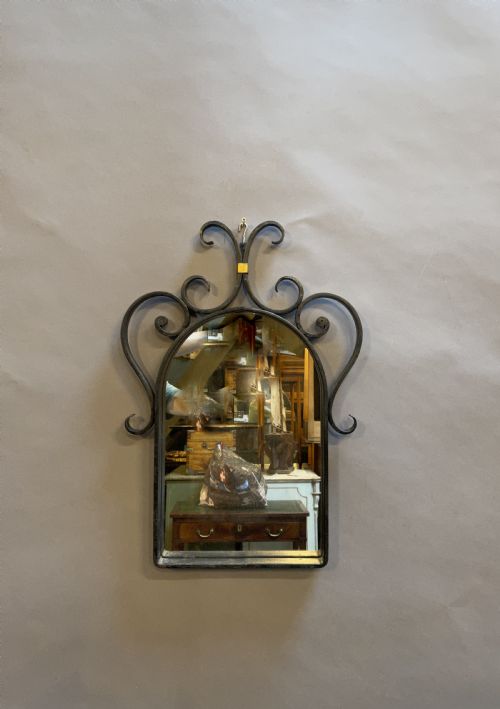

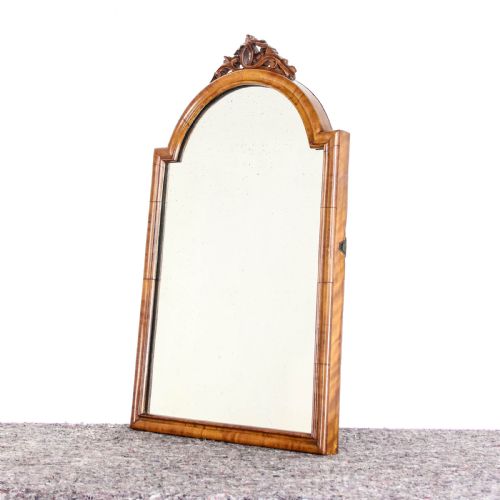
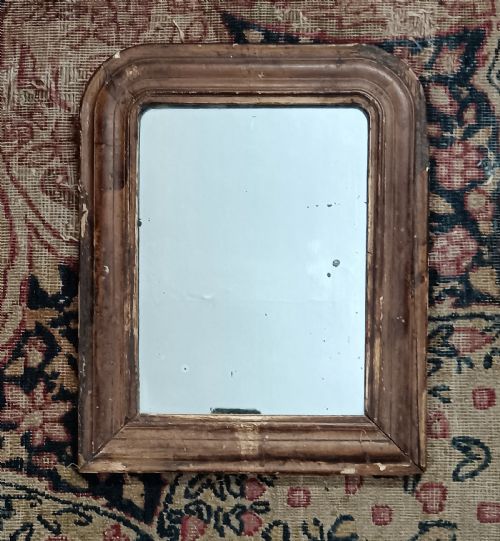

Arched Vanity Mirror
An arched vanity mirror brings elegance to a dressing surface, offering a graceful top curve that softens any interior.
Arched Vanity Mirror
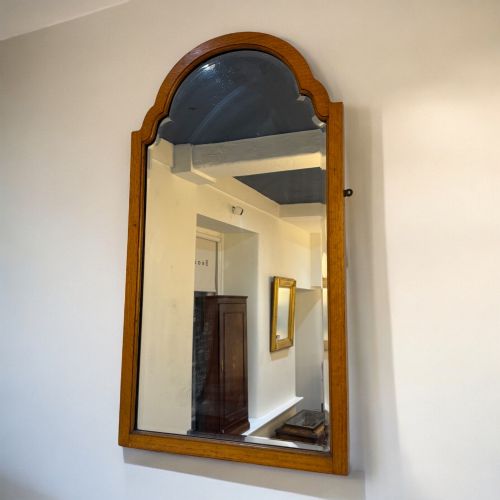
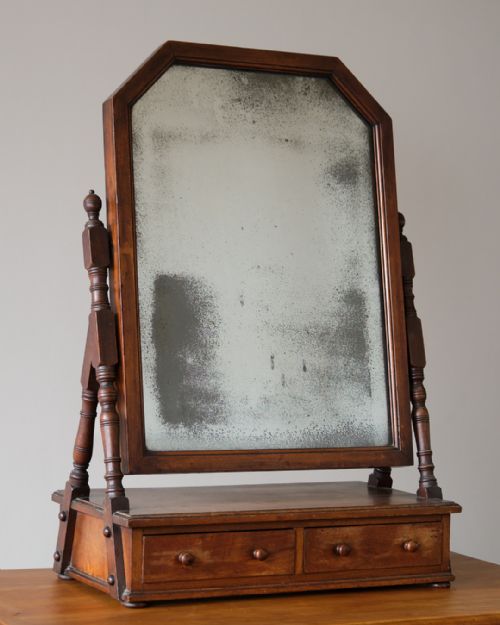
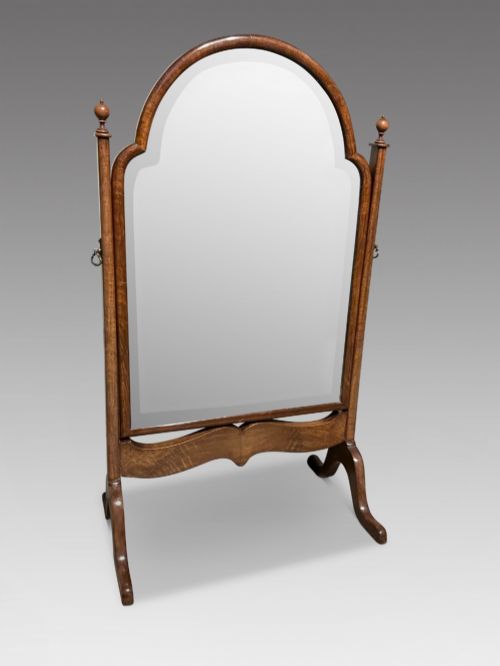
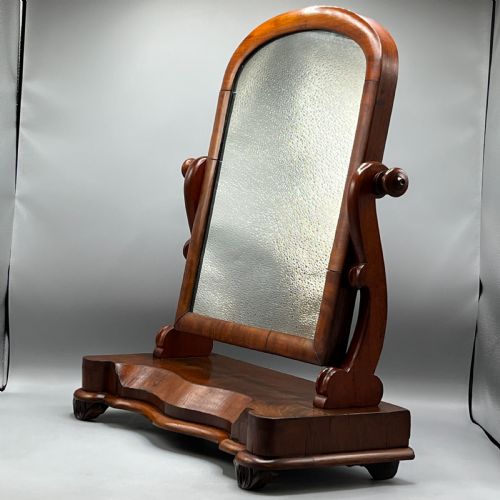
An arched vanity mirror provides a functional reflective surface designed for dressing tables and chest tops, shaped with a characteristic curved top. When exploring an arched vanity mirror, buyers encounter a variety of forms including swing mirrors, table mirrors, and triptychs.
The pieces appearing here span the nineteenth century, the Edwardian era, and the nineteen-twenties and thirties. Domestic examples sit alongside French provincial and Art Deco interpretations, reflecting diverse regional tastes.
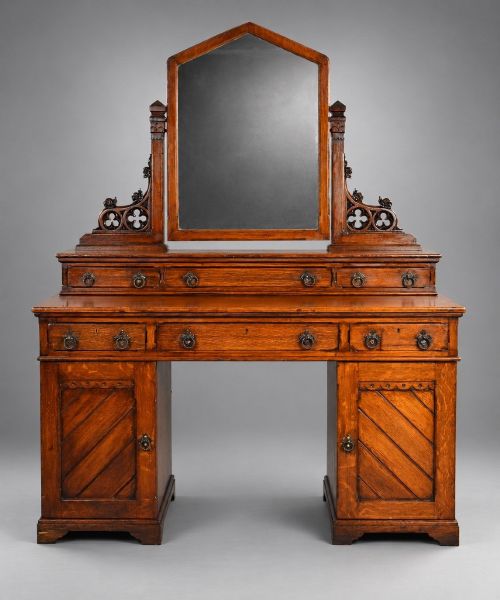
Many items function as standalone table mirrors or incorporate small drawers and bureau fitments beneath the glass. Larger dressing table mirrors often feature sturdy wooden frames designed to tilt on pivots.
Materials and construction
Timbers dominate the construction of these frames, with mahogany and walnut appearing frequently alongside painted finishes and brass. Cabinetmakers utilised figured veneers and solid woods to build durable structures that house the glass securely.
Reflective surfaces include standard mirror glass and silver plate, sometimes set within heavy metal or wrought iron mounts. Joinery techniques from the nineteenth and early twentieth centuries ensure stability for pivoting swing mirrors and folding triptychs.
Arched Vanity Mirror Retail Price Guide 2026
Typical asking prices for arched vanity mirror among the pieces listed under this phrase on Sellingantiques today, from the lower quarter to the upper quarter. They describe what is for sale here now, not the wider market.
Listings feature mahogany, walnut, brass, and silver plate across Victorian, Edwardian, and Art Deco periods.
Evaluating the craftsmanship
Quality rests in the selection of timber and the precision of the joinery, particularly around the curved arch. Figured walnut and flame mahogany exhibit striking grain patterns that elevate simpler domestic designs.
The clarity of the glass and the weight of the supporting brass or wooden framework distinguish finer examples from standard production pieces. Original pivot mechanisms and intact fitments demonstrate superior original manufacture.
Heal & Sons
The Arched Vanity Mirror Glossary
- Swing mirror
- A reflective plate mounted on pivots within a frame, allowing the glass to tilt at various angles. This mechanism is typical of dressing table mirrors from the nineteenth century.
- Triptych
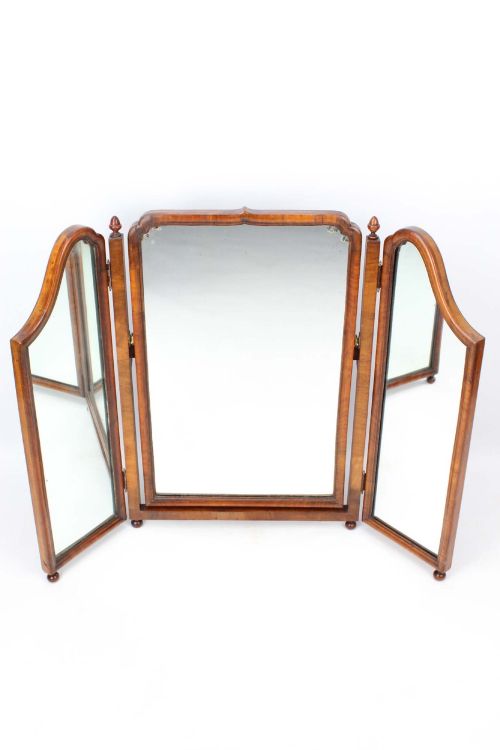
- A three-panel mirror where the outer wings fold over the central arched section. This configuration appears in Edwardian silver plate and later vanity pieces.
- Bureau fitment
- A small desk or compartment section incorporated into the base of a table mirror. It provides compact storage beneath the glass.
- Flame mahogany
- A distinctive timber veneer cut from timber forks where branches meet the main trunk, showing swirling flame-like patterns. Cabinetmakers utilised this for decorative Victorian mirror frames.
- Louis Philippe
- A mid-nineteenth-century French style characterised by understated curves and restrained classical proportions. Mirrors from this tradition often feature gentle arched tops.
Arched Vanity Mirror: Frequently Asked Questions
What is an arched vanity mirror?
An arched vanity mirror is a tabletop or dressing mirror featuring a rounded upper frame. These pieces sit on dressing tables, chests, or desks to assist with grooming.
They appear in various styles from the nineteenth and twentieth centuries, ranging from simple mahogany swing frames to elaborate French Art Deco designs.
How do I choose the right size?
Consider the proportions of the surface where the mirror will rest and the surrounding furniture. Table mirrors with bureau fitments require deeper space than simple swing mirrors.
Matching the period and timber of the mirror to existing furniture helps maintain visual balance in a room.
Were these mirrors used for travel?
Certain specialised forms, such as travelling toilet swing mirrors, were designed for portability during the nineteenth century. Most domestic vanity mirrors remained stationary on bedroom dressing tables.
Fold-out brass and triptych designs offered compact storage options for dressing areas.
How do I identify a Victorian mirror?
Victorian examples often utilise solid mahogany or walnut, sometimes featuring flame veneers and heavy scrollwork. The construction typically relies on traditional joinery and brass pivot hardware.
Stylistic cues draw from Victorian Gothic Revival or standard domestic furniture trends of the nineteenth century.