



Silvered Tabletop Mirror
These silvered tabletop mirror pieces offer portable reflection and dressing table elegance, spanning Victorian opulence to clean Art Deco lines.
Silvered Tabletop Mirror
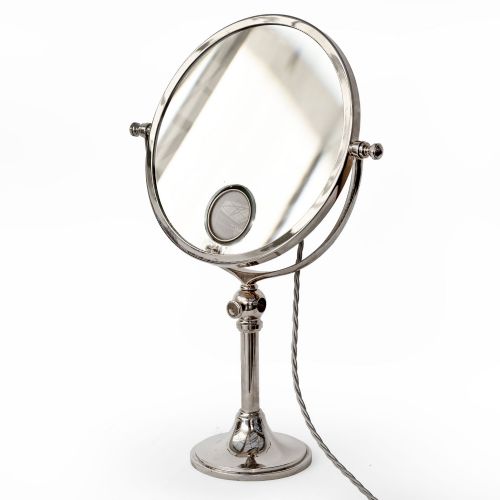
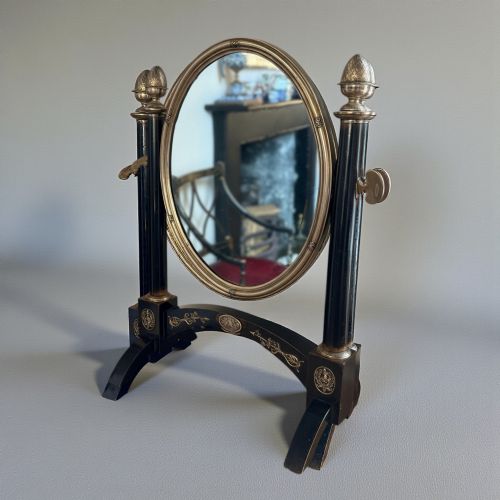
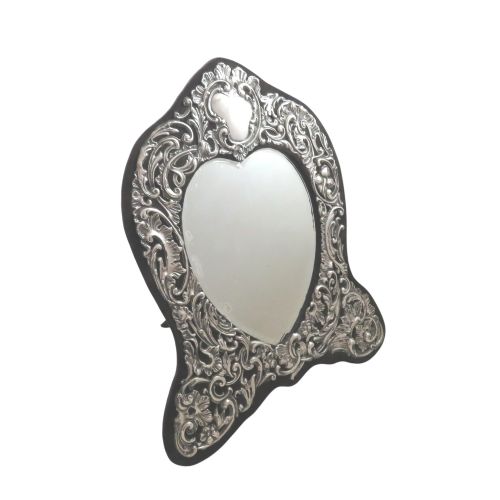
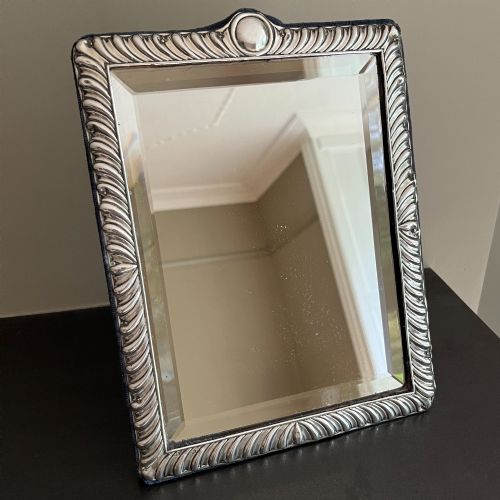
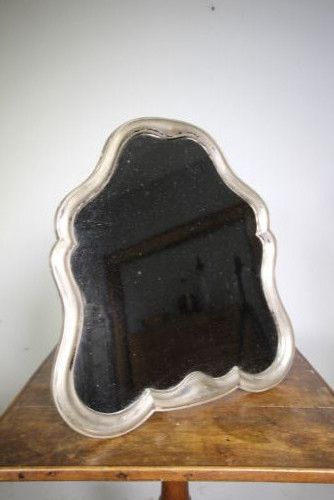
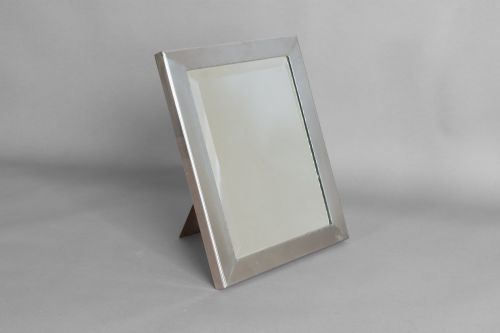
A silvered tabletop mirror serves as a decorative accessory for the dressing table or vanity, offering a functional looking glass supported by a sturdy easel back or frame. When searching for a silvered tabletop mirror, buyers encounter a variety of forms including triptychs, heart shapes, and simple strut designs intended for daily grooming or display.
The pieces on this page originate from diverse eras, moving from the ornate revival styles of the nineteenth century through the flowing botanical lines of Art Nouveau up to the geometric shapes of the 1930s. Makers produced these mirrors in standard tabletop sizes as well as larger proportions, occasionally incorporating folding panels or jeweller's plateau designs for enhanced utility.
Materials and construction methods
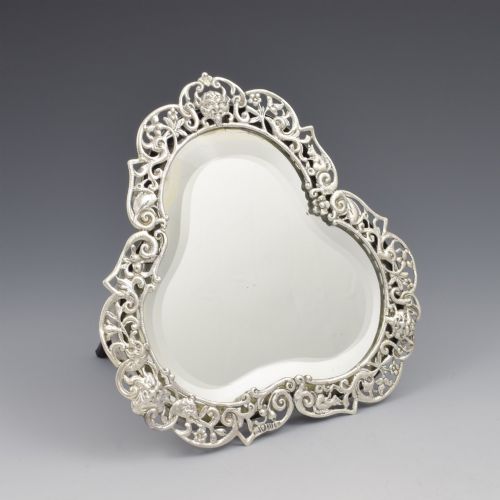
Makers fashioned the frames of these mirrors using sterling silver, silver plate, silvered copper, and chrome, frequently mounting them onto sturdy wood or velvet covered backings. Metal components often received decorative treatment through piercing, embossing, or silver gilt finishes.
Makers integrated mirror glass into the metal or wooden framework, securing the reflective surface with easel struts for tabletop stability or hinged side panels in the case of triptych formats.
Silvered Tabletop Mirror Retail Price Guide 2026
Typical asking prices for silvered tabletop mirror among the pieces listed under this phrase on Sellingantiques today, from the lower quarter to the upper quarter. They describe what is for sale here now, not the wider market.
Some dressing table mirrors feature whimsical animal and bird motifs alongside stylized honesty seed pods to charm the morning viewer.
Distinctions in quality and execution
Quality reveals itself in the weight and thickness of the sterling silver or metal framework, alongside the crispness of chased or pierced decorative motifs such as animals and birds. Finer examples display meticulous hand craftsmanship in details like stylized seed pods or figural mounts.
The condition of the original mirror glass and the stability of the easel mechanism or wooden backing also separate standard production items from superior workshop creations.
WMF·Jean Gille·William Comyns·Henry Matthews
The Silvered Tabletop Mirror Glossary
- Easel mirror
- A mirror supported by a hinged rear strut that allows it to stand upright on a flat surface. This mechanism is common on dressing table and vanity pieces.
- Silver gilt
- Silver that has been coated with a thin layer of gold on its surface. This technique adds warmth and protects the underlying metal.
- Triptych
- A mirror composed of three panels, with two hinged side wings that fold over the central glass. This style allows the user to adjust the viewing angles.
- Silver deposit
- A decorative technique where pure silver is chemically bonded to a ceramic or glass surface in specific patterns. This process creates striking contrast against coloured backgrounds.
Silvered Tabletop Mirror: Frequently Asked Questions
How do I clean a silver frame?
Use a soft microfiber cloth with a dedicated silver polish, taking care to avoid abrasive materials that might scratch the surrounding glass or velvet backing.
Apply the polish sparingly around embossed details and rinse gently if the manufacturer guidelines permit, though dry polishing usually suffices for antique mounts.
Are these mirrors stable on desks?
Most pieces rely on a folding easel strut or a weighted plateau base designed specifically to keep the glass upright during daily use.
Ensure the hinge on the back support is secure before placing the mirror on polished wood or delicate tabletop surfaces.
How do I date an antique mirror?
Examine the metal frame for hallmarks indicating assay offices, date letters, and maker marks which provide precise manufacturing years.
Stylistic indicators such as flowing plant tendrils point to Art Nouveau, while geometric frames usually signal Art Deco production.
Can damaged mirror glass be replaced?
A specialist glazier can cut new mirror glass to fit older frames, though preserving the original silvered glass maintains historical authenticity.
Original glass often exhibits minor foxing or age spots which collectors generally prefer to retain as evidence of age.