



Art Deco Silver Pot
An art deco silver pot brings geometric precision and polished metal to dressing tables and tea services alike.
Art Deco Silver Pot
An art deco silver pot spans diverse domestic objects, ranging from heavy tea and coffee services to small dressing table jars, vanity boxes, inkwells, and condiment sets. The search phrase unites vessels designed with the clean lines, stepped motifs, and stylized symmetry characteristic of the interwar decades.
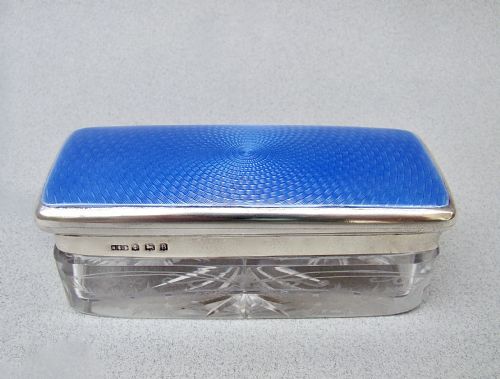
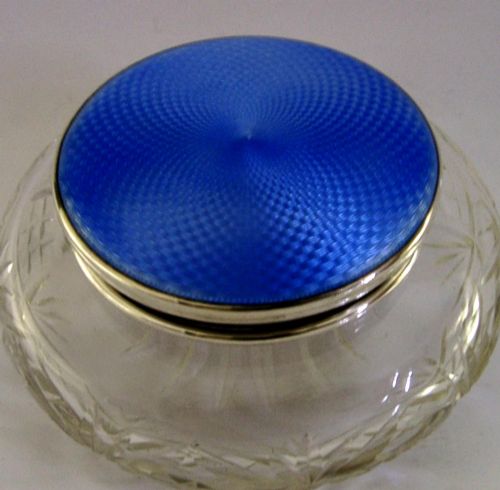
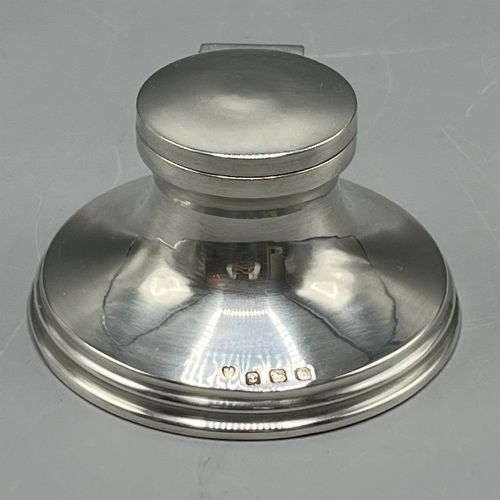
Dressers and writing desks yield vanity jars, rouge pots, and inkwells featuring glass or crystal bodies fitted with sterling silver lids. These lidded containers frequently incorporate coloured enamel or tortoiseshell panels, reflecting the decorative tastes of the nineteen-twenties and nineteen-thirties.
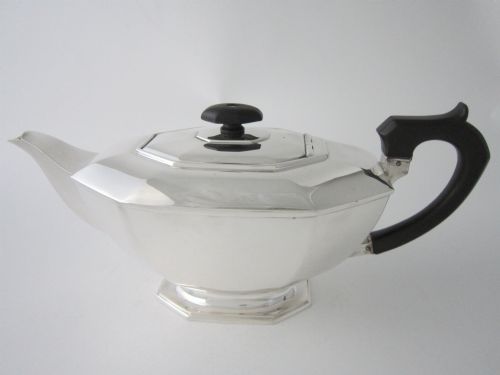
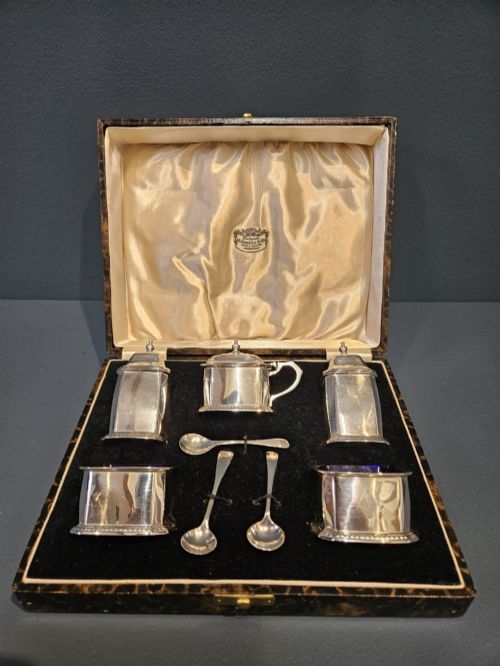
Tableware versions encompass teapots, coffee pots, chocolate pots, and mustard or pepper pots manufactured in solid silver or silver plate. These serving vessels demonstrate the functional yet decorative approach applied to dining accessories during the period.
Materials and Construction
Makers utilised sterling silver and silver plate for mounts, lids, and freestanding bodies, often combining metal with heavy cut glass or moulded crystal bases. Glass components feature deep cutting or geometric etching to catch the light beneath metal collars.
Enamel work, particularly translucent guilloche enamel in blue, pink, and white, adds colour to silver lids through engine-turned metallic backgrounds. Tortoiseshell and faux tortoiseshell panels also appear inlaid into silver mounts on vanity boxes and dressing table jars.
Materials recur across multiple forms, combining sterling silver or silver plate with cut glass, crystal, velvet, and multi-coloured enamel.
Assessing Craftsmanship
Quality rests upon the crispness of the geometric chasing, the weight of the silver or silver plate, and the precision with which lids fit glass or crystal bodies. Superior examples display substantial gauge metal and tight, secure hinges or threaded collars.
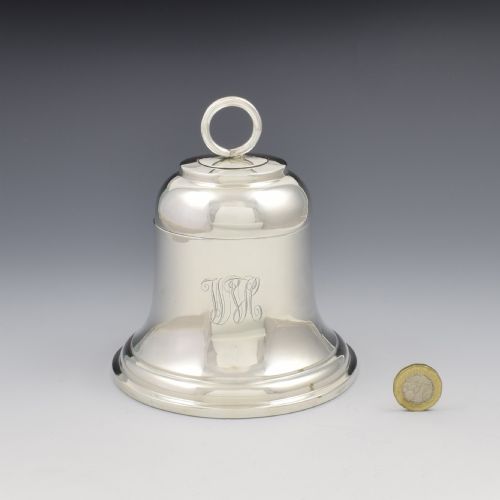
The complexity of decorative treatments further distinguishes individual pieces, such as multi-coloured guilloche enamel work, complex engraved motifs, or unusual figural forms like pagodas and bell inkwells. Maker attribution to notable silversmiths also elevates the standing of a vessel.
Henry Clifford Davis·William Neale·Mappin and Webb·Elkington and Company·The Adie Brothers·Harry Atkin
The Art Deco Silver Pot Glossary
- Guilloche enamel
- A decorative technique where enamel is applied over an engine-turned metal background. This method creates repeating geometric patterns that show through translucent colour.
- Cruet set
- A matched group of small pots and cruets designed for holding condiments at the dining table. These typically include mustard pots, salt cellars, and pepper shakers.
- Vanity jar
- A lidded container used on a dressing table for cosmetics, creams, or small trinkets. They usually combine a glass base with a hallmarked silver mount.
- Pot pourri
- A decorative vessel pierced with holes in the lid to diffuse scent from dried flower petals. These items often take unusual sculptural forms.
- Hallmark
- Official stampings on precious metals indicating the assay office, maker, and year of manufacture. British pieces carry town marks and date letters.
Art Deco Silver Pot: Frequently Asked Questions
What were art deco silver pots used for?
These vessels served various domestic functions, from holding tea and coffee at the dining table to storing cosmetics, pins, and ink on writing desks. Smaller pots were dedicated to condiments, mustard, and pepper during meals.
Their dual role as practical items and decorative objects meant they occupied prominent places in interwar homes, combining utility with modern design.
How can I date an art deco silver pot?
Dating relies primarily on the stamped hallmarks found on the silver components, which indicate the exact assay office and year of manufacture. Stylistic clues such as stepped geometric shapes and machine-turned enamel patterns also point to the interwar period.
The majority of pieces originate from the nineteen-twenties and nineteen-thirties, aligning with the height of the movement.
How do I care for silver and enamel pots?
Silver components require periodic gentle polishing with a non-abrasive cloth to maintain their lustre without wearing away fine engravings or hallmarks. Enamel surfaces should be kept away from harsh chemicals and extreme heat to prevent cracking or discolouration.
Glass bodies can be washed separately in warm soapy water, ensuring moisture does not become trapped beneath sealed silver mounts.