
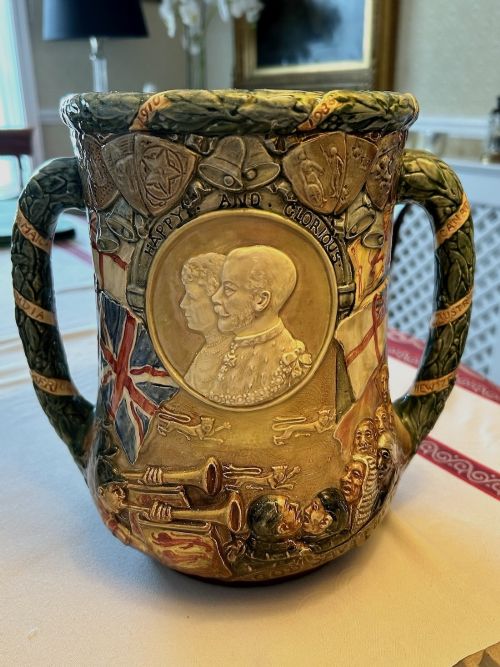
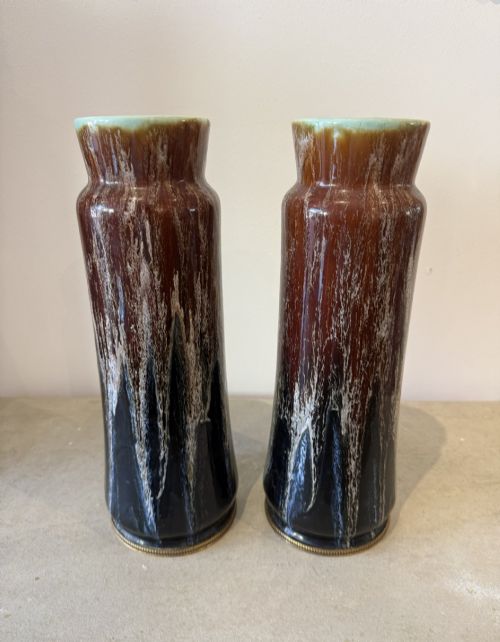
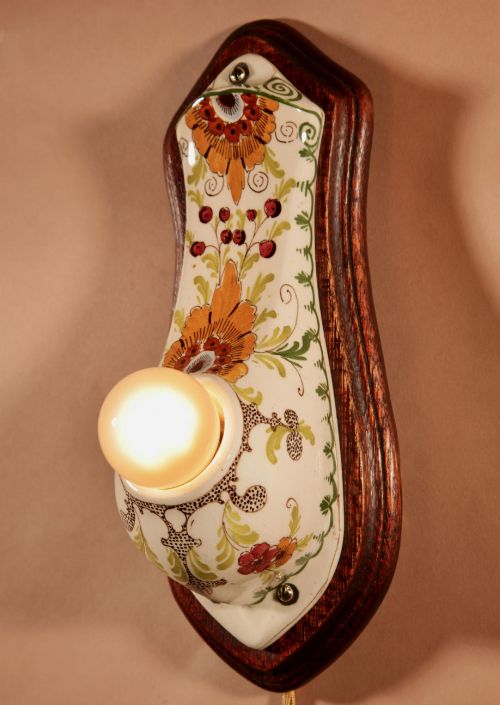
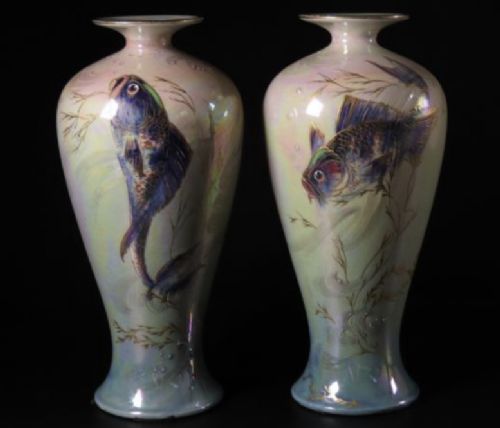
Art Deco Pottery
Art deco pottery brings geometric vigour and vibrant enamels into interiors, offering collectors striking centrepieces rooted in the interwar period.
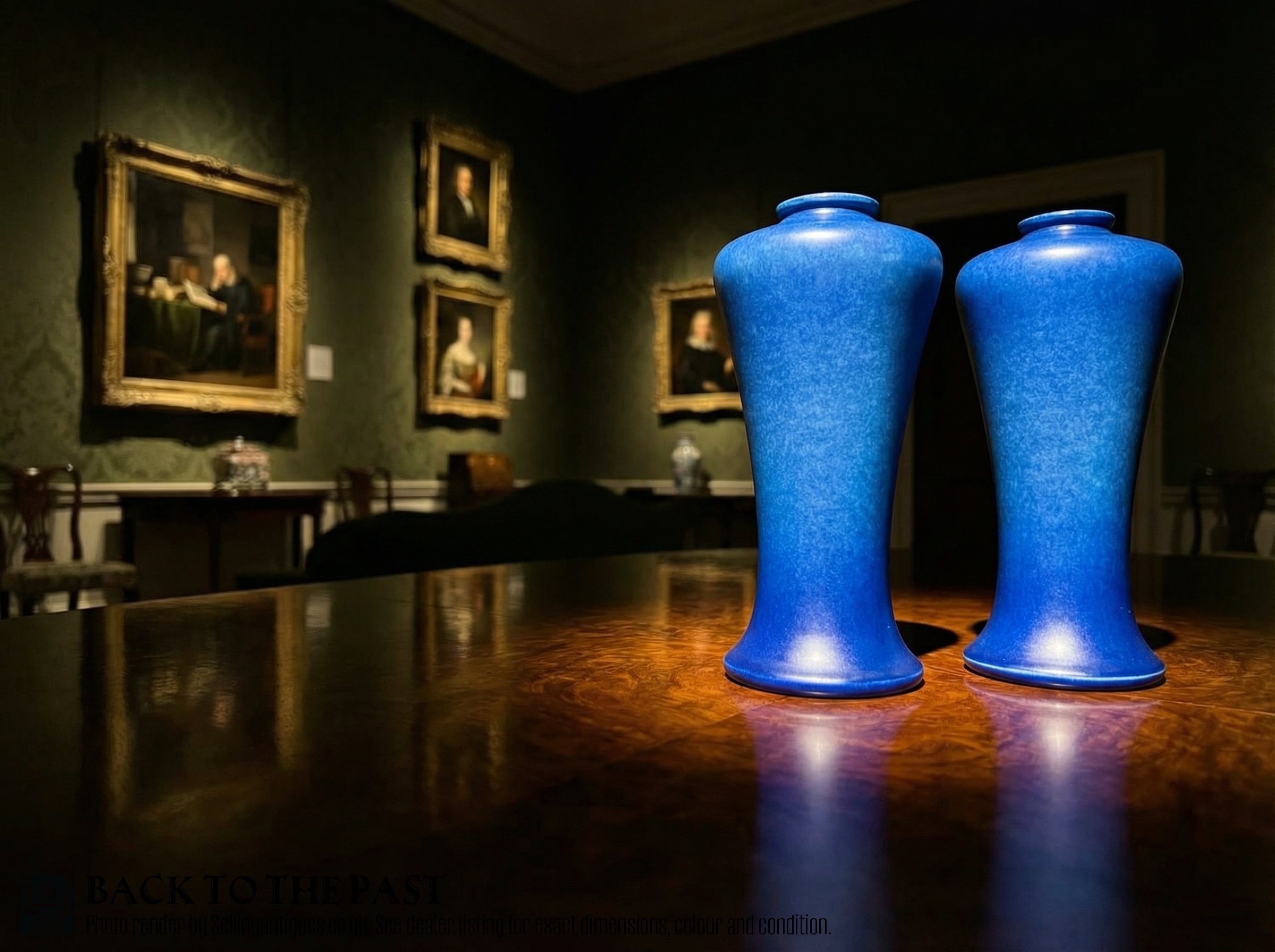
Art Deco Pottery
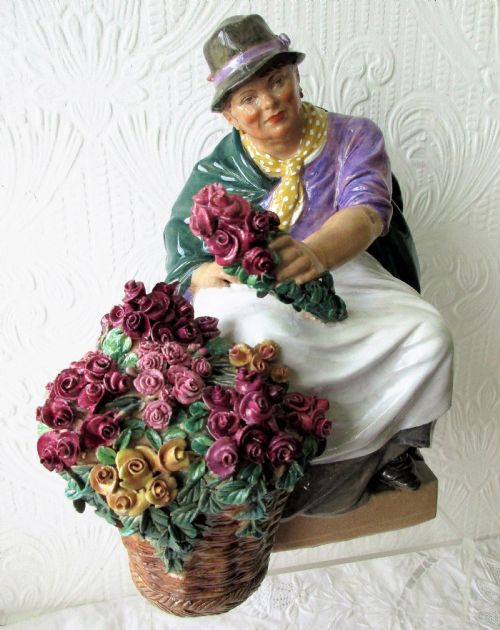
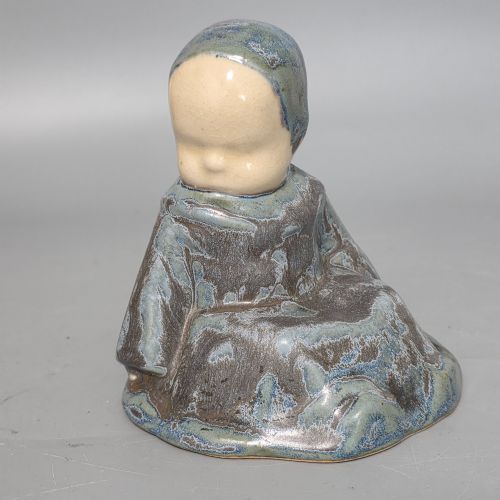
Art deco pottery encompasses diverse ceramic forms created predominantly during the 1920s and 1930s, ranging from domestic tea sets to sculptural figurines and large decorative chargers. Buyers seeking this aesthetic will encounter geometric motifs, stylised floral patterns, and vibrant colour palettes applied across earthenware, porcelain, and stoneware bodies.
Vases, bowls, and wall masks form the backbone of these listings, often showing influences from contemporary French design and traditional British potteries. Pieces span from utilitarian kitchenware with bright hand-painted patterns to elaborate lustre-glazed display items designed purely for visual impact.
Origins stretch across English potteries, French studios, and continental manufactories, each bringing distinct regional styles to the decorative arts of the period. Collectors frequently find works bearing the distinct signatures of prominent ceramicists alongside robust unmarked earthenware from the same era.
Materials and technique
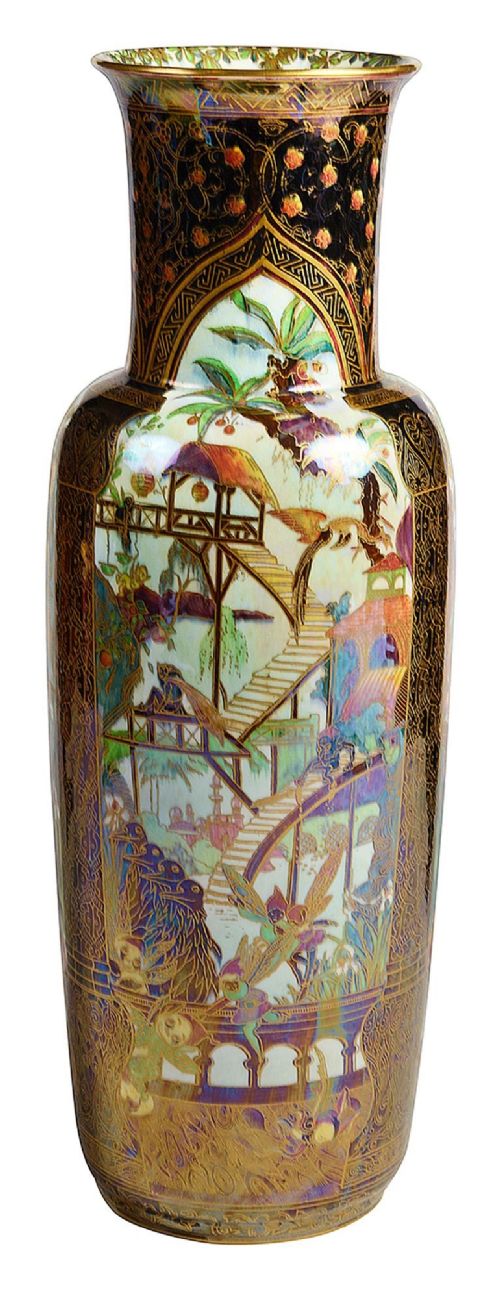
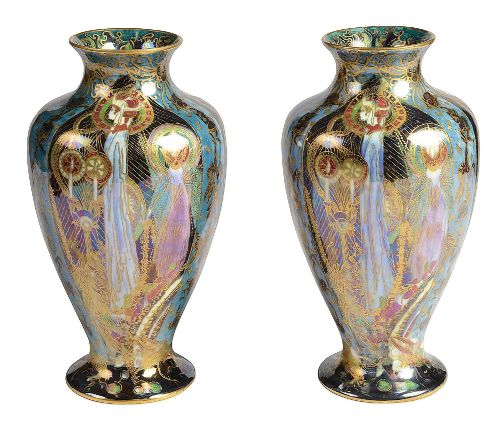
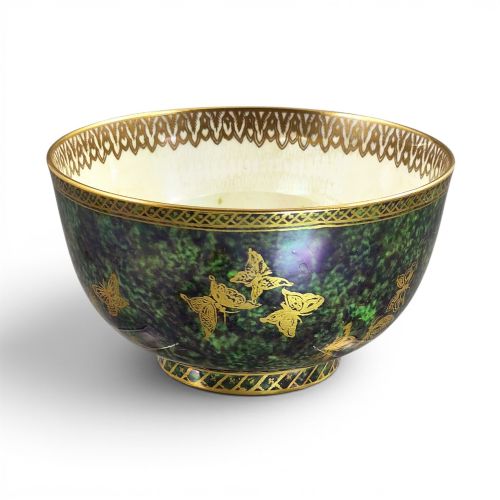
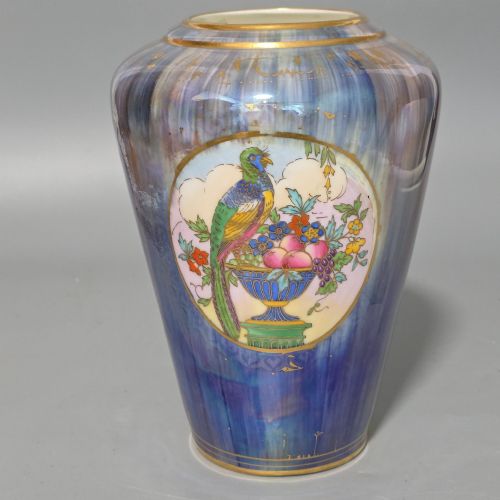
Potters of this era relied on earthenware and porcelain bodies shaped through casting or throwing, providing a smooth canvas for experimental glazes and hand-painted enamels. Crystalline and lustre glazes required precise kiln temperature control to achieve iridescent finishes and shimmering metallic sheens.
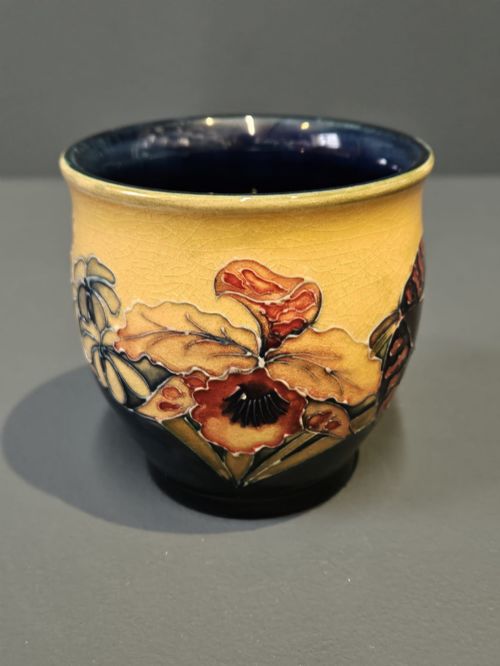
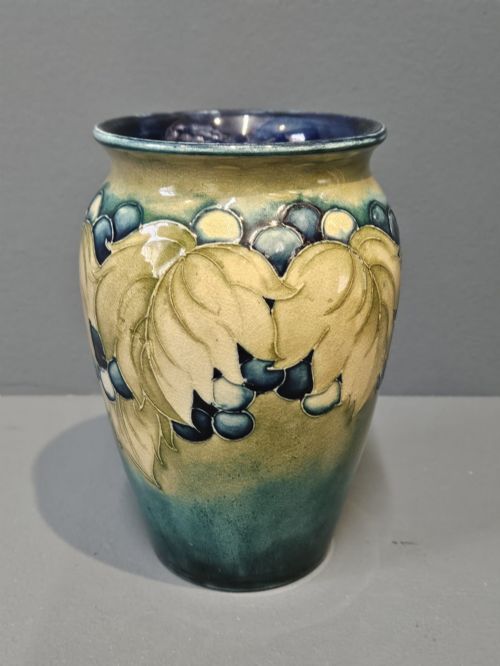
Tubelining served as a defining decorative technique, using a fine clay trail to outline bold motifs before filling the compartmentalised spaces with bright colours. Gilding and gold leaf highlights frequently completed the surface treatment on luxury wares and commemorative items.
Listings feature earthenware and porcelain forms decorated with vibrant enamel paints, lustre finishes, and complex tubelined motifs spanning the 1900s to the 1930s.
Separating top from bottom
Quality rests upon the precision of the hand-painting and the complexity of the glaze chemistry, distinguishing mass-produced commercial lines from artist-signed studio pieces. Superior examples display crisp execution in tubelined borders and rich depth within lustre or crystalline surfaces without muddy colour blending.
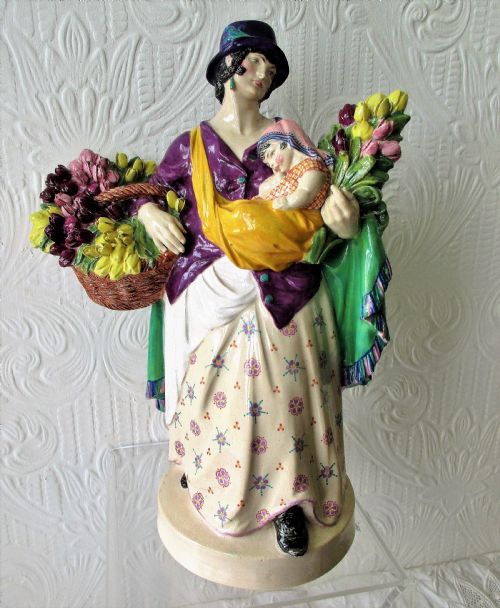
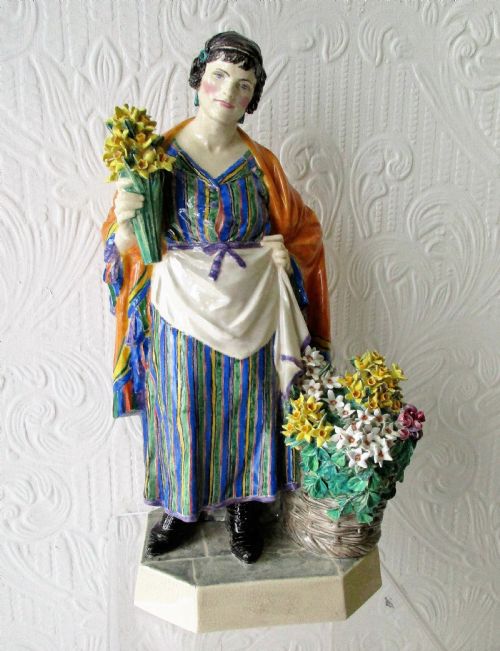
The artistic ambition of the form itself determines upper tiers, where sculptural figures and architectural vases demonstrate advanced moulding and firing capabilities. Maker attribution and documented provenance elevate a piece significantly above standard decorative output from lesser-known regional potteries.
Daisy Makeig-jones·Moorcroft·Royal Doulton·Boch Freres·Charles Vyse·Minton·Robert T Lallement·Carlton Ware·Clarice Cliff·Maling·Charlotte Rhead·Wemyss·Compton Potters Art Guild·Royal Lancastrian·Rudolph Podany·Pierrefonds·Longwy·Ruskin Pottery·Greys Pottery·Swinnertons Pottery
The Art Deco Pottery Glossary
- Lustre
- A metallic glaze technique producing an iridescent, reflective surface sheen when fired in a reduced oxygen environment. This finish was favoured by major potteries for decorative vases and bowls.
- Tubelining
- A decorative method where liquid clay is squeezed through a nozzle onto a ceramic body to form raised outlines. These boundaries contain the enamel colours applied during subsequent painting stages.
- Faience
- Tin-glazed earthenware traditionally associated with French and continental decorative wares. The opaque white glaze provides a smooth background for hand-painted patterns.
- Garniture
- A matching set of three or more decorative vases or vessels designed to be displayed together on a mantelpiece or sideboard. These sets frequently feature graduating sizes.
- Crystalline glaze
- A specialised ceramic finish where zinc silicate crystals grow within the molten glass during cooling. Each fired vessel produces completely unique snowflake-like patterns.
- Veilleuse
- A ceramic night light or food warmer comprising a small lamp base beneath a pierced cover. They often date from the early twentieth century in continental Europe.
Art Deco Pottery: Frequently Asked Questions
How do I identify genuine pieces?
Examine the underside for factory backstamps, hand-painted pattern numbers, and artist signatures appropriate for the interwar period. Genuine items typically display period-specific glazing techniques and hand-finished details rather than modern transfer prints.
Weight, clay composition, and crazing within the glaze offer further clues to authenticity. Comparing marks against standard ceramic reference guides helps confirm the manufacturing era.
Were these items used daily?
Many tea sets, bowls, and jugs served practical functions in households before transitioning into decorative display objects. Everyday domestic items often show minor wear consistent with careful handling.
Display pieces such as large chargers and sculptural figurines were created strictly for interior adornment. Their survival in pristine condition reflects their intended role as ornamental works.
How should I clean glazed ceramics?
Dust surfaces gently with a soft, dry cloth to prevent abrasive particles from scratching delicate enamel work. Avoid soaking antique earthenware in water, as moisture can penetrate porous bodies through existing hairline cracks.
Harsh chemical cleaning agents and dishwashers must be strictly avoided to protect original metallic lustres and hand-painted pigments. Professional conservation advice should be sought for valuable or fragile items.
What defines the French studio style?
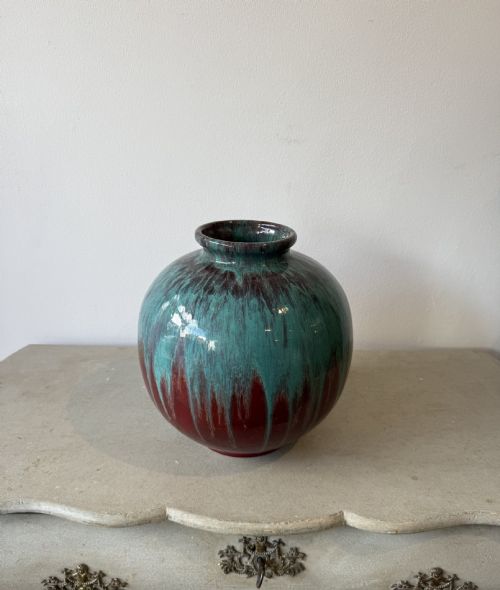
French pottery from this era often emphasises sculptural forms, heavy stoneware bodies, and experimental drip glazes over intricate painted patterns. Makers focused on bold silhouettes that complemented contemporary interior architecture.
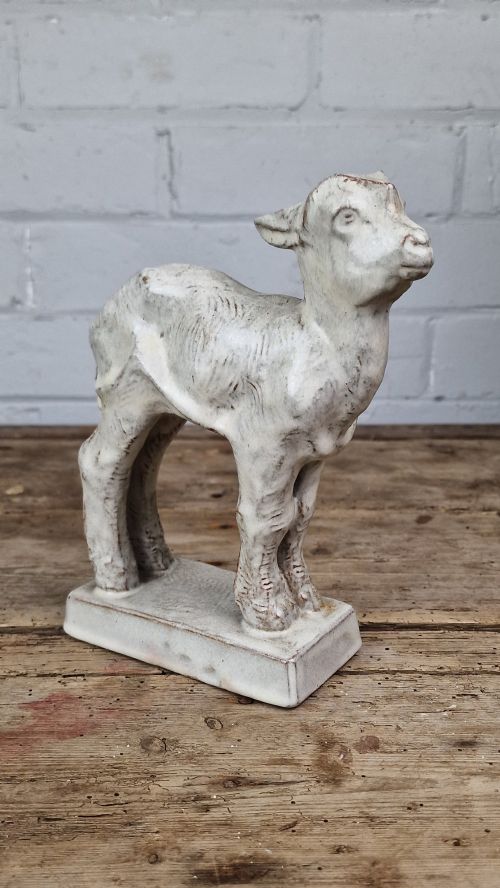
Animal figures and architectural bookends frequently characteristed continental production. These works tend to rely on the natural textures of fired clay and matte glazes.