


Art Deco Glass Tables
Art deco glass tables bring together striking geometric forms and reflective surfaces from the early twentieth century.
Art Deco Glass Tables
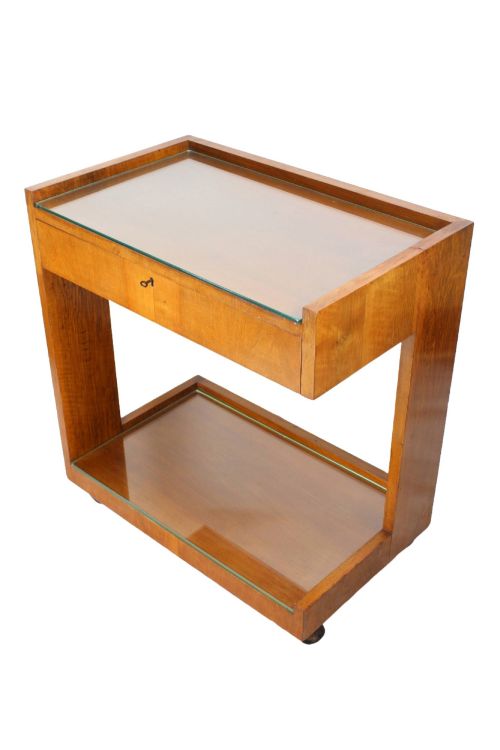
When searching for art deco glass tables, buyers encounter practical items created during the 1920s, 1930s, and 1940s. These pieces integrate transparent or mirrored surfaces within functional furniture frameworks.
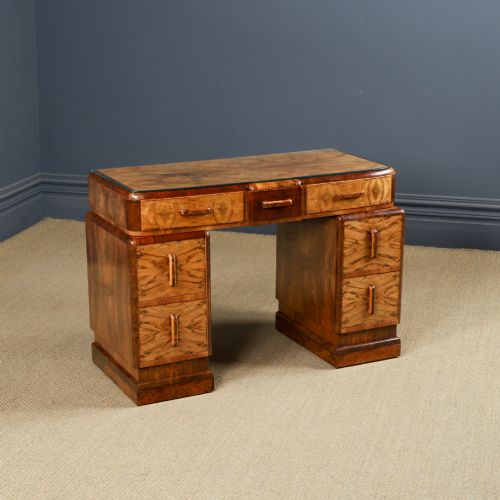
The selections span from mirrored trays to side tables and larger desks combining glass with timber or metal. These designs embody the streamlined aesthetic popular during the interwar decades.
Originating predominantly from European workshops, these items reflect the broader design movements of art deco alongside occasional influences of arts and crafts styles.
How they were made
Makers utilised a combination of plate glass, mirrored panels, and solid woods such as walnut or maple. Metal elements including brass, chrome, and wrought iron provided structural support and decorative contrast.
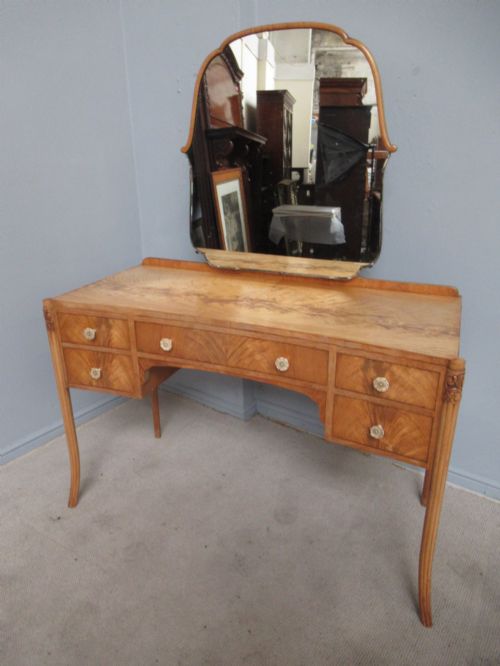
Surface treatments involved bevelling glass edges, applying wood veneers, and incorporating enamelled or patinated metalwork. These manufacturing methods ensured both durability and a polished finish.
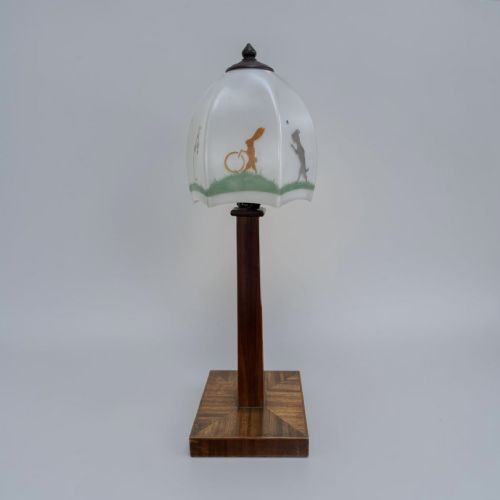
Some table designs incorporate playful novelty animal figures, bringing a touch of 1930s whimsy straight to the tabletop.
What varies in quality
Quality depends on the precision of the glass cutting, the grade of the timber veneers, and the sturdiness of the metal framework. Superior examples demonstrate seamless joins and balanced proportions between glass and supporting materials.
The integrity of the reflective silvering on mirrored glass and the thickness of the structural components distinguish finer pieces from standard production items.
R Lalique·Henry Clifford Davis·Smiths Clockmakers·Karl Palda·Henry Perkins
The Art Deco Glass Tables Glossary
- Art Deco
- A design style characterised by sleek lines, geometric shapes, and modern materials popular in the 1920s and 1930s.
- Veneer
- A thin layer of choice wood glued to a base panel to provide a decorative surface.
- Bevelling
- An angled edge cut around the perimeter of a piece of glass to catch the light.
- Chrome
- A metallic plating applied to steel or brass to provide a bright, corrosion-resistant finish.
- Opalescent
- Glass that exhibits a milky, milky-blue or pearlescent appearance when light passes through it.
Art Deco Glass Tables: Frequently Asked Questions
How do I clean antique glass tables?
Use a mild, non-ammonia glass cleaner applied to a soft cloth rather than directly onto the surface. Avoid harsh chemicals that might damage surrounding wood veneers or metal mounts.
Dry the glass thoroughly with a lint-free cloth to prevent streaking and protect any exposed metal edges from moisture retention.
Are these tables sturdy enough for daily use?
Most pieces were constructed for domestic interiors and handle normal everyday placement of lamps or decorative items without issue. Careful placement away from heavy impacts protects the glass components.
Checking the stability of the joints and frame ensures the table supports weight safely during regular use.
How do I identify a 1930s glass table?
Look for characteristic geometric motifs, clean silhouettes, and the pairing of glass with chrome, brass, or walnut. These material combinations typify furniture production of that decade.
Construction methods, such as the use of plate glass and specific veneer types, align with manufacturing practices of the interwar period.
Can I place these tables on heated floors?
Direct, intense heat from underfloor heating systems can occasionally affect older wooden frames and veneers. Using protective felt pads or placing the table on a rug mitigates potential thermal stress.
Maintaining stable room temperatures helps preserve both the wooden elements and the settings of the glass.