


Mirrored Pedestal Table
These mirrored pedestal table pieces reflect light and combine functional glass with timber stands across Victorian and Art Deco designs.
Mirrored Pedestal Table
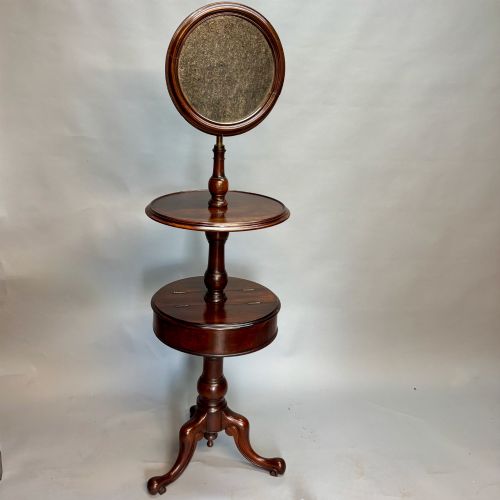
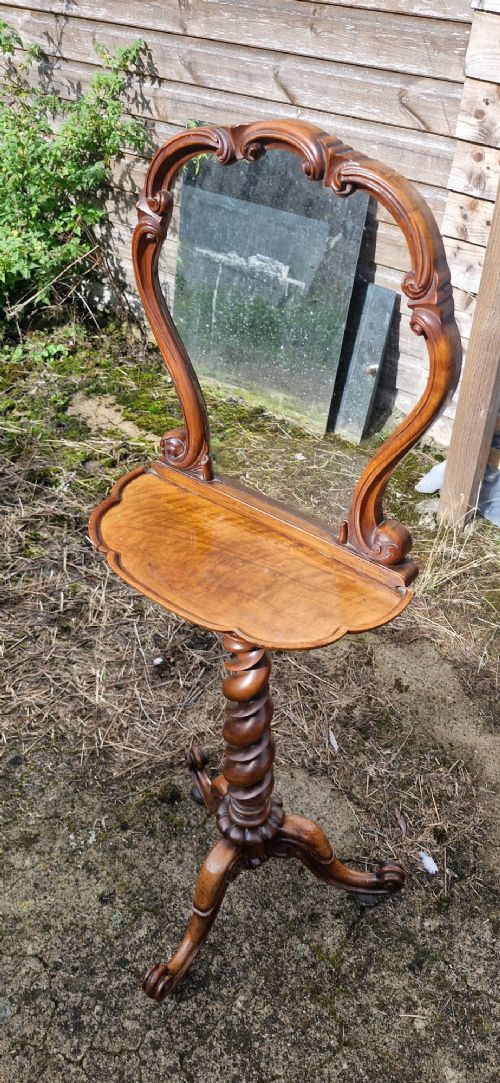
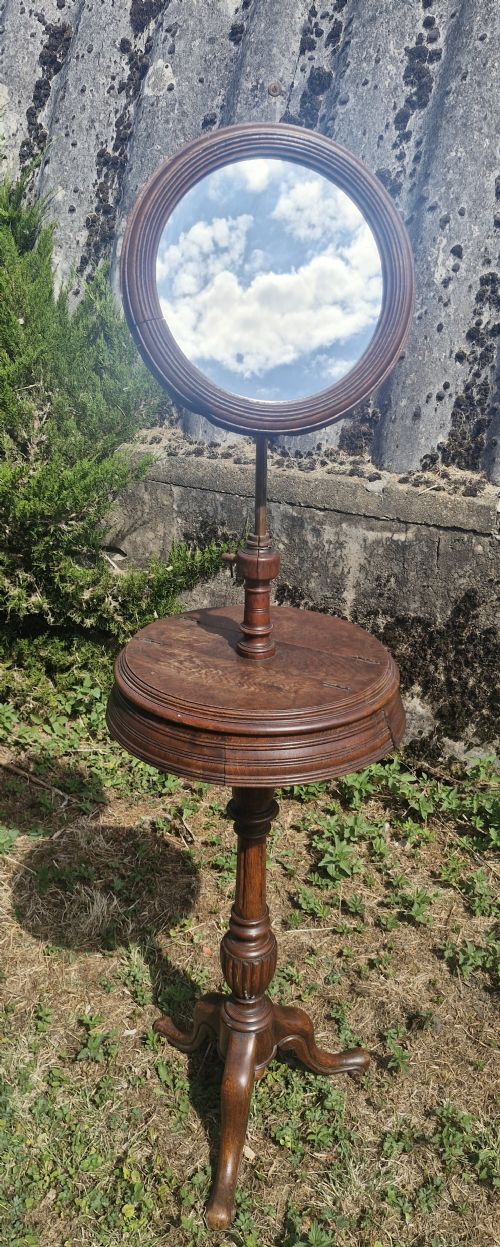
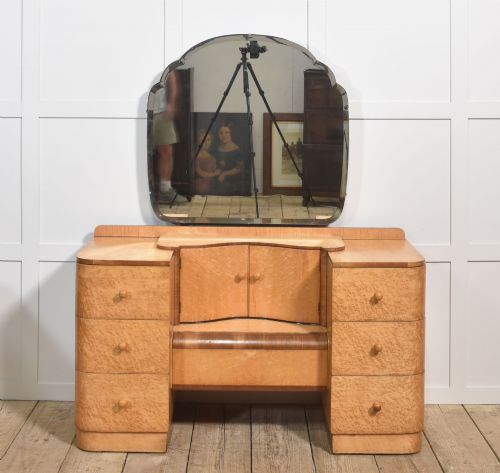
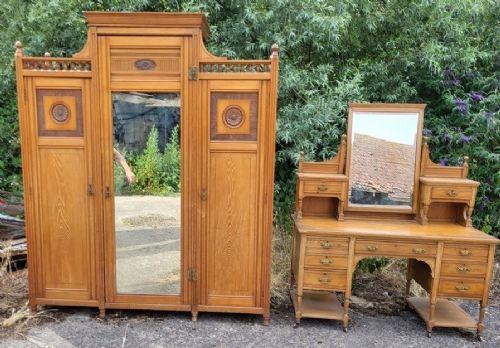
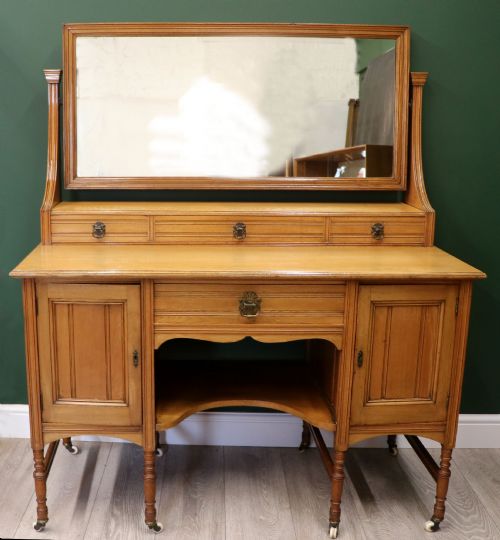
When you search for a mirrored pedestal table, you encounter dressing tables, shaving stands, and occasional tables that integrate glass surfaces with central supports. These items originate predominantly from the Victorian and Art Deco eras, spanning the nineteenth and twentieth centuries.
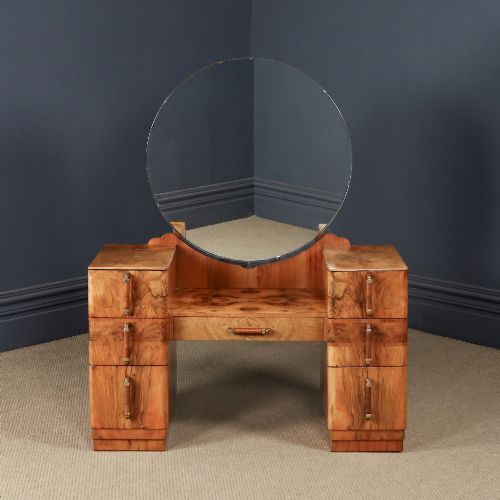
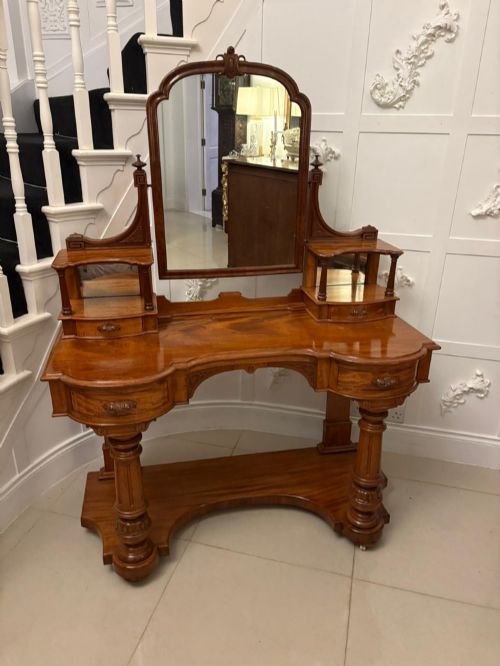
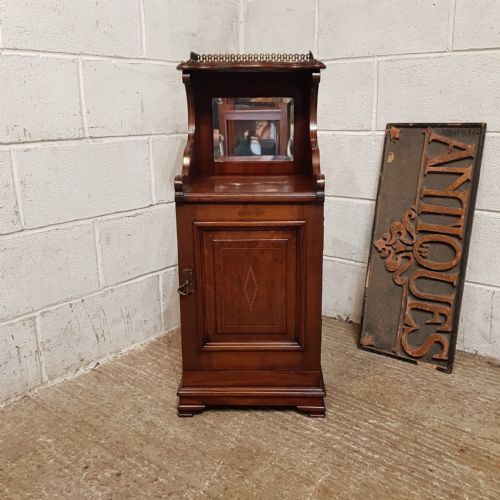
The version you are most likely to meet on this page is a Victorian walnut or mahogany dressing table or a nineteen-thirties Art Deco piece featuring mirror glass tops and pedestal bases. Pieces range from compact shaving stands to large kneehole dressing chests with adjustable mirrors.
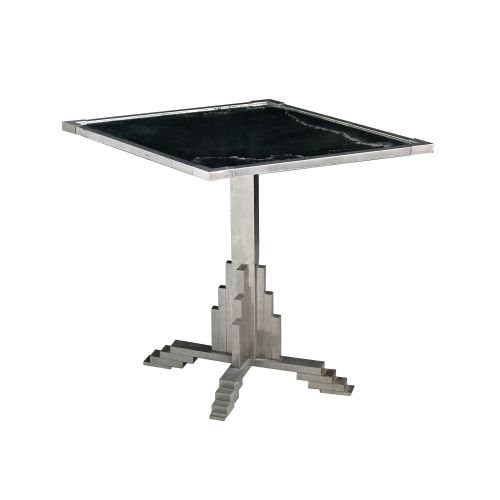
The selection includes occasional and side tables with mirrored surfaces alongside traditional pedestal dressing tables. Makers and designers utilised diverse timbers including mahogany, satinwood, oak, and burr walnut to construct these stable, pedestal-mounted forms.
How they were made
Makers constructed the foundations of these tables using solid hardwoods such as mahogany, oak, walnut, and maple, frequently applying figured and burr walnut veneers or satinwood inlays to the exterior surfaces. Brass fittings, ormolu, and bronze supplied structural adjustments and decorative accents on mirrors and stands.
Mirror glass was set into adjustable frames on shaving stands and dressing tables or laid flat into the tops of Art Deco occasional tables. Cabinetmakers combined traditional joinery with marquetry, stencilled decoration, and carved details on Victorian and Edwardian frames.
Several gentleman's shaving stands retain their original tilting mechanisms for early morning adjustments.
What varies in quality
The distinction between tiers rests upon the selection of timber veneers, such as finely figured burr walnut or satinwood, matched against plain secondary woods. Superior examples demonstrate precision in the inlay work, marquetry, and the integration of bevelled mirror glass.
Construction methods determine durability, with heavy carved mahogany and solid oak framing outlasting lighter builds. Original fittings, such as brass adjustment mechanisms on shaving stands and intact stencilled decoration, elevate the execution of the piece.
Shapland and Petter·Harry and Lou Epstein·Edwards and Roberts·James Shoolbred
The Mirrored Pedestal Table Glossary
- Pedestal table
- A table supported by a single central column or pillar rising from a base. This form provides stability while maximising legroom.
- Shaving stand
- A specialised piece featuring an adjustable mirror and a small table surface designed for grooming. These often stand on tripod bases or small cabinets.
- Kneehole dressing chest
- A dressing table with a central recess for the knees flanked by pedestals of small drawers. This form became popular during the Victorian period.
- Marquetry
- Decorative veneer patterns formed by fitting together small pieces of various woods, metals, or shells. Craftsmen applied this technique to surface panels.
- Ormolu
- Gilded bronze or brass applied to furniture mounts and mirror frames. French Empire examples frequently utilise this decorative metalwork.
Mirrored Pedestal Table: Frequently Asked Questions
How do I clean a mirrored pedestal table?
Wipe the wooden pedestal and frame with a dry cloth, avoiding harsh chemical polishes that might damage antique finishes.
Clean the mirror glass gently using a mild glass cleaner applied to a cloth rather than sprayed directly onto the surface.
Can I use a shaving stand as a side table?
Shaving stands offer small surface areas and adjustable mirrors, making them suitable for placement in hallways or bathrooms as compact display ledges.
Their narrow footprints and tripod or pedestal bases allow them to fit into corners where standard tables cannot go.
What is the difference between Art Deco and Victorian pieces?
Victorian pieces typically display rich carved mahogany, burr walnut, or marquetry with traditional joinery and ornate decorative flourishes.
Art Deco items favour geometric lines, maple or walnut veneers, and smooth mirrored surfaces representative of nineteen-thirties modernist design.
Where should I place a mirrored top table?
Position these tables near light sources to allow the mirrored glass to brighten smaller rooms and reflect surrounding interior details.
Ensure they rest on level flooring so that adjustable mirrors and pedestal structures remain stable during daily use.