




1930s Mirrored Tables
These 1930s mirrored tables bring striking geometric lines and reflective surfaces to an interior, offering both practical utility and distinct period charm.
1930s Mirrored Tables
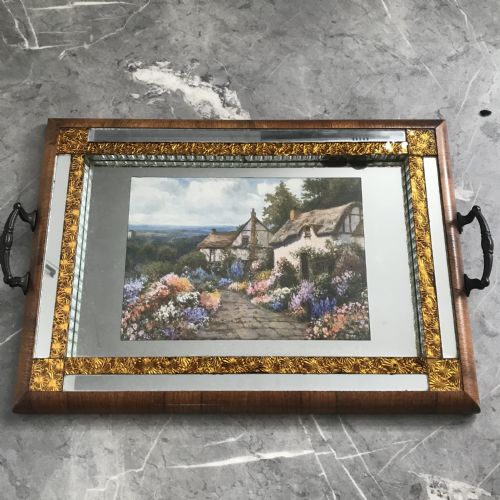
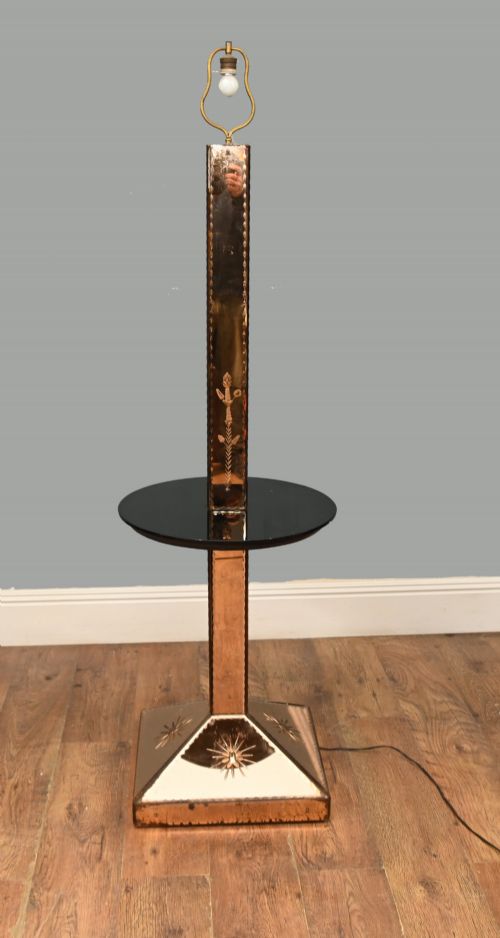
When you search for 1930s mirrored tables, you encounter pieces designed primarily during the Art Deco era that utilise glass tops to bounce light around a room. These items often take the form of side tables or occasional pieces intended for domestic sitting rooms and bedrooms.
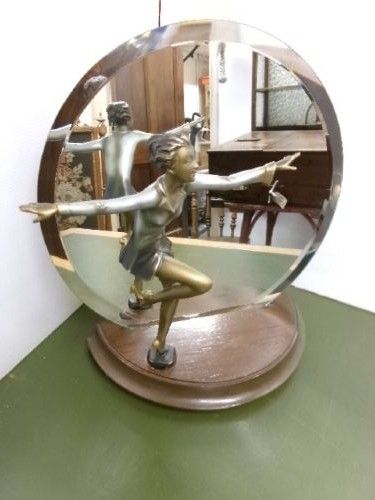
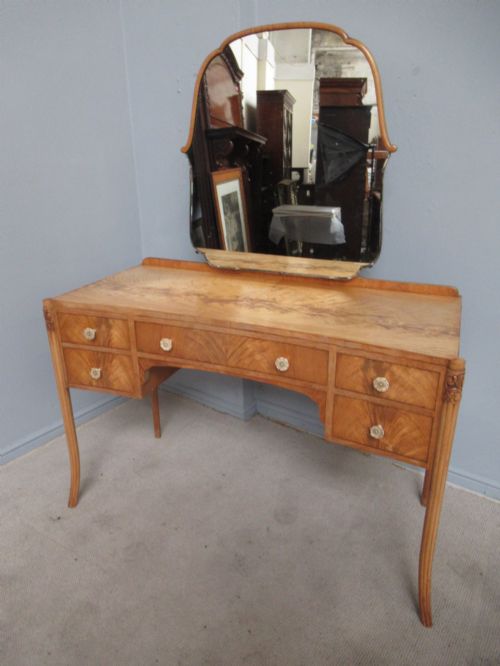
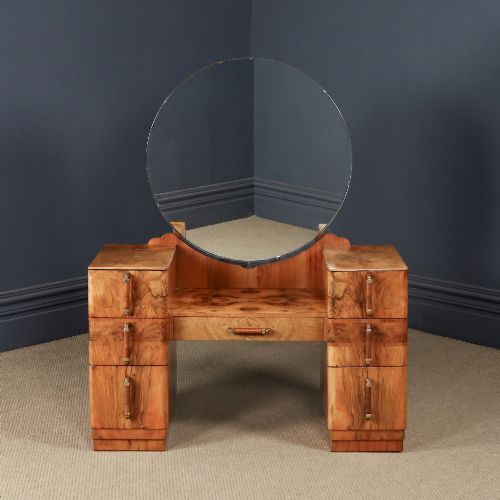
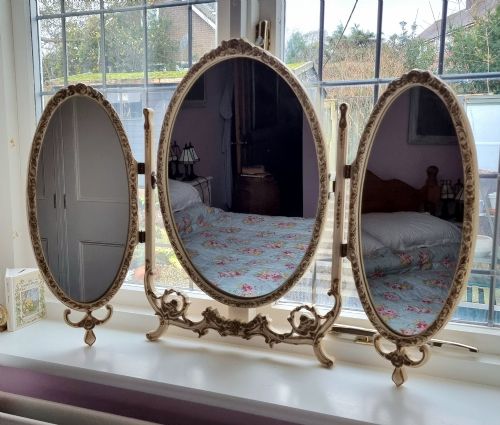
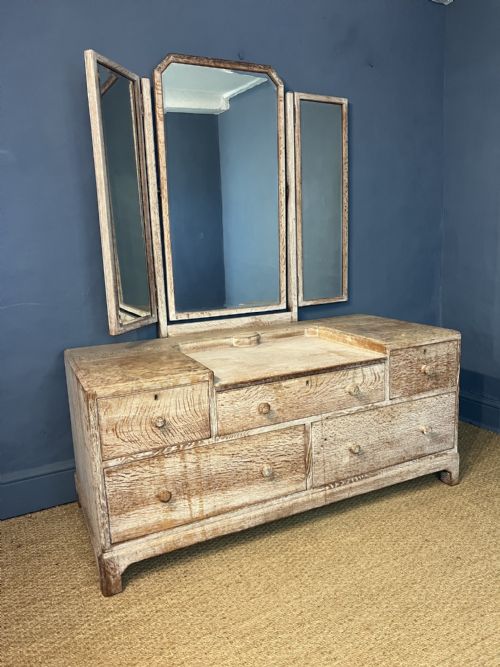
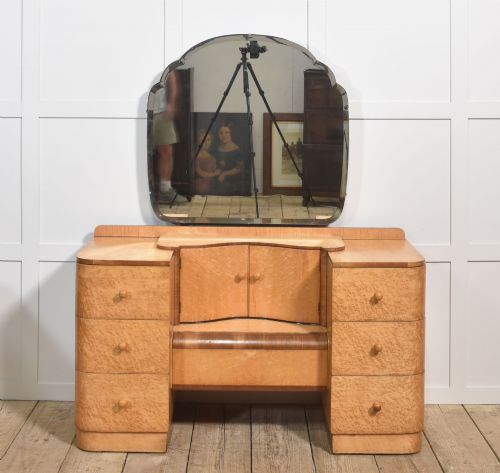
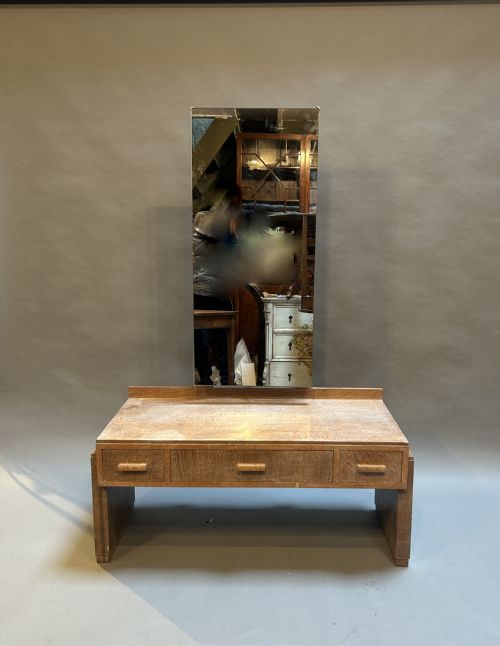
The pieces appearing in this category combine reflective surfaces with robust wooden frames or metal structures. Alongside dedicated side tables, related dressing tables and vanity pieces incorporate similar mirrored elements within their design vocabulary.
Originating predominantly from the interwar period, these tables showcase the transition towards modernist shapes and functional elegance. Buyers select them to introduce a clean, reflective focal point that complements both period and contemporary interior schemes.
How they were made
The construction of these pieces relies on combining sheet glass with structural timber frameworks such as walnut, oak, and maple. Artisans often applied fine wood veneers to core structures, setting mirrored glass panels directly into the table tops.
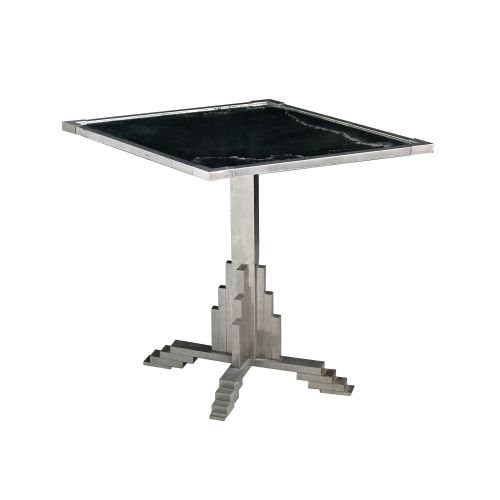
Metal components, including chrome and brass, frequently provide structural support or decorative edging. These materials are joined using period cabinetmaking techniques to ensure stability while maintaining the sleek profiles characteristic of the style.
Some tables arrived with matching mechanical clocks that ticked quietly away while reflecting the evening candlelight.
What varies in quality
The distinction between standard examples and superior pieces rests on the choice of underlying timber veneers and the precision of the glass bevelling. Tables featuring figured walnut or maple display greater decorative ambition than simpler oak or painted versions.
Attention to detail in the metal mounts, chrome fittings, and the integrity of the mirrored surface dictates the overall standard. Superior items maintain crisp geometric alignment and robust joinery that withstands daily use.
Heals·Maurice Adams·Harry and Lou Epstein·Smiths Clock Company·Gaylayde B Cohen And Sons
The 1930s Mirrored Tables Glossary
- Art Deco
- A design style characterised by sleek lines, geometric shapes, and modern materials popular during the interwar period. It influences the overall silhouette of these tables.
- Veneer
- A thin layer of superior wood applied to a base material to provide an attractive exterior finish. Burr walnut veneers are frequently seen on these pieces.
- Chrome
- A hard, corrosion-resistant metallic plating applied to steel or brass components. It provides a bright, reflective finish typical of twentieth-century furniture.
- Mirror Glass
- Flat glass coated on the rear surface with a reflective metallic layer. It forms the primary surface material for the tops of these tables.
- Pedestal
- A structural support column beneath a table top. Many vanity and dressing variants utilise this configuration for stability.
1930s Mirrored Tables: Frequently Asked Questions
What are 1930s mirrored tables?
These items are occasional and side tables featuring reflective glass tops framed in wood or metal, produced during the interwar period.
They represent the clean lines and forward-looking aesthetic of the twentieth century, combining utility with decorative reflection.
How were 1930s mirrored tables used?
Original owners placed them in sitting rooms and bedrooms to hold drinks, lamps, or personal items while brightening the surrounding space.
The reflective surfaces were designed to bounce natural and artificial light around smaller domestic interiors.
How do I live with 1930s mirrored tables?
Integrate them into modern or traditional rooms as accent pieces that break up heavy timber furniture.
Care for the glass tops with gentle cleaners and avoid abrasive materials to preserve the reflective silvering beneath.
How do I tell periods apart?
Look for the transition from heavier Edwardian oak forms to the streamlined chrome and figured walnut typical of the nineteen-thirties.
Decoration shifts from ornate revival styles to geometric patterns and unadorned reflective surfaces.