

Art Deco Enamel
Art deco enamel pieces combine geometric precision with vitreous colour, offering a striking addition to any dressing table or display cabinet.
Art Deco Enamel
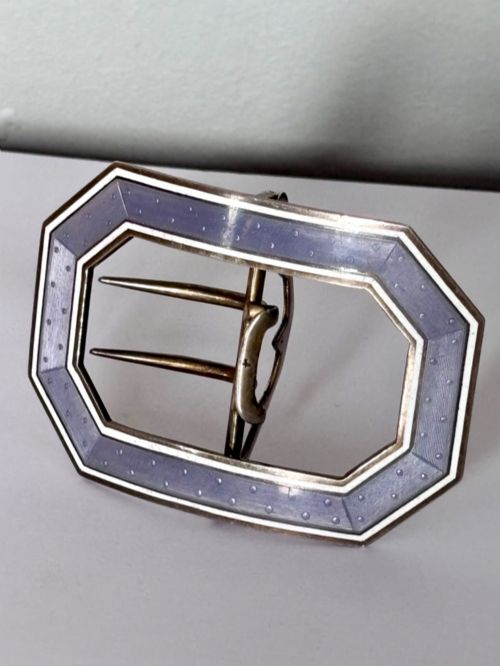
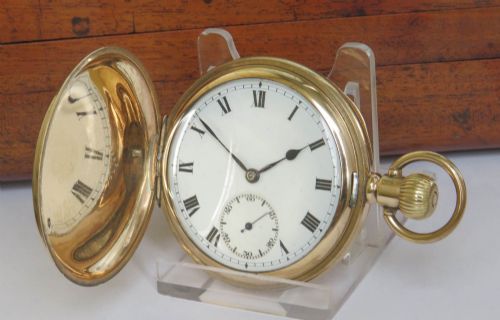
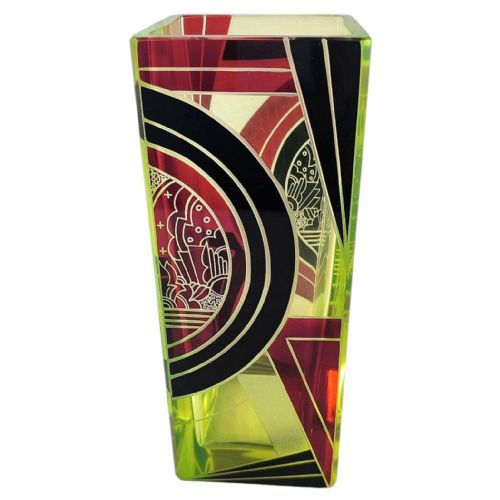
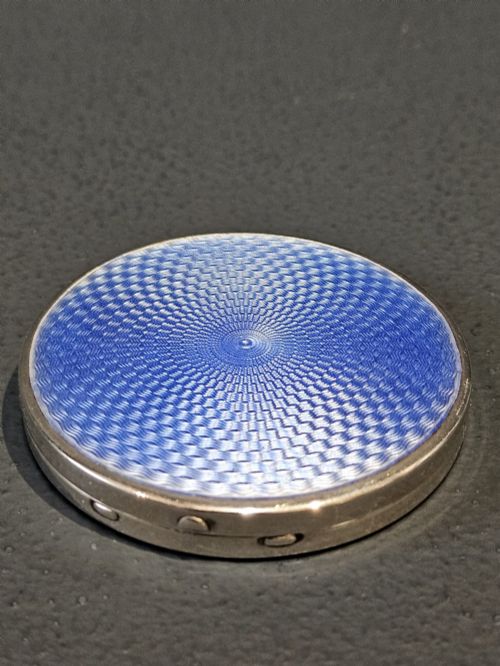
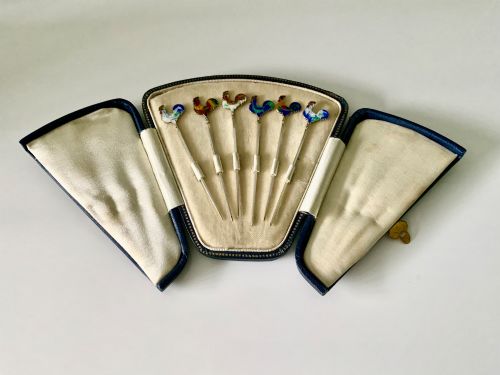
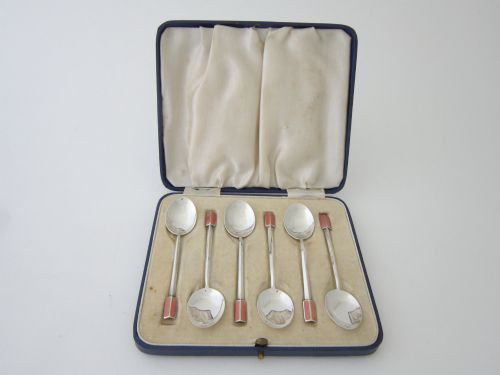
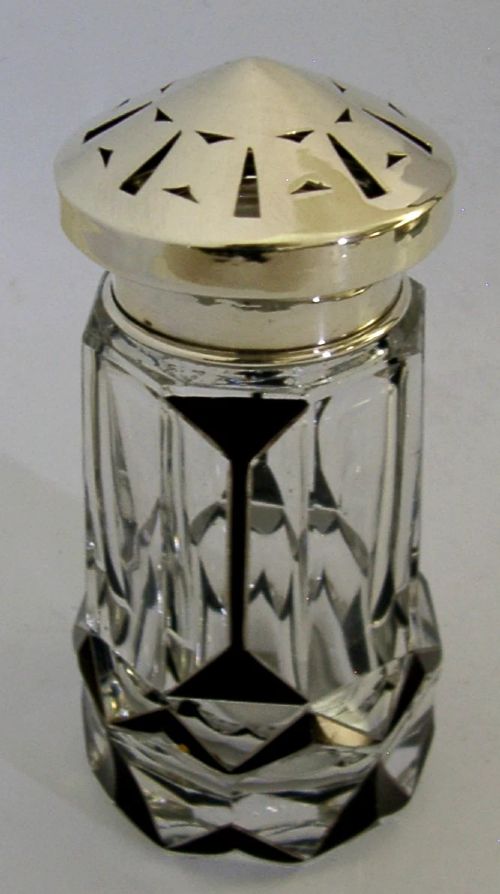
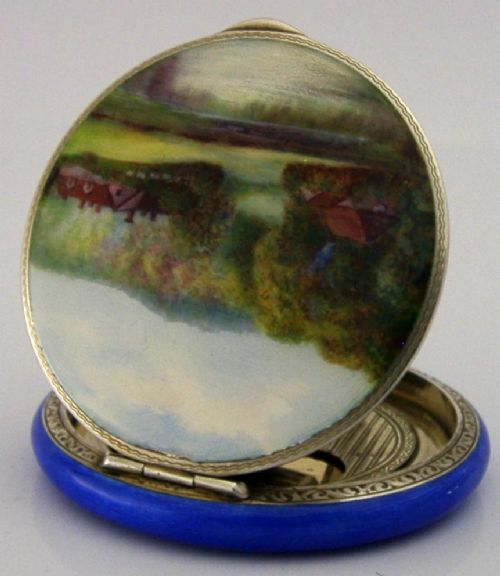
When searching for art deco enamel, buyers encounter items ranging from sterling silver vanity jars and guilloche compacts to cocktail sticks and geometric glass vases. The most common survivals on this page date from the nineteen-thirties, manifesting in functional accessories and decorative tableware enriched with coloured vitreous layers.
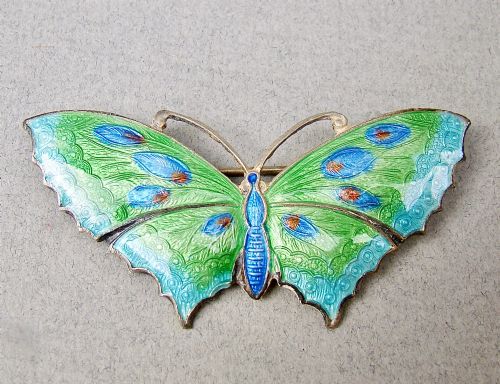
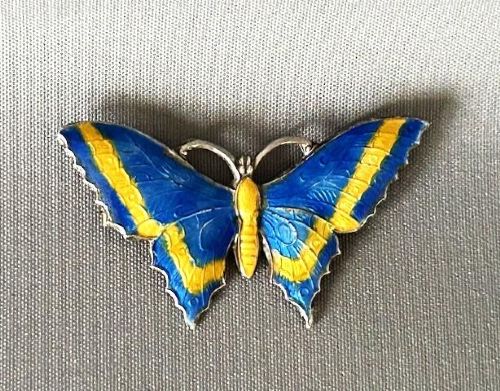
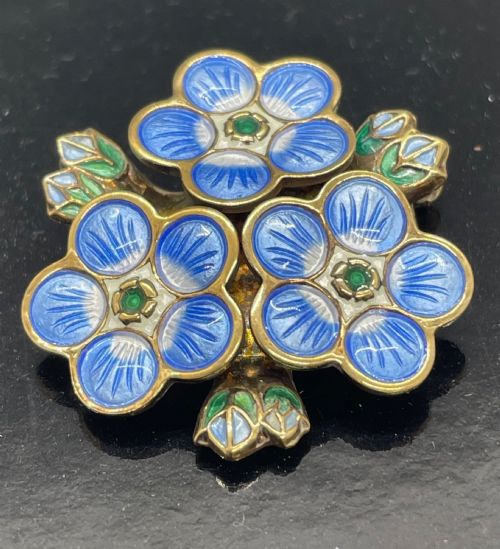
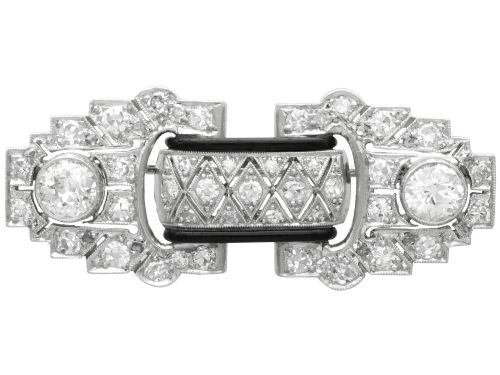
The selection encompasses continental silver brooches, cigarette cases, and desk accessories created during the height of the modernist movement. Items span personal adornment and interior items, reflecting the period's appetite for clean lines and vibrant surface decoration.
How they were made
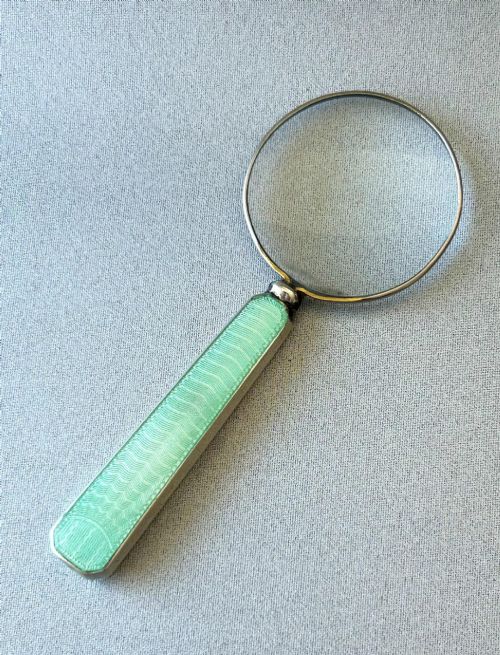
Silversmiths formed the foundational structures from sterling silver, platinum, or gilt metal, often applying engine-turned guilloche patterns beneath translucent enamel. Glassmakers moulded perfume bottles and vases with geometric motifs before adding surface enamel details.
Craftsmen fused powdered glass to metal substrates through high-temperature kilning to produce durable, glossy finishes. Hand-painting frequently embellished floral and figurative subjects across compacts and cigarette cases.
Art Deco Enamel Retail Price Guide 2026
Typical asking prices for art deco enamel among the pieces listed under this phrase on Sellingantiques today, from the lower quarter to the upper quarter. They describe what is for sale here now, not the wider market.
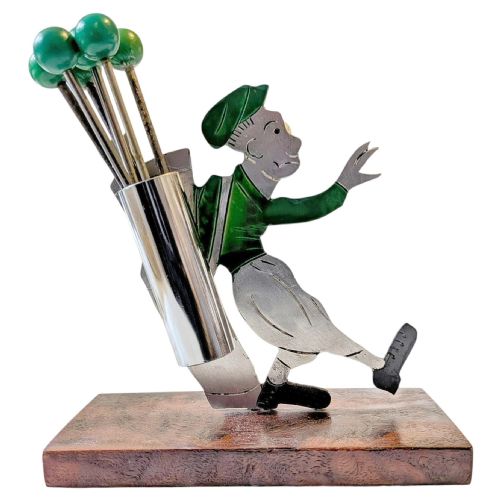
Several cocktail stick sets feature humorous ceramic golfers complete with caddies, proving that interwar hosts enjoyed a lighthearted touch with their drinks.
What varies in quality
The sophistication of the guilloche engraving beneath the enamel dictates visual depth, where finer machine-turned patterns catch the light more successfully than plain surfaces. The crispness of hand-painted details and the weight of the underlying sterling silver or chrome framework establish the tier of the piece.
Design attribution to known workshops or specific continental centres elevates the standing of an item. The preservation of the vitreous surface without disruption defines the integrity of surviving examples.
David Andersen·Henry Clifford Davis·The Barker Brothers·Henry Williamson·Karl Palda·Henry Perkins·Jakob Bengel
The Art Deco Enamel Glossary
- Guilloche enamel
- A decorative technique where a metal surface is engraved with intricate geometric patterns by a machine before translucent enamel is applied over the top. This allows the underlying pattern to shimmer through the coloured glass layer.
- Vitreous enamel
- Glass fused to a metal substrate through intense heat firing. It provides a hard, glossy, and chemically resistant coating used extensively on twentieth-century vanity items.
- Sterling silver
- An alloy consisting of ninety-two point five percent silver and seven point five percent other metals, typically copper. It forms the primary structural metal for high-grade compacts and cigarette cases on this page.
- Silver gilt
- Silver that has been coated with a thin layer of gold on its surface. This treatment offers the visual warmth of gold while maintaining a silver base.
Art Deco Enamel: Frequently Asked Questions
How do I clean my enamel items?
Wash silver and enamel pieces gently in warm soapy water using a soft cloth. Avoid harsh chemical dips that can damage the vitreous coating.
Dry the item thoroughly immediately after washing to protect the underlying metal mounts from tarnishing or moisture ingress.
Were these pieces used daily?
Many items served as practical accessories for the dressing table or smoking room. Compacts, cigarette cases, and vanity jars were everyday personal items for the twentieth-century owner.
Other objects, such as cocktail sticks and decorative vases, appeared primarily during social gatherings and home entertaining.
How do I date an enamel piece?
Examine the hallmarks stamped on the silver components for assay office marks and date letters. British pieces often carry clear civic marks that pinpoint the exact year of manufacture.
Stylistic markers, such as stepped geometric motifs and specific colour palettes, help attribute unmarked continental or glass pieces to the interwar decades.
Is guilloche different from standard enamel?
Guilloche requires mechanical engraving on the metal base before the coloured glass is fused. This creates a shimmering, patterned texture beneath the translucent finish.
Standard enamel simply covers a smooth or flat metal surface without the underlying machine-turned engraving.