

Art Deco Compact
An art deco compact brings the geometry and bright surface of the interwar years into the palm of the hand.
The Form and Period of the Pieces
An art deco compact is a small lidded case designed to hold powder, mirrors, and sometimes rouge or lipstick. These objects date primarily from the nineteen twenties and nineteen thirties, capturing the social habits of the period.
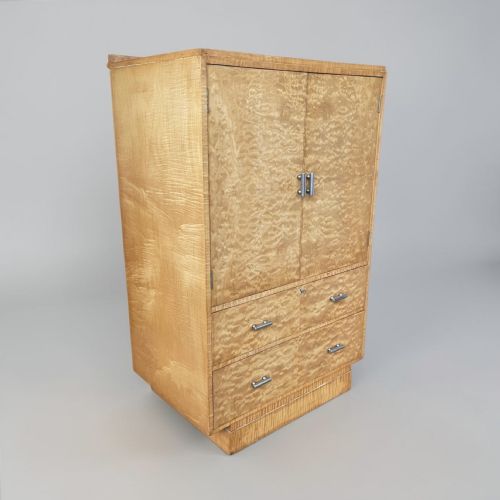
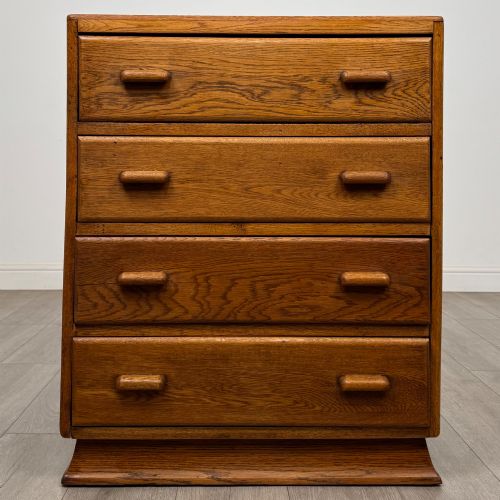
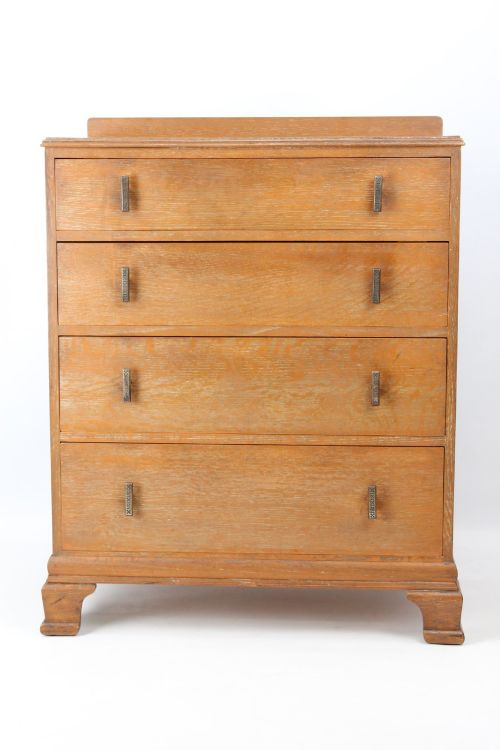
The selection here encompasses pocket vanity items alongside larger wardrobe furniture sharing the same name. Handheld powder compacts dominate the smaller items, often designated as ladies powder compacts or vanity cases.
Makers produced these pieces in forms ranging from simple metal cases to elaborate combinations including cigarette cases and integrated lipsticks. The overarching style adheres to the clean lines and geometric order of the interwar decades.
Materials and Construction
Metals form the structural basis for these items, with sterling silver, silver gilt, brass, and chrome providing durable frames. Some pieces incorporate solid gold or diamond settings for high-end commissions.
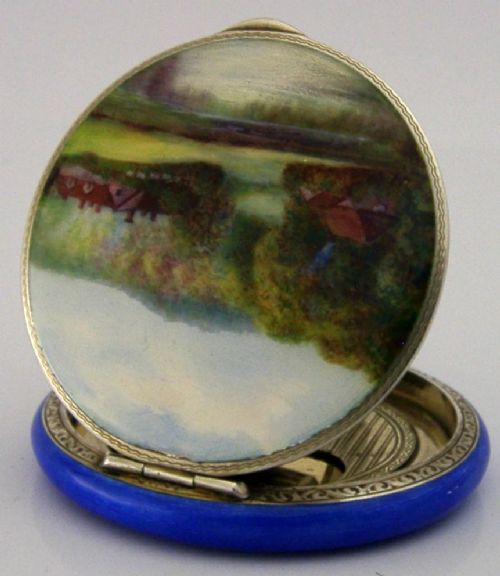
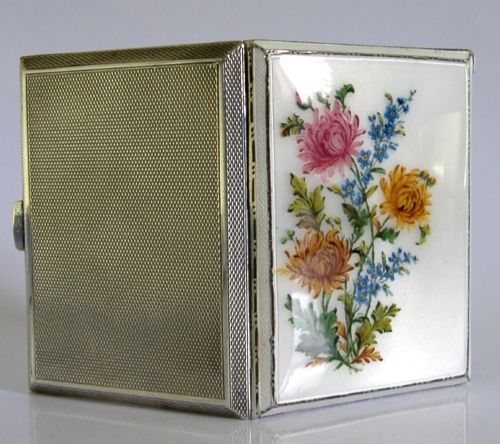
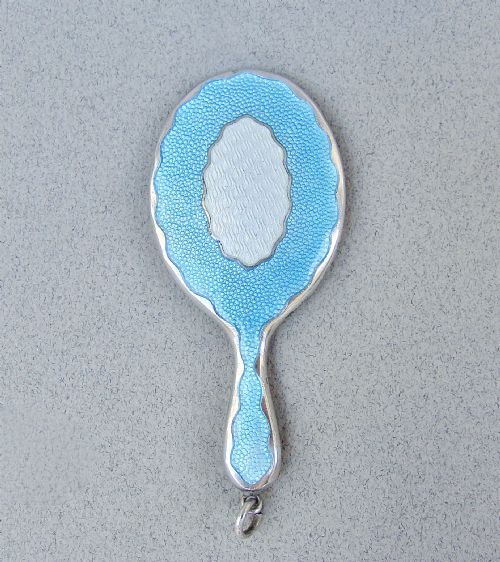
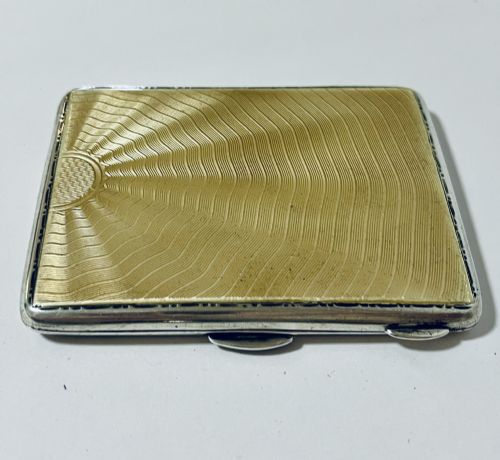
Surface decoration relies heavily on guilloche enamel, which involves engine-turning a metallic pattern beneath translucent coloured glass layers. Bakelite, glass, fabric, and marcasite provide further textural contrast.
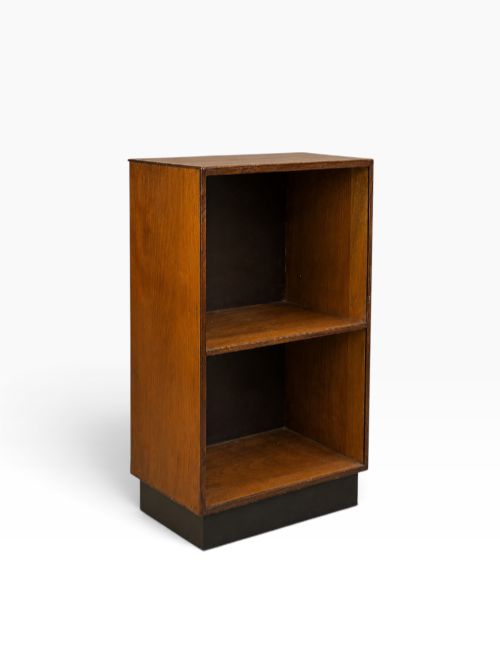
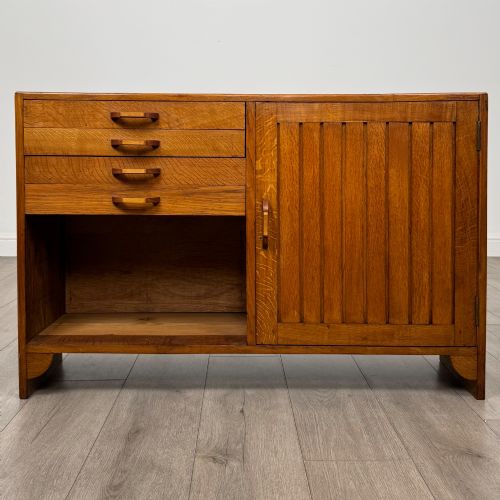
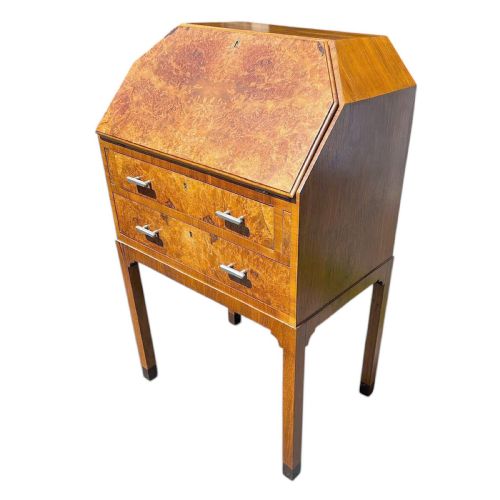
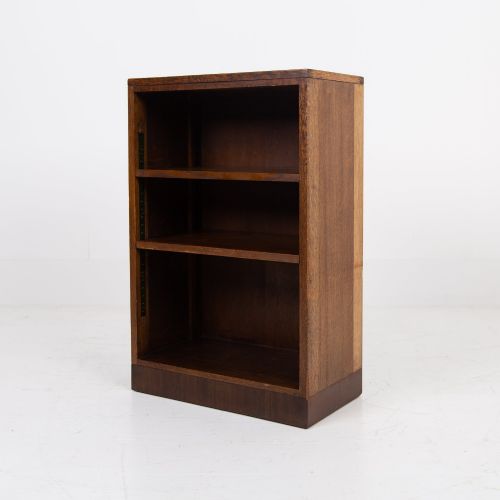
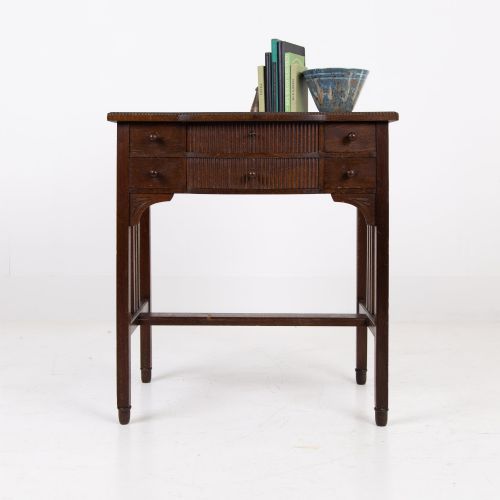
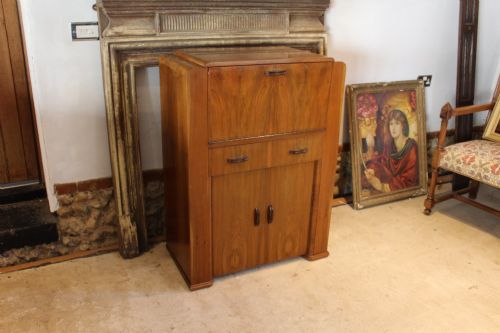
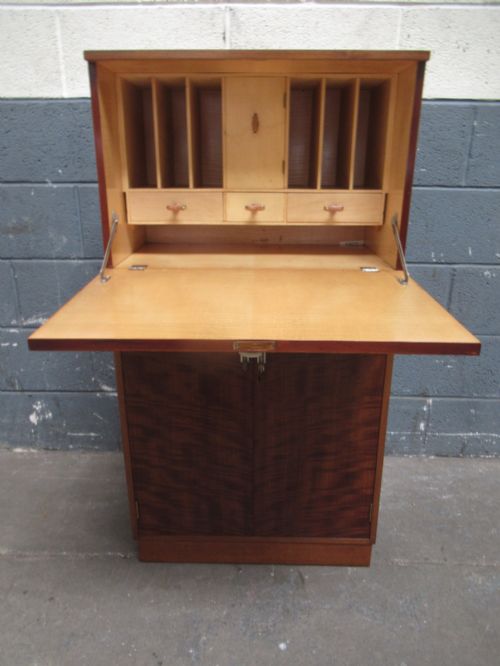
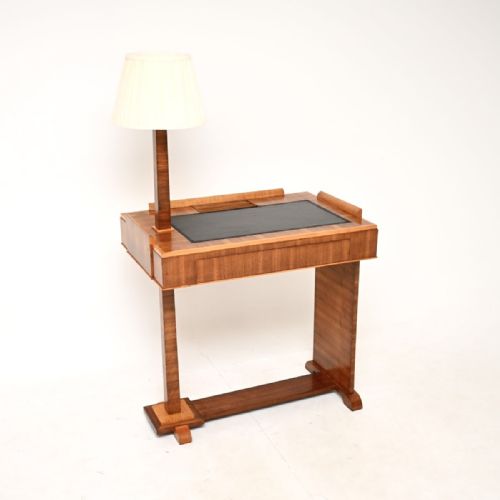
Woodwork appears in the larger furniture items sharing the search category, constructed from burr walnut, figured walnut, and birds eye maple. These larger pieces utilise deep door configurations and fitted internal compartments.
Retail Price Guide 2026
Typical UK retail prices for art deco compact, calculated from the Sellingantiques database of over a million retail prices indexed since 2003. This retail price guide relies exclusively on Sellingantiques data; no external sources or auction records are used, so the figures do not describe the wider market.
Several powder compacts preserve their original unused mirror puffs, untouched by makeup for nearly a century.
Distinctions in Quality
The standard of an art deco compact rests upon the precision of its engine-turning and the clarity of its enamel work. Finer examples display intricate guilloche patterns beneath unbroken layers of pastel or dark enamel without chipping.
The choice of primary material dictates the upper tier of production, moving from base brass and chrome up to sterling silver and solid gold. Associated maker marks from established silversmiths further elevate the standing of a piece.
Integration of secondary functions, such as attached lipstick holders, internal mirrors, or marcasite borders, indicates higher ambition in design. Execution in luxury materials like diamond settings marks the apex of the category.
Henry Perkins & Sons·Crisford & Norris·Deakin & Francis Ltd·Joseph Gloster·Cohen & Charles·Turner & Simpson·Gwenda·Asprey·Searle & Co
The Art Deco Compact Glossary
- Guilloche enamel
- A decorative technique where a mechanical lathe etches a precise geometric pattern into metal before translucent enamel is applied over the top. This creates a shimmering, light-reflective surface common in interwar vanity cases.
- Engine-turned
- A method of mechanical engraving that cuts intricate geometric designs into metal surfaces. It provides the textured base beneath coloured enamels.
- Marcasite
- Small faceted crystals of pyrite set into silver mounts to resemble sparkling gemstones. These stones add a glittering border to many metal accessories.
- Compactum
- A fitted wardrobe or multi-compartment piece designed for efficient clothing storage. The term shares a root with handheld cosmetic cases due to the emphasis on organised interior space.
- Silver gilt
- Silver that has been coated with a thin layer of gold on its surface. This treatment provides a warm metallic tone while utilising a silver base.
Frequently Asked Questions
What is an art deco compact?
An art deco compact is a portable cosmetic case manufactured during the interwar period, typically housing a mirror and powder sifter.
These pieces reflect the design sensibilities of the nineteen twenties and thirties through geometric motifs and metallic finishes.
How were these compacts used?
Owners carried them in handbags for quick powder and lipstick applications during social outings. Some integrated cigarette cases to serve dual purposes for the modern woman.
Inside the hinged lid, a mirror allowed for adjustments while the powder compartment held loose or pressed cosmetic dust.
How do I date an art deco compact?
Dating relies heavily on hallmarks stamped into the metal frames, which indicate the assay office and year of production. Stylistic cues such as vibrant guilloche enamel or Bakelite components also point directly to the interwar decades.
Cabinet records and maker marks help narrow the timeline further for silver and gold items.
What materials are most common?
Sterling silver, brass, and chrome form the most frequent metallic structures for handheld vanity items. Coloured enamel, glass, and Bakelite provide the vibrant surface colours characteristic of the period.
Larger furniture items in the same category utilise walnut and maple veneers.